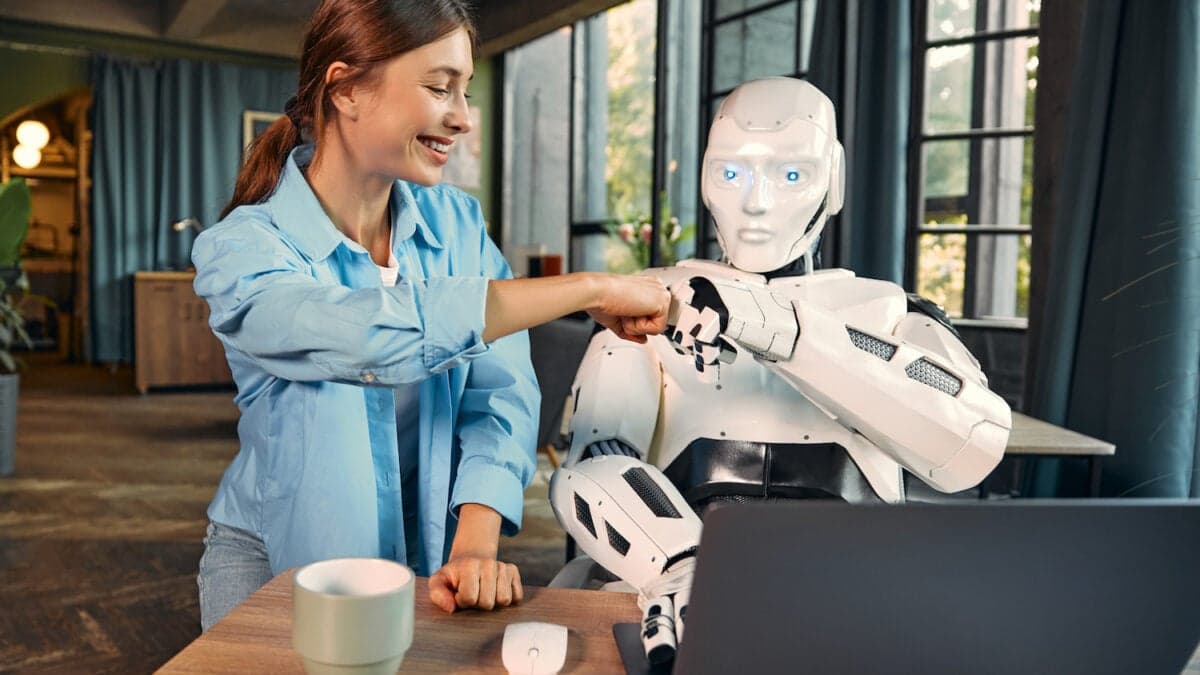
More than half of U.S. teenagers are using AI chatbots for homework, raising concerns about academic integrity and preparedness . A recent Pew Research Center study reveals that (nytimes.com)54% of teens aged 13-17 use AI for school-related tasks, including research and math problem-solving. This widespread adoption underscores the need for educators and policymakers to address the implications of AI in education, balancing its potential benefits with the risks of misuse and over-reliance. The trend also highlights disparities, with minority and low-income students more likely to depend on AI for completing assignments.
A recent Pew Research Center study indicates that AI has a significant presence in students' academic lives. 54% of teenagers aged 13 to 17 report using chatbots like ChatGPT or Microsoft Copilot for school-related tasks. This includes using AI for research, finding answers to math problems, and general homework assistance. The study highlights that a substantial portion of students are incorporating AI into their learning processes.
The Pew study reveals disparities in AI usage among different student demographics. 20% of students from households earning less than $30,000 per year use AI for "all or most" of their homework. This contrasts with 7% of students from households earning over $75,000 per year . Black and Hispanic teens are also 12% more likely than their white counterparts to use AI chatbots for the majority of their schoolwork. This suggests that students from lower-income backgrounds may be more reliant on AI tools to complete their assignments.
The increasing use of AI in education raises concerns about academic integrity and the potential for misuse. According to a Pew study, many teens believe that cheating with AI has become a regular feature of student life. This perception highlights the need for guidelines and safeguards to ensure responsible AI use in schools. Educators and policymakers are grappling with how to address the ethical implications of AI in the classroom while leveraging its potential benefits.
There are concerns that over-reliance on AI may hinder students' critical thinking and problem-solving skills. If students depend on AI to complete assignments without actively engaging with the material, they may not develop a deep understanding of the subject matter. This could negatively impact their academic performance and preparedness for higher education or the job market. It's crucial to strike a balance between using AI as a learning tool and ensuring students develop essential skills independently.
Schools and educational institutions are beginning to address the challenges and opportunities presented by AI. The New York City Department of Education, for example, is planning to release new guidelines for AI use in public school classrooms. These guidelines aim to establish safeguards while exploring ways to use AI productively in education. Education experts are also calling for guidance and guardrails to ensure AI is used responsibly and ethically in schools.
Over half of U.S. teenagers are using AI chatbots for homework. A recent Pew Research Center study revealed that 54% of teens aged 13-17 use AI for school-related tasks, such as research and math problem-solving.
Yes, minority and low-income students are more likely to rely on AI for homework assistance. For example, 20% of students from households earning less than $30,000 per year use AI for 'all or most' of their homework, compared to only 7% of students from households earning over $75,000 per year.
The increasing use of AI in education raises concerns about academic integrity and the potential for misuse. Many teens believe that cheating with AI has become a regular feature of student life, and there are worries that over-reliance on AI may hinder students' critical thinking and problem-solving skills.
Schools and educational institutions are beginning to address the challenges and opportunities presented by AI. For example, the New York City Department of Education is planning to release new guidelines for AI use in public school classrooms to establish safeguards while exploring productive uses of AI in education.
Approximately 10% of teenagers use AI for 'all or most' of their homework. Black and Hispanic teens are also 12% more likely than their white counterparts to use AI chatbots for the majority of their schoolwork.
More insights on trending topics and technology