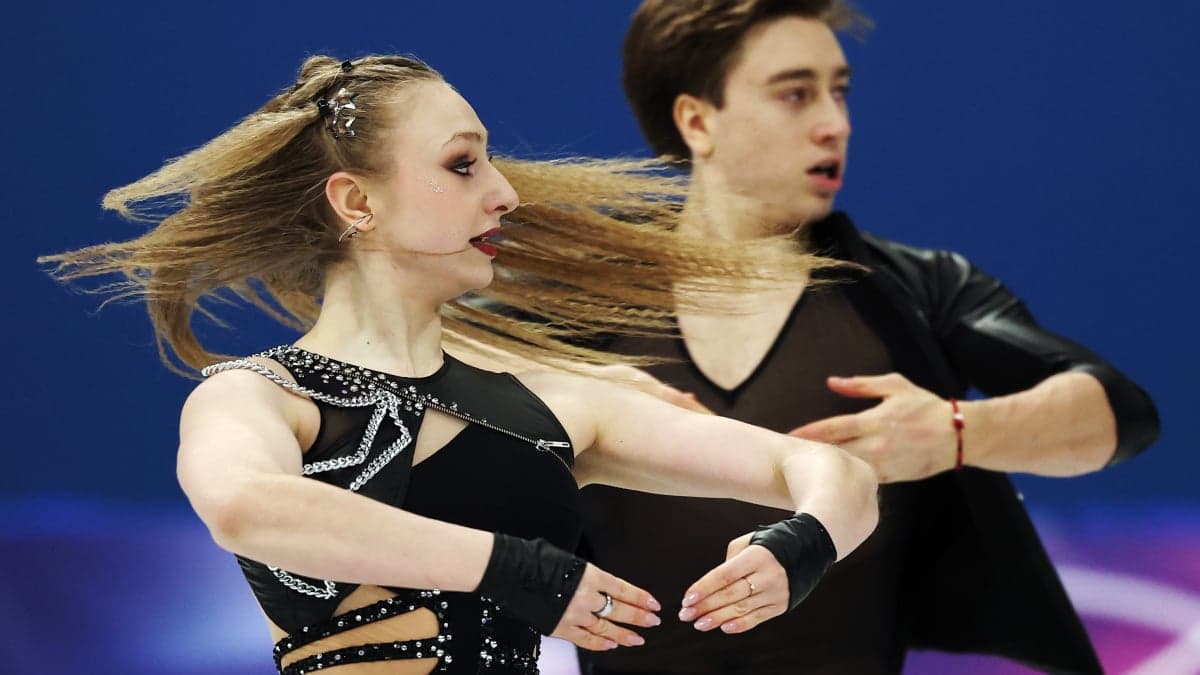
AI's creep into creative fields has reached a new, and perhaps inevitable, stage: the Winter Olympics. While the use of AI in judging or data analysis might be expected, the Czech ice dancing team's decision to use AI-generated music for their routine highlights both the potential and the pitfalls of AI in artistic performance. It raises questions about originality, artistic integrity, and the very definition of creativity in a world increasingly influenced by algorithms.
AI on Ice: Olympic Controversy
The 2026 Winter Olympics in Milan witnessed a unique controversy: the use of AI-generated music in an ice dancing routine. Czech pair Katerina Mrazkova and Daniel Mrazek selected AI-composed tracks for their performance, a decision that ignited debate about the intersection of technology and art.The Sound of Similarity
The initial AI-generated song chosen by Mrazkova and Mrazek drew immediate comparisons to the 1998 New Radicals hit "You Get What You Give." While they switched to another AI-generated song for the Olympics, it still faced criticism. This new track seemed to mirror Bon Jovi's "Raise Your Hands," raising concerns about originality and potential copyright issues.Humanity and Artistry
The second half of their routine featured AC/DC's "Thunderstruck," a sharp contrast to the AI-generated pieces. Viewers online expressed disapproval, particularly given ice dancing's reputation as a sport emphasizing human artistry and expression. Many felt the use of AI diminished the performance's authenticity.Judged on Merit, Not Algorithm
Ultimately, the gamble on AI didn't pay off for the Czech duo. Their performance earned them a score of 72.09, which was not enough to secure a spot in the medal rankings. This result underscores the importance of performance quality and artistic merit, regardless of the tools used in the creative process.What's Next
- Debate on AI in Arts: Expect continued discussion within the International Skating Union (ISU) and other artistic organizations regarding the ethical and aesthetic implications of AI-generated content.
- Copyright Concerns: Legal challenges surrounding AI-generated music that closely resembles existing copyrighted works are likely to increase.
- Evolving Technology: Watch for advancements in AI music composition that could lead to more original and less derivative outputs.
Why It Matters
- Redefining Creativity: The incident forces a reevaluation of what constitutes "creative" work when algorithms are involved. Is it the AI, the user prompting the AI, or a combination of both?
- Impact on Artists: The increasing accessibility of AI tools could disrupt creative industries, potentially displacing human artists or altering their roles.
- Copyright Law: Current copyright laws are ill-equipped to deal with AI-generated content, creating legal gray areas and potential for infringement.
- Authenticity and Performance: The public reaction highlights the value placed on human artistry and emotional expression, suggesting that AI may not be able to fully replicate these qualities.
- The Future of Entertainment: This event is a microcosm of the broader trend of AI infiltrating entertainment, from music and visual arts to film and literature, raising fundamental questions about the future of these fields.
Source: Mashable
Disclosure: This article is for informational purposes only.