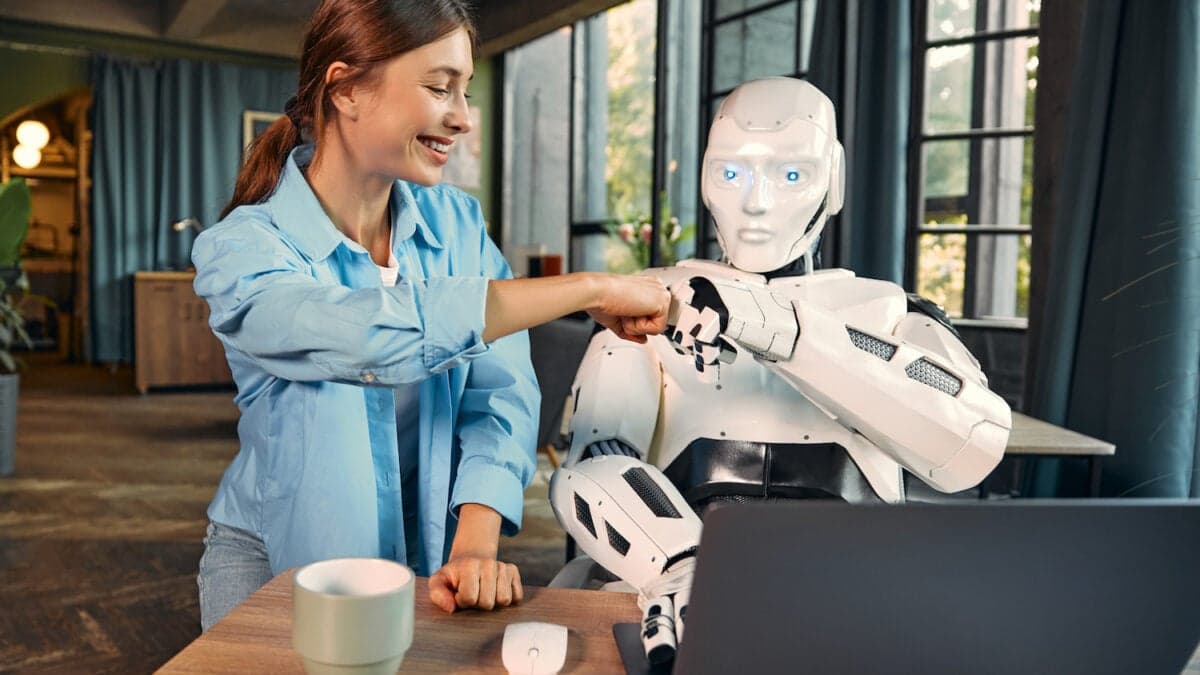
AI tools promise to liberate us from drudgery, but a recent study suggests a different outcome: we'll simply be given more drudgery. The question isn't whether AI can boost productivity, but whether companies will use that boost to benefit employees or extract more labor. The answer appears to be the latter, forcing a critical examination of how we integrate AI into the workplace.
The AI Productivity Paradox
The Harvard Business Review article investigates what happens when AI takes over tasks traditionally done by humans. Do employees get to relax? Learn new skills? Focus on higher-level thinking? The study reveals a less optimistic reality: AI often becomes a tool for squeezing more work out of the existing workforce.Instead of freeing employees to pursue creative endeavors, AI-driven efficiency translates into heightened expectations and an ever-increasing volume of tasks. This underscores a crucial point: technology itself is neutral; it's how we choose to deploy it that determines its impact.
More Work, Same Pay?
One of the core problems highlighted by the research is the lack of a corresponding decrease in workload or increase in compensation when AI takes over certain responsibilities. Employees find themselves juggling the same, or even greater, responsibilities alongside managing the AI systems meant to assist them.This creates a situation where the benefits of AI accrue primarily to the company in the form of increased output and reduced labor costs, while employees shoulder the burden of increased pressure and potential burnout.
The Human Cost of Automation
The researchers found that simply implementing AI without considering the human element can lead to unintended negative consequences. These include increased stress, reduced job satisfaction, and a feeling of being overwhelmed by the sheer volume of work.Successful AI integration requires careful planning, employee training, and a willingness to adjust workflows to ensure that the technology truly complements human capabilities. Ignoring these factors risks turning AI into a source of anxiety rather than empowerment.
The Need for Retraining
As AI automates routine tasks, employees need opportunities to learn new skills and adapt to changing job requirements. Companies must invest in retraining programs to equip their workforce with the knowledge and abilities necessary to thrive in an AI-driven environment.Failure to do so will lead to skill displacement, increased job insecurity, and a widening gap between those who can leverage AI and those who are displaced by it. This is not just a workforce issue; it’s a societal challenge demanding proactive solutions.
What's Next
- Future research should explore best practices for AI integration that prioritize employee well-being and foster a more equitable distribution of the benefits of automation.
- Expect to see more discussions about the need for new labor laws and regulations that protect workers in an increasingly AI-driven economy.
- Pay close attention to companies that are experimenting with alternative AI implementation strategies, such as shorter work weeks or profit-sharing models.
Why It Matters
- This study serves as a warning against blindly embracing AI without considering its potential impact on human workers. It highlights the importance of ethical considerations in technology adoption.
- The findings underscore the need for a more human-centered approach to AI implementation, one that prioritizes employee well-being and skill development.
- The long-term success of AI hinges on our ability to harness its power for good, creating a future where technology empowers individuals rather than exploiting them.
- The study prompts a crucial conversation about the future of work and the role of AI in shaping a more just and equitable society. It calls for a critical evaluation of how we measure success in an age of automation.
Source: The Register
Disclosure: This article is for informational purposes only.