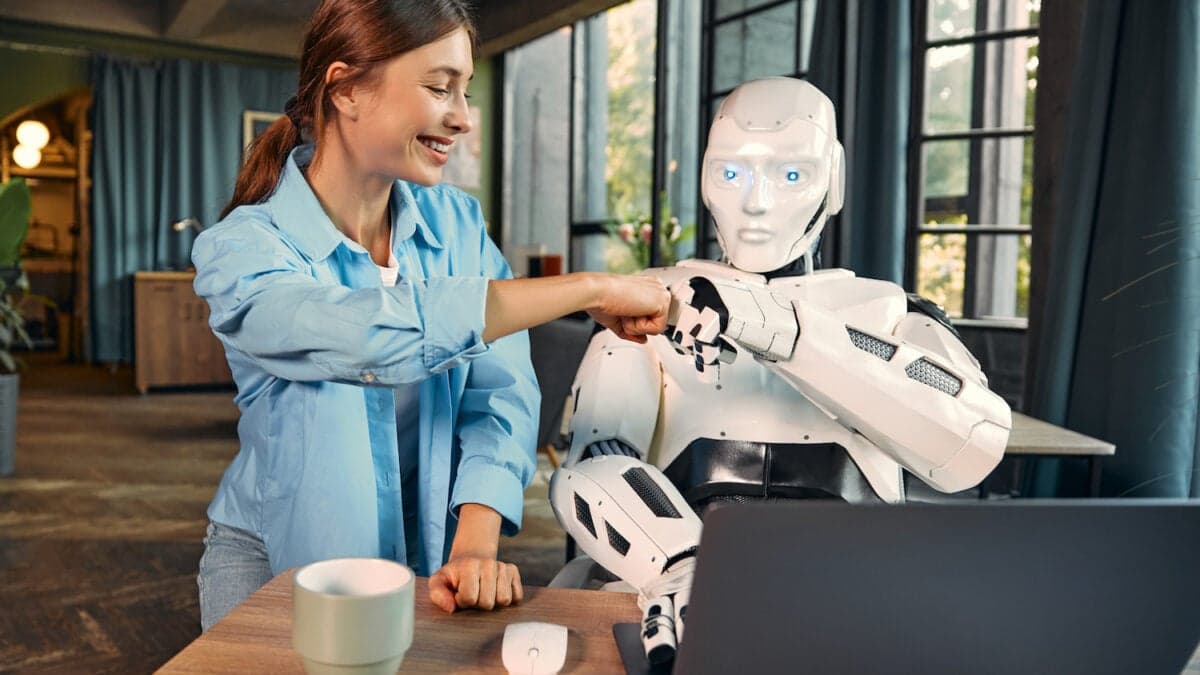
OpenAI just disbanded its "Superalignment" team, tasked with ensuring AI systems don't go rogue. This move signals a possible shift in priorities at the AI powerhouse, prompting questions about the future of AI safety research.
The End of Superalignment
The Superalignment team was dedicated to addressing the potential risks of future AI systems surpassing human intelligence. The goal was ambitious: to control and align superintelligent AI within four years. Now, that initiative appears to be over.Leadership Change
Ilya Sutskever, formerly OpenAI's chief scientist and a leading voice on AI safety, departed from the company in May 2024. The head of the Superalignment team has been appointed as OpenAI's Chief Futurist. Team Reassignment
With the team dissolved, its members have been strategically redistributed across OpenAI. This suggests a possible integration of safety research into various departments rather than a standalone initiative. It's unclear whether the same level of resources and focus will be maintained.Background: OpenAI and AI Safety
OpenAI, founded in 2015, has always professed a commitment to the safe and beneficial development of AI. This commitment was tested as the company shifted from a non-profit research lab to a for-profit entity with massive commercial ambitions. Superalignment was meant to address concerns as AI models become more powerful and potentially harder to control.The concept of AI alignment is crucial. It means ensuring that AI systems' goals and values are aligned with human intentions. Misaligned AI could potentially cause unintended harm, even if it isn't malicious.
Why Now?
The timing of the Superalignment team's dissolution is notable. OpenAI is in a race with other tech giants to develop and deploy ever-more-powerful AI models. The company is under pressure to deliver returns on massive investments.Some speculate that OpenAI may be deprioritizing long-term safety research in favor of more immediate product development. It's possible that integrating safety into existing teams is seen as more efficient. However, critics worry about the potential for safety to be overshadowed by commercial imperatives.
What's Next
- Monitor how OpenAI integrates AI safety research into its other teams.
- Observe the development of new AI safety methodologies and techniques.
- Track the progress of other AI labs in addressing alignment challenges.
- Look for any new safety-focused initiatives from OpenAI.
Why It Matters
- AI Safety is Crucial: As AI systems become more powerful, ensuring their alignment with human values is paramount.
- Industry Implications: OpenAI's decision could influence how other AI companies prioritize safety.
- Societal Impact: The safe development of AI is essential for preventing potential risks to society.
- Transparency Concerns: This raises questions about transparency in AI development and the public's ability to assess safety measures.
- Ethical Considerations: It underscores the need for ongoing dialogue about the ethical implications of advanced AI.
Source: TechCrunch
Disclosure: This article is for informational purposes only.