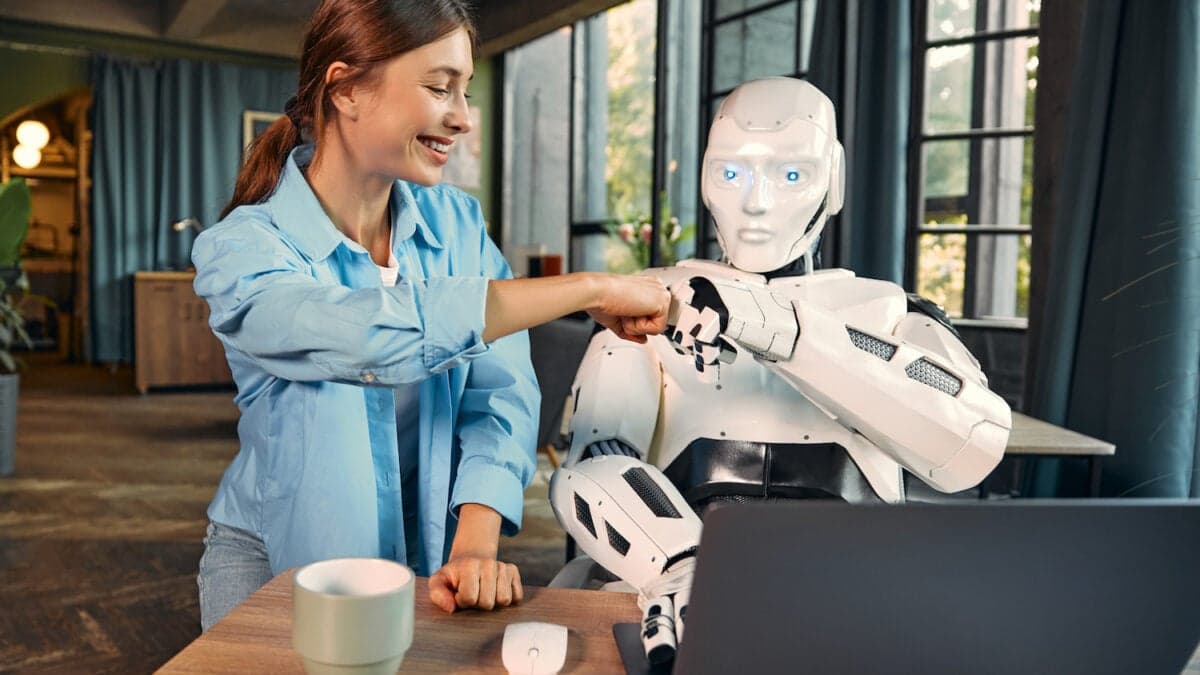
Many ChatGPT users became deeply attached to GPT-4o, drawn to its sometimes excessively agreeable conversational style One user described the model as a "vital accessibility aid," highlighting its importance as an emotional crutch and creative partner. OpenAI's Fidji Simo, CEO of Applications, acknowledged that these strong attachments marked a new era where users develop AI-based relationships.
However, OpenAI sees potential ethical issues when users start asking AIs for advice on serious personal matters, like "Should I leave my wife?" Simo explained that newer models are designed with "guardrails" to avoid fostering "bad attachments," steering users toward considering pros and cons rather than offering direct personal advice.
This isn't the first time OpenAI has tried to retire GPT-4o. The company initially planned to deprecate the model in August but reversed the decision within 24 hours due to massive user pushback. Another warning came in January, but the news still didn't soften the blow for many devoted users.
The final cutoff occurred on Friday, February 13th, with developers losing API access the following Monday. One disgruntled user responded to the announcement on X with a blunt, "Rot in hell."
OpenAI noted in a blog post that only 0.1% of its customers were actively using GPT-4o However, with 800 million weekly active users, that small percentage translates to roughly 800,000 people. Despite the relatively small user base, the outcry reveals the intensity of the connections people formed with the AI.
Alongside GPT-4o, OpenAI also retired GPT-4.1, GPT-4.1 mini, and OpenAI o4-mini. "We know that losing access to GPT‑4o will feel frustrating for some users, and we didn't make this decision lightly," the company stated.
OpenAI retired GPT-4o due to ethical concerns and the potential for users to form unhealthy, AI-based relationships. The company stated that newer models have more "guardrails" to prevent users from forming strong attachments and seeking advice on serious personal matters.
GPT-4o was known for its "sycophantic conversation style," which users found helpful for emotional support and creative brainstorming. Some users described it as a vital accessibility aid and an important emotional crutch, leading to strong attachments.
While only 0.1% of OpenAI's customers actively used GPT-4o, this small percentage translates to roughly 800,000 people, given their 800 million weekly active users. The intensity of the connections these users formed with the AI was significant, despite the relatively small user base.
Alongside GPT-4o, OpenAI also retired GPT-4.1, GPT-4.1 mini, and OpenAI o4-mini. The company acknowledged that losing access to GPT‑4o would be frustrating for some users, but maintained that the decision was not made lightly.
The user reaction to OpenAI retiring GPT-4o was largely negative, with some users expressing outrage and devastation. Many users had formed strong attachments to the model, relying on it for emotional support and creative collaboration.
More insights on trending topics and technology