OpenAI Rolls Out Ads to ChatGPT Users, and Not Everyone Is Happy
AI Overview
•OpenAI is testing ads in ChatGPT for free and $8/month "Go" tier users in the US.
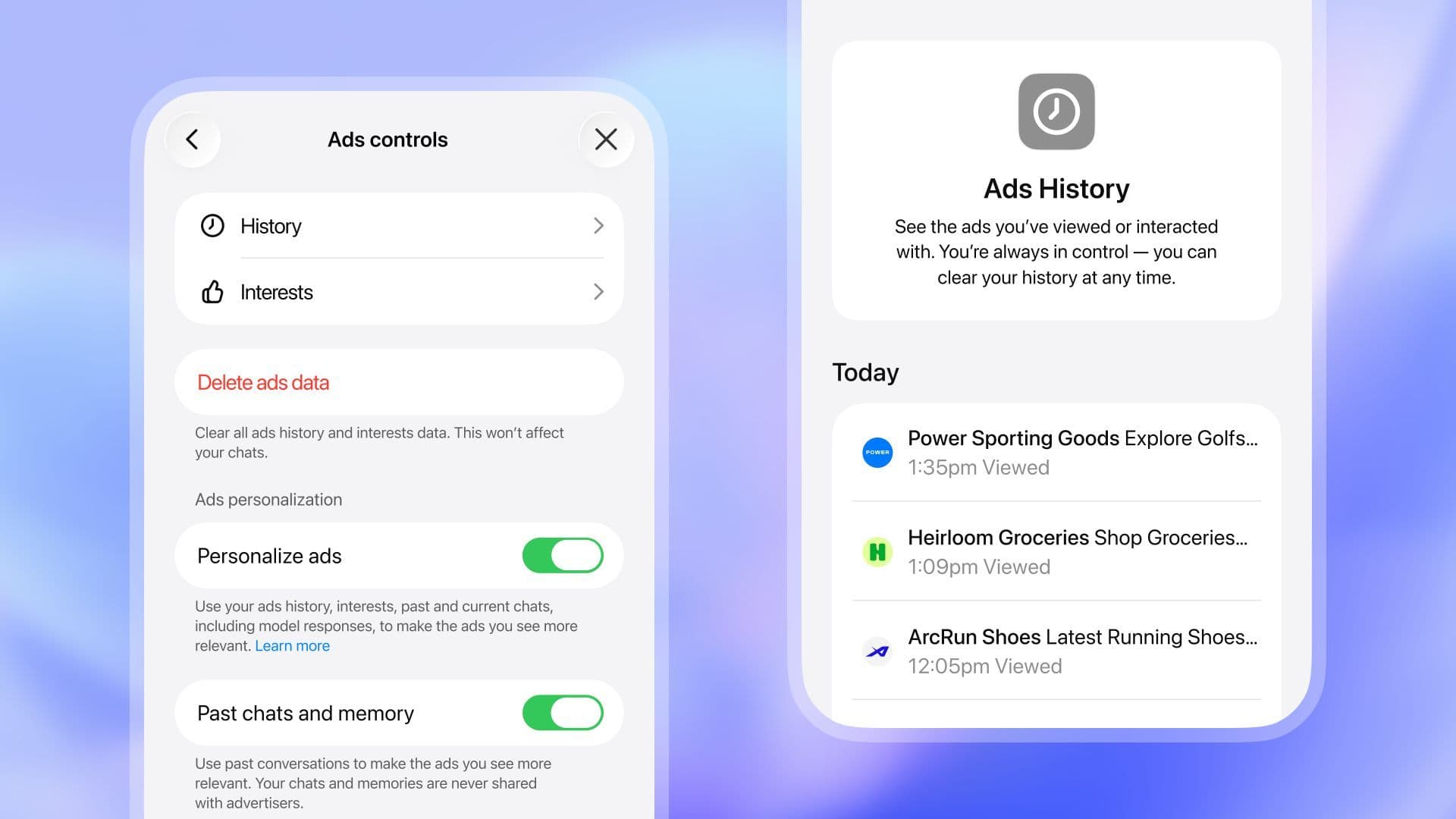
•Ads are labeled as sponsored content and appear below chatbot responses.
•Paid subscribers on Plus, Pro, Business, Enterprise, and Education tiers will not see ads.
•User data is not shared with advertisers, but aggregate performance data will be.
ChatGPT's free ride is over. OpenAI has begun testing ads for free and "Go" tier users in the US, aiming to monetize its massive user base. The move, while expected, is already facing backlash as users question the impact on the chatbot's utility and objectivity.
The Monetization of ChatGPT: Ads Arrive
After months of speculation, OpenAI has officially launched advertising within ChatGPT [1]. The ads are rolling out to logged-in users in the US who are on the free or "Go" tiers [4]. The company insists the ads won't influence ChatGPT's responses and that user data remains private [3].
Targeting and Transparency
OpenAI assures users that advertisers won't have access to personal chats, history, or details. Instead, advertisers will only receive aggregated data on ad performance, like views and clicks [2]. The ads will be clearly labeled as sponsored to avoid confusion [5]. OpenAI says that the ads will be optimized based on "what’s most helpful to you," attempting to mitigate the concerns raised by rival Anthropic's Super Bowl ad that mocked the idea of poorly integrated AI ads [2].
User Reaction and Alternatives
The introduction of ads has been met with mixed reactions. Some users on platforms like Reddit are expressing dissatisfaction and threatening to switch to competing AI models like Claude [3]. The rollout has also reignited discussions about the long-term sustainability of OpenAI's business model.
Balancing Revenue and User Experience
OpenAI faces the challenge of generating revenue while maintaining a positive user experience. The company has been exploring various monetization strategies, including premium subscriptions and enterprise solutions [1]. Ads are expected to supplement these revenue streams, not replace them.
“We’re starting to roll out a test for ads in ChatGPT today to a subset of free and Go users in the U.S.," OpenAI stated [4]. This measured approach suggests OpenAI is aware of the potential impact on user satisfaction and is proceeding cautiously.
Opt-Out and Message Limits
Users can opt-out of personalized ads, but doing so on the free tier may reduce message limits [4]. This incentivizes users to either tolerate ads or upgrade to a paid subscription [4]. It’s a classic freemium model, but the execution will determine whether it alienates or converts free users.
What's Next
Monitor user feedback and adjust ad implementation accordingly.
Potential expansion of ads to other regions and user tiers based on initial test results.
Continued development of alternative monetization strategies beyond subscriptions and advertising.
Why It Matters
AI Accessibility: The introduction of ads could impact the accessibility of advanced AI tools for users who rely on the free tier.
Competitive Pressure: OpenAI's move could pressure other AI companies to explore similar monetization strategies, potentially normalizing ads in AI chatbots.
Data Privacy: The rollout highlights the ongoing debate about data privacy and the responsible use of user information in advertising.
AI Objectivity: The perception of AI objectivity could be compromised if users believe ads influence chatbot responses.
Business Model Evolution: This signifies a critical juncture in the evolution of AI business models, as companies grapple with balancing innovation, user experience, and profitability.