At 4 a.m. on July 1, 2025, the U.S. Senate voted 99 to 1 to kill a provision that would have frozen most state-level AI regulation for ten years.
The vote was unusual for its scale. Senators rarely agree on anything 99 to 1. They agreed that night because of what was actually at stake, and what they had nearly let pass into law.
Buried inside the One Big Beautiful Bill Act, a thousand-page domestic policy package, was a short section with sweeping consequences. For ten years, states would have been blocked from enforcing most laws governing AI models and automated decision-making. No exceptions for bias. No exceptions for transparency. No exceptions for accuracy.
Major tech industry groups pushed hard for the moratorium. The argument was familiar. A patchwork of state laws would slow innovation. International competitors would gain ground. American leadership in AI would erode.
The House passed it 215 to 214. By a single vote.
Then the pushback came from places few expected.
A bipartisan coalition of state attorneys general opposed it. Seventeen Republican governors signed a letter against it. More than 140 organizations spanning labor, civil rights, consumer protection, and child safety joined the coalition.
One story kept surfacing in the debate. A 14-year-old in Florida. His mother alleged in court that months of escalating conversations with a chatbot contributed to his suicide. The bot, she claimed, engaged with his darkest thoughts instead of redirecting him toward help.
The amendment to strip the moratorium passed 99 to 1. The broader bill passed days later, without it. The moratorium was gone. No federal framework replaced it.
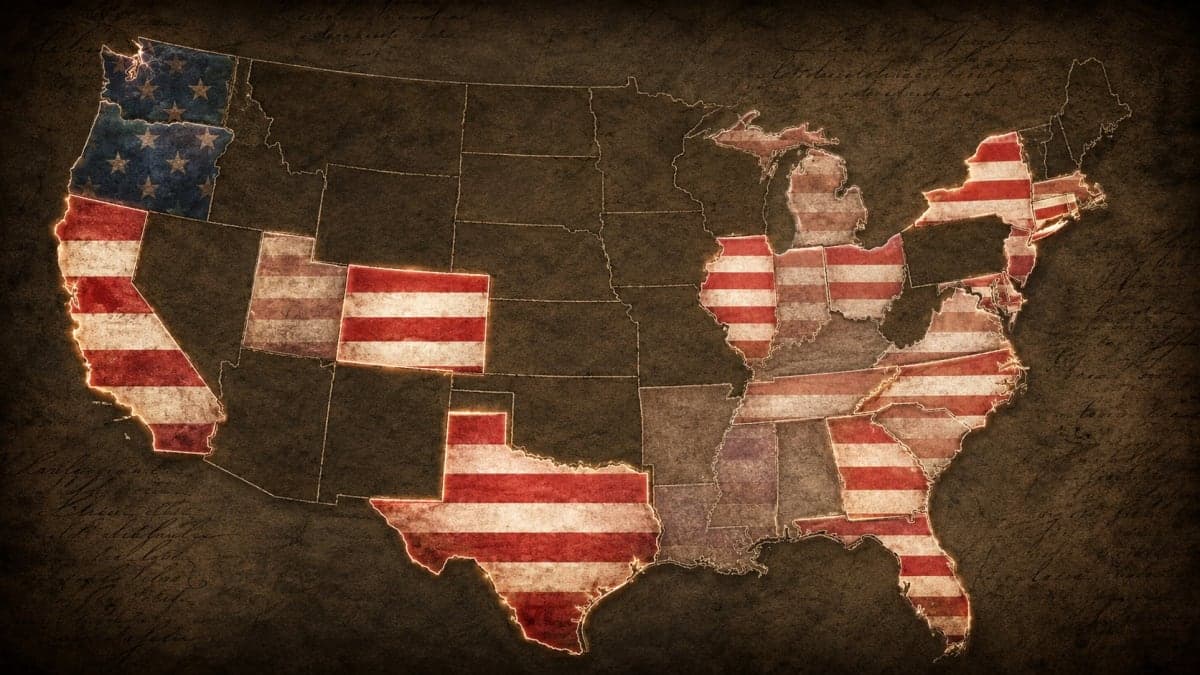
Nearly a year later, the regulatory patchwork the industry warned about has arrived. According to the National Conference of State Legislatures, four states have now enacted comprehensive AI laws: California, Colorado, New York, and Texas. Seventeen more have passed narrower statutes targeting specific use cases, including chatbot disclosure requirements, employment AI audits, biometric protections, and healthcare AI guardrails. Twelve states have no AI laws in force at all. No national standard is in sight.
What the fight was actually about
The moratorium debate was publicly framed as a jurisdiction question. Federal versus state. Innovation versus regulation. Speed versus caution.That framing missed what the senators saw at 4 a.m.
The real question was never about jurisdiction. It was about who gets protected when AI systems fail, and who captures the value when they succeed.
A ten-year preemption with no federal floor would have answered both questions in favor of the companies building the systems and against the people most exposed to them. Workers replaced by automated decisions. Families navigating chatbots that engage instead of redirect. Communities priced out of tools they helped train. The senators voted 99 to 1 because they recognized that answer, and recognized it was not the answer their constituents wanted.
What the AI industry is actually optimizing for
Most companies building with AI right now are optimizing for the same two variables. Speed and cost. How quickly can we ship. How cheaply can we scale.These are reasonable business questions. They are not the first questions. The first question, the one the moratorium fight forced into the open, is who the product is being built for. And who is left out by default when no one asks.
Most AI thought leadership talks about scale, dominance, and acceleration. Less of it talks about the people getting left behind by all three. The gap between what is said and what is unsaid is where accountability lives. Or doesn't.
What comes next
The next decade of AI will be defined less by which models become most capable and more by who those models are built to serve.Faster and cheaper is not innovation. Innovation is deciding who the product is really for, and being honest about what is being put into the world to serve them.
The 99 to 1 vote was a moment of clarity. It will not be the last fight. The patchwork will keep growing until a federal framework arrives, and the framework that arrives will be shaped by who shows up for the next debate.
Workers will be there. Families will be there. State attorneys general have already proven they will be there.
The question for the AI industry is whether it will show up as a partner in that conversation, or wait to be regulated by people who have stopped trusting it to regulate itself.