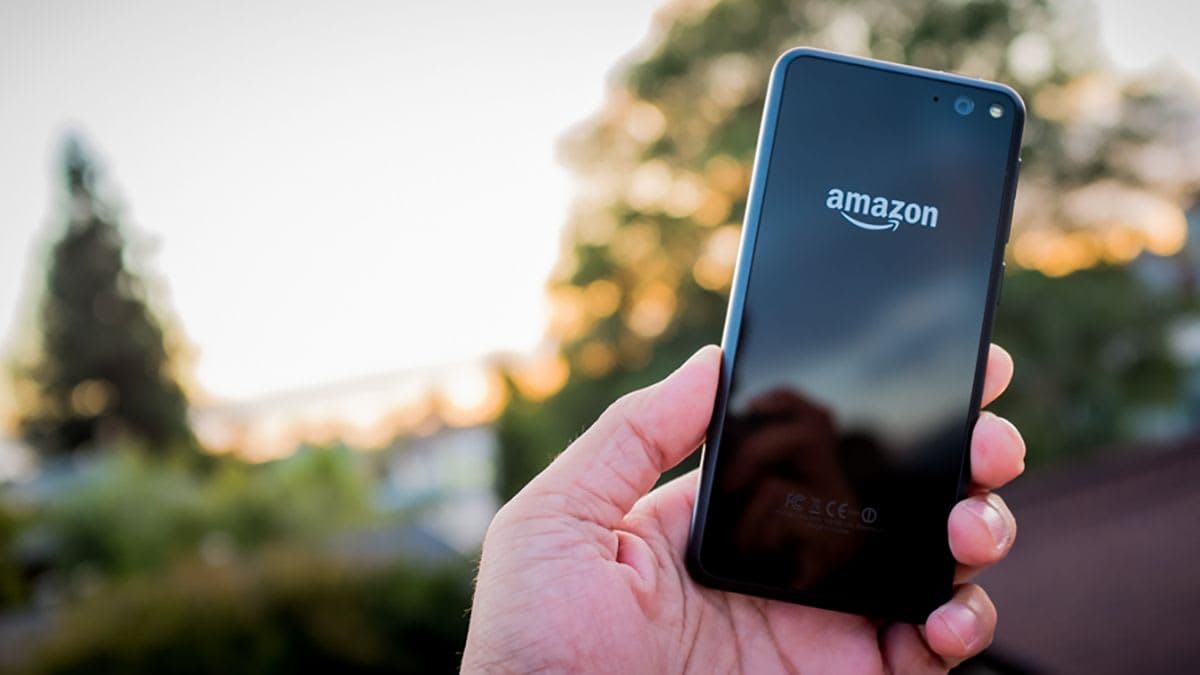
A decade after the Fire Phone's commercial failure, Amazon is reportedly re-entering the competitive smartphone market with a new AI-focused device codenamed "Transformer." This ambitious project, driven by founder Jeff Bezos, aims to deeply integrate Amazon's ecosystem, from shopping to Prime Video, through advanced artificial intelligence.
Why Amazon is Developing a New Smartphone
Amazon's original Fire Phone, launched in June 2014, ceased production and sales within about a year due to poor reception. Now, the tech giant appears ready for another attempt at the smartphone market, with a device reportedly under development by Amazon’s devices unit, according to TechRadar.The new device, internally known as "Transformer," places artificial intelligence (AI) and shopping services at its core. This focus aligns with Amazon's recent advancements in its upgraded Alexa+ AI chatbot, aiming to create a seamless, voice-controlled digital experience.
Amazon founder Jeff Bezos reportedly champions the project, envisioning an all-purpose device that might feel at home in a Star Trek episode. Amazon executives believe they can succeed this time, integrating all Prime services like Prime Music and Prime Video directly into the phone's functionality, making it easier to buy from Amazon.com or order from partners like Grubhub.
"Transformer": Design and Market Challenges
Sources indicate the on-board AI could reduce reliance on traditional apps and app stores, a potential departure from the strategy that complicated the Fire Phone's adoption. Early hints suggest the "Transformer" might draw inspiration from minimalist devices like the Light Phone, implying it could serve as a secondary device rather than a primary smartphone for many users, according to WIRED.This approach could offer a unique selling proposition in a market dominated by Apple and Samsung, which together command about 40% of global smartphone sales. Despite Amazon's extensive experience with hardware like tablets, Kindle e-readers, and smart speakers, re-entering the smartphone arena presents significant challenges.
The smartphone market itself faces headwinds. Analysts at IDC expect a 13% contraction in 2026 due to a memory shortage crisis, making it a particularly difficult time to launch a new device. Jeronimo, an industry tracker at IDC, notes that while Amazon has a powerful services ecosystem, a new smartphone must contend with entrenched competition and potentially better products, according to Ars Technica.
This project is not guaranteed to launch; its fate hinges on Amazon's future strategy and financial performance. Furthermore, any new Amazon hardware must address the company's past issues with user privacy, especially given how much more people use smartphones compared to other Amazon devices.
The Bigger Picture
- Amazon's re-entry highlights its continued ambition to own a central device for customer interaction, despite previous failures.
- The focus on AI and ecosystem integration indicates a strategic pivot from a general-purpose phone to a specialized Amazon-centric experience.
- Launching into a contracting smartphone market, projected to shrink by 13% in 2026, presents substantial competitive and financial risks.
- Success hinges on Amazon's ability to differentiate "Transformer" and mitigate privacy concerns associated with increased data collection.