Siri's New Openness: The "AI Gateway" Strategy
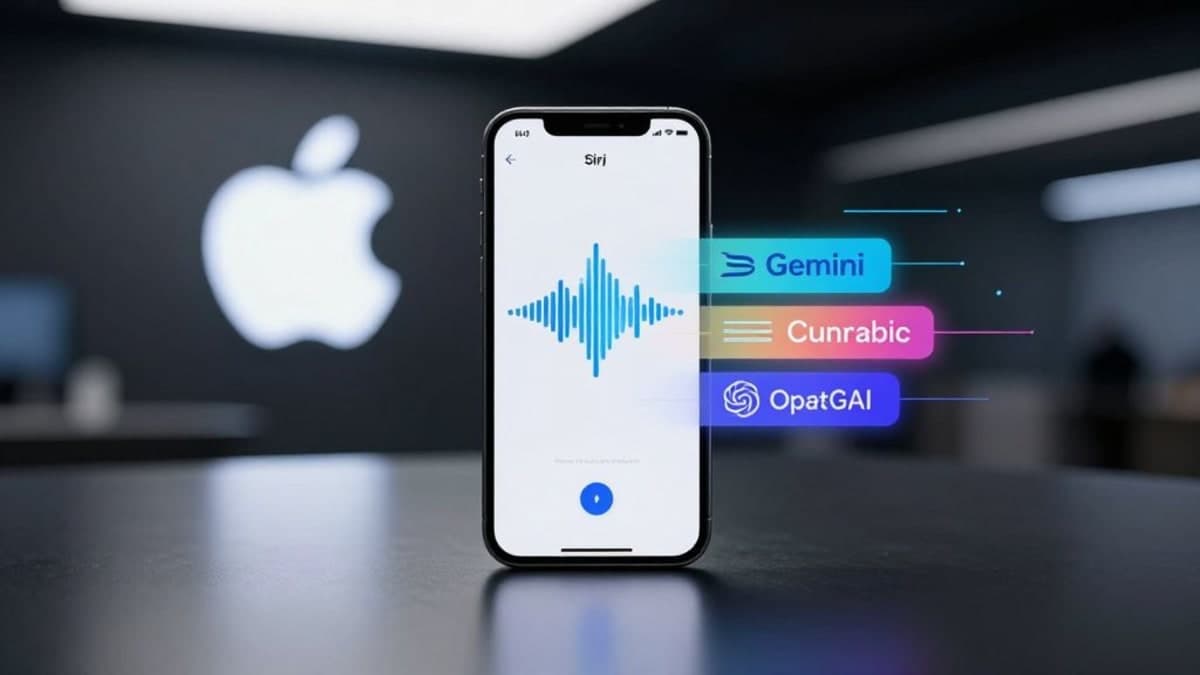
For more than a decade, Apple has kept Siri largely within its proprietary ecosystem. That era is ending. With the anticipated iOS 27 update, Apple intends to transform Siri into a central hub, or an "AI Gateway," allowing it to interact with various AI chatbot applications installed from the App Store . Users will gain the flexibility to choose which AI service handles specific requests, a significant departure from Siri's historically closed architecture.This integration means that if you have OpenAI's ChatGPT, Google's Gemini, or Anthropic's Claude installed on your iPhone, Siri will function as the conduit, directing your verbal commands and queries to the AI service you prefer. It's less about Siri becoming an all-knowing AI itself and more about it becoming the most convenient interface for accessing any AI on your device. This is a critical pivot as Apple works to catch up to competitors who have been aggressive in integrating advanced AI into their offerings.
Apple's Broader AI Platform Ambitions
This shift is not an isolated event; it's part of Apple's larger strategy to evolve the iPhone into a comprehensive AI platform under its "Apple Intelligence" initiative. While Apple has been developing its own AI tools, embracing third-party services expands the capabilities instantly. The move could also open a substantial new revenue stream, as Apple is likely to take a share of subscriptions sold through these integrated third-party AI services, much like it does with other App Store purchases. This aligns with the company's continuous efforts to grow its services business, which already accounts for more than $100 billion a year in annual sales, according toReuters
.Apple is set to preview these new software features at its Worldwide Developers Conference in June. This openness could drastically alter how users interact with their devices, moving away from a single, default AI to a customizable, multi-AI experience. It signals Apple's recognition that to lead in the AI era, it must become an orchestrator of AI experiences, not just the sole provider. This strategy echoes Apple's prior decision to introduce paid advertisements to its Maps service in the U.S. and Canada, diversifying revenue streams in areas traditionally dominated by competitors like Google.