Making Holograms Accessible to Everyone
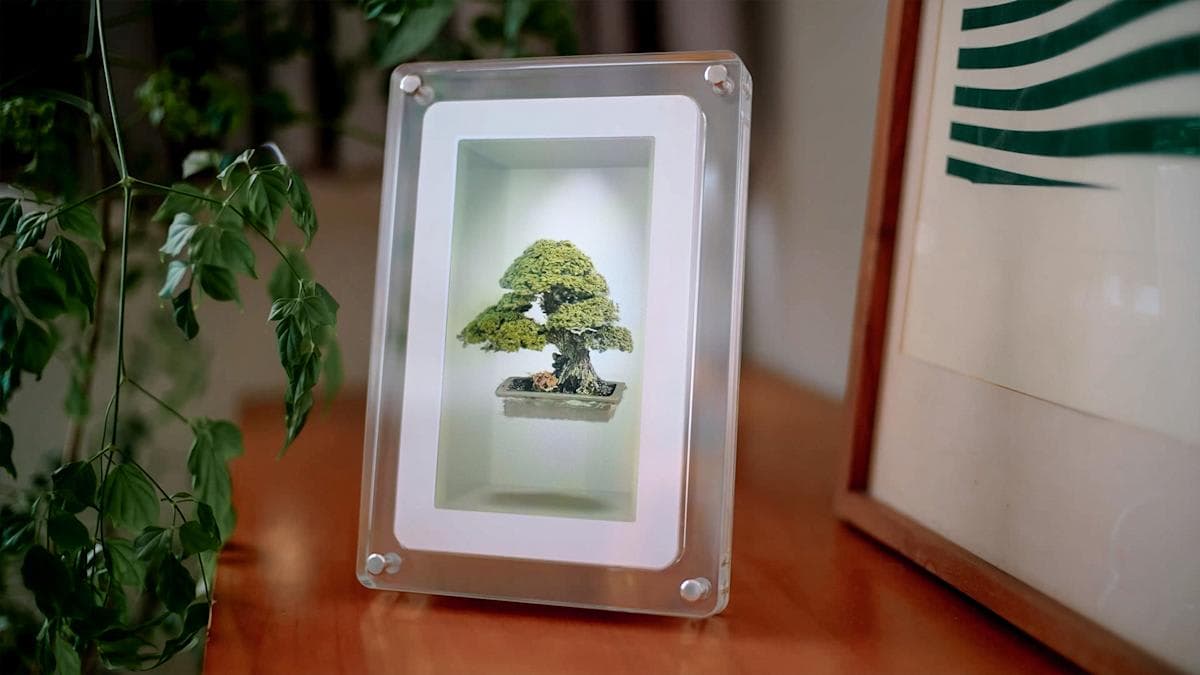
Looking Glass has consistently pushed the boundaries of holographic technology since 2019, striving to bring science fiction concepts into everyday reality. The Musubi frame, shipping in June, represents their most aggressive step yet toward mass adoption. Unlike earlier, more expensive kits like the $300 Looking Glass Go from 2023, the Musubi's $149 price tag is designed to appeal to a broader consumer market.This 7-inch frame features a sleek glass border and a white matte finish, serving as a dynamic canvas for personal memories. Users can store up to 1,000 images or 30-second video clips on the device. For continuous display, it can run indefinitely when plugged in, or for up to three hours on a single charge, providing flexibility for placement anywhere in the home or office.
The process of bringing content to life on Musubi involves converting standard photos and videos into holographic files using a free desktop application provided by Looking Glass. Once converted, the files are simply transferred to the device via a USB-C connection. This streamlined workflow aims to make the holographic experience as straightforward as uploading photos to a traditional digital frame, but with an added dimension.
Technology Driving the Three-Dimensional Future
Musubi incorporates Looking Glass's advanced Hololuminescent Display (HLD) technology, which first debuted in 2025. This innovative display "combines 2D display layers with a 3D holographic volume." The result is a glasses-free, multi-person viewing experience that doesn't rely on eye-tracking, eliminating common barriers to enjoying 3D content. This isn't just a gadget; it's a statement that practical holographic tech is here.While it's always wise to approach Kickstarter campaigns with a degree of caution, Looking Glass has a history of successful campaigns and a clear commitment to its June shipping date for Musubi. This suggests strong confidence in the product's readiness and stability. Most analysts stop here, but the real story is how Musubi positions itself within a burgeoning AR/holographic market that's finally making good on its promises.
Other industry players are also pushing for more accessible augmented reality devices, with some midrange smart glasses like the Meta Ray-Ban Display hitting the market at $799. This establishes a clear pricing ladder, with Musubi carving out a niche for dedicated holographic displays at the entry level. We're also seeing advances in other display technologies, such as "innovative windscreen holographic display technology for assisting drivers," indicating a broader trend towards integrating holography into various consumer and professional applications.
Musubi Key Specifications
| Feature | Specification |
|---|---|
| Display Size | 7 inches |
| Technology | Hololuminescent Display (HLD) |
| Content Storage | Up to 1,000 images / 30-second video clips |
| Battery Life | 3 hours (or indefinite with power adapter) |
| Connectivity | USB-C for content transfer |
| Introductory Price | $99 (Kickstarter 24-hour special) |
| Standard Price | $149 |