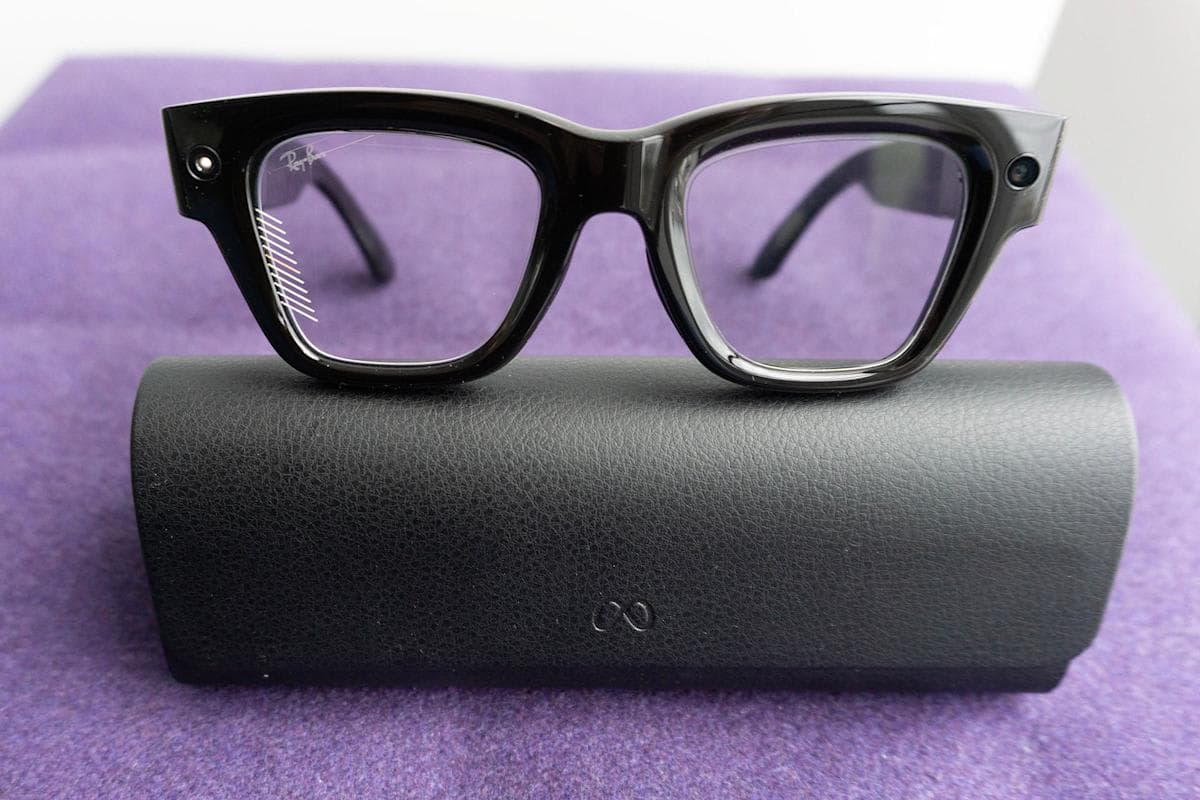
Users of Meta's Ray-Ban Display and other AI-powered smart glasses may be unknowingly sharing highly intimate and sensitive video recordings with human moderators. Reports indicate contractors in Kenya review footage for AI training purposes, including scenes from bathrooms, private financial information, and sexual activity, sparking significant privacy concerns and prompting scrutiny from data protection regulators.
The Unseen Audience Behind Meta's Smart Glasses
Meta has positioned its AI-enabled smart glasses, like the Ray-Ban Display, as a seamless way for users to interact with the world hands-free. These devices allow wearers to record what they see or get instant answers to questions via a Meta AI assistant. However, a series of reports, spearheaded by Sweden's Svenska Dagbladet, reveal a concerning side to this technology: the potential exposure of users' most private moments to human review.According to these reports, employees in Kenya, specifically in Nairobi, are tasked with "annotating" visual data captured by these glasses. This process, critical for training artificial intelligence, involves human review of recorded content. Contractors described seeing deeply personal footage. This included individuals "nude, using the toilet and engaging in sexual activity, along with credit card numbers and other sensitive information".
Why Human Review is Necessary for AI
The underlying reason for this human oversight lies in how large language models (LLMs) and other AI systems learn. To effectively understand and interpret real-world visual data, these models require extensive training on annotated datasets. This means people must manually label and categorize objects, actions, and contexts within video footage. For Meta's AI assistant to accurately respond to a user's query about what they're seeing, it first needs a vast amount of human-labeled examples.Meta's terms of service for its AI products and smart glasses explicitly state that "any data captured [can] be reviewed by humans". The policy clarifies that sensitive data may be reviewed by "either humans or automated systems." It also places the responsibility on the user to "not share sensitive information" while using the device. This clause, however, clashes with the practical reality of wearing a camera on one's face, where unexpected private moments can easily be captured without explicit user intent to "share" them.
Regulatory Scrutiny and User Transparency
The practice has drawn significant criticism from data protection authorities. In Europe, these actions are subject to the stringent GDPR rules, which mandate transparency regarding how personal data is processed . A data protection lawyer cited in the Svenska Dagbladet report highlighted this requirement. The lack of clear, upfront communication about human review has fueled concerns.The UK's Information Commissioner's Office (ICO), the country's data watchdog, has also voiced its "concern" over the reports. The ICO emphasized that devices processing personal data, especially smart glasses, should "put users in control and provide for appropriate transparency." This underscores a growing tension between the data demands of advanced AI development and individual privacy rights.
Meta, in response to inquiries, has maintained that it follows its own policies. The company stated that"when live AI is being used, we process that media according to the Meta AI Terms of Service and Privacy Policy."
They also noted that, like other companies, they sometimes use contractors to review data to improve user experience, as detailed in their privacy policy. However, critics argue that the fine print in a lengthy terms of service document does not equate to genuine user awareness or informed consent when it comes to such highly sensitive data. Many users appear to believe their recordings are processed solely by AI, not by people. The challenge for Meta and other tech companies developing similar AI-powered wearables will be to balance their need for training data with robust, transparent privacy safeguards that truly empower users.