Back to Articles
AI
|3 min read|

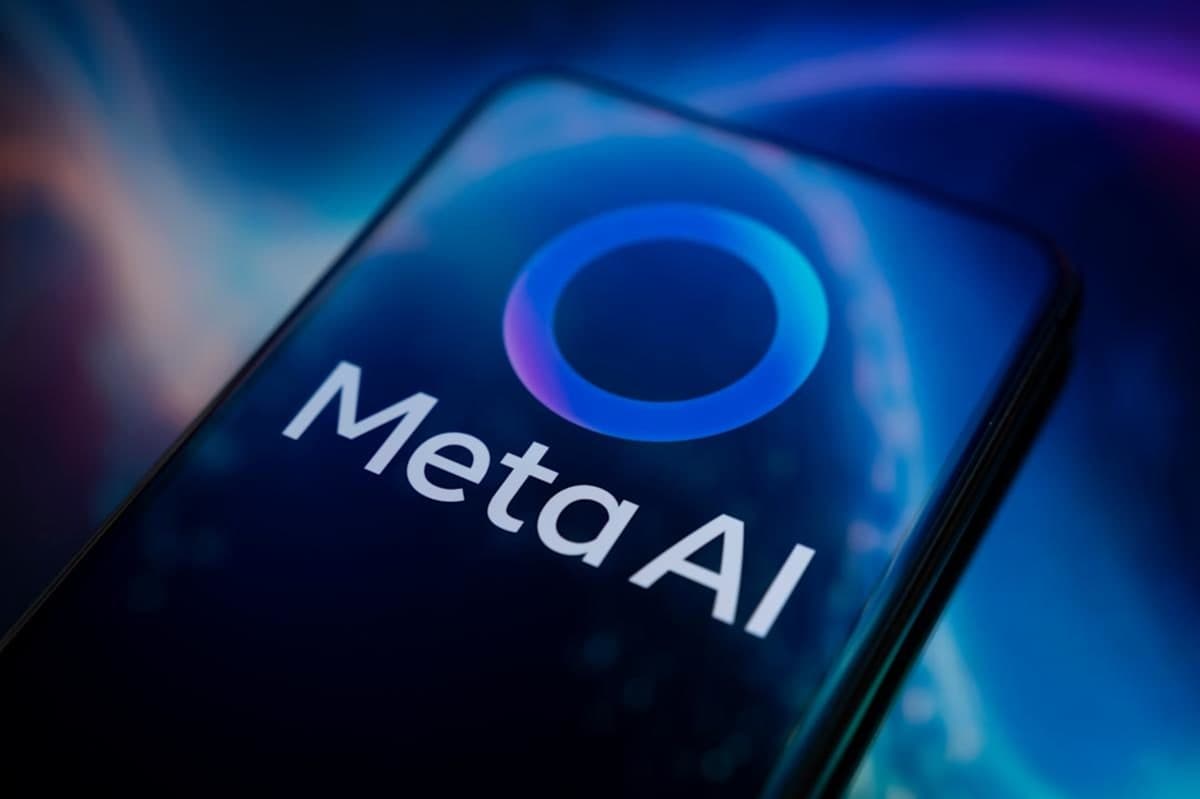
Meta is bringing more international news to its AI

Meta is bringing more international news to its AI
Trending Society

AI Overview

  • Meta secured deals with major European publishers for international news content.
  • Advanced AI-powered scam detection tools are rolling out across Facebook, WhatsApp, and Messenger.
  • Meta acquired Moltbook, an AI agent social network, to bolster its AI research division.
  • The company is prioritizing content authenticity and user safety amid growing AI-generated threats.
Meta is significantly expanding its artificial intelligence capabilities, not only by striking new deals to integrate international news content into its AI products but also by enhancing user safety with advanced scam detection tools across Facebook, WhatsApp, and Messenger. This strategic push also includes the acquisition of AI agent social network Moltbook, signaling a deeper investment in foundational AI research and development. The moves aim to make Meta AI more accurate, globally relevant, and secure for its vast user base.

Boosting AI's Global News Aptitude

In a strategic effort to improve the accuracy and timeliness of its AI, Meta has forged new agreements with prominent international publishers, including French newspaper Le Figaro, Spanish media company Prisa, and German newspaper Süddeutsche Zeitung. These deals, alongside a recent arrangement with News Corp, reportedly worth up to $50 million annually, according to Engadget, are designed to provide Meta AI with better access to diverse, global information.

This renewed focus on news content marks a notable shift for Meta, which has had a complex relationship with publishers over the years. Previous initiatives, like "instant articles," saw Meta paying publishers, only for the company's priorities to change. Now, facing intense competition in the AI landscape, Meta is re-engaging with content creators. The company explicitly stated that "These integrations will also facilitate easier access to information by linking out to articles, allowing you to visit these partners’ websites for more details while providing value to partners, enabling them to reach new audiences."

This commitment to linking out to original sources could be a critical differentiator. While the benefit for publishers remains an open question, it suggests Meta is acknowledging the broader ecosystem. However, this comes as Meta's own oversight board urged the company to proactively label fake AI content "much more frequently," especially after a BBC analysis found a string of fake AI videos related to armed conflict collected at least 100 million views without proper labeling, as BBC reports.

Combating Scams and Expanding AI Reach

Beyond news, Meta is simultaneously making significant strides in user safety and foundational AI development. The company is rolling out advanced scam detection tools across its key platforms: Facebook, WhatsApp, and Messenger. On Facebook, users will receive new alerts for suspicious friend requests. WhatsApp is introducing device-linking warnings to protect users from scammers attempting to trick them into linking their accounts to unfamiliar devices, according to TechCrunch.

Messenger is expanding its advanced scam detection to more countries. This feature identifies chat patterns commonly associated with scams, such as suspicious job offers, and prompts users to share recent messages for an AI-powered review. If a scam is detected, Meta encourages users to block or report the suspicious account, per MediaPost. This proactive approach underscores the growing challenge of sophisticated online fraud, often amplified by AI's ability to generate convincing content.

Meanwhile, Meta has also acquired Moltbook, an AI agent social network, bringing its co-founders Matt Schlicht and Ben Parr into Meta Superintelligence Labs. Moltbook, described as a Reddit-like site where AI-powered bots interact and share information, was a niche experiment that caught the attention of industry figures like OpenAI CEO Sam Altman. This acquisition is a clear signal of Meta's long-term commitment to developing advanced AI agents and exploring new paradigms for AI interaction, as Reuters first reported.

What This Means For You

1

For Global Information Access

Expect Meta AI to provide a more nuanced and geographically diverse perspective on world events due to its new publishing partnerships. For Online Safety: Leverage the new scam detection alerts on Facebook, WhatsApp's device-linking warnings, and Messenger's advanced AI scam reviews to protect yourself from evolving online fraud. For AI Developers and Researchers: Meta's acquisition of Moltbook indicates a strong interest in AI agent platforms and collective AI intelligence, suggesting potential new tools or research directions from the company in the future. For Content Publishers: While Meta promises to link out to articles, monitor traffic patterns carefully, as the actual impact of AI search tools on web traffic remains a critical, evolving dynamic. Frequently Asked Questions Why is Meta investing in news content for its AI again? Meta is returning to news content partnerships to enhance the accuracy and timeliness of its AI, particularly as it competes with other advanced AI models. This move aims to provide Meta AI with a broader, more global information base, addressing previous limitations in surfacing accurate, current events. What specific new scam detection features is Meta rolling out? Meta is launching new alerts on Facebook for suspicious friend requests and device-linking warnings on WhatsApp to prevent account hijacking. On Messenger, it's expanding advanced AI scam detection to more regions, which reviews chat patterns for suspicious activity like fake job offers and prompts users to report or block accounts. What is Moltbook and how does its acquisition benefit Meta? Moltbook was a social networking platform designed for AI agents to interact and share. Meta acquired Moltbook to integrate its co-founders into Meta Superintelligence Labs, bolstering the company's research and development in advanced AI agents and exploring new models for AI collaboration and communication. Research Sources

FAQ

Meta is partnering with international news publishers to integrate their content into its AI. These deals include agreements with Le Figaro, Prisa, Süddeutsche Zeitung, and News Corp, providing Meta AI with access to diverse, global information and enabling the AI to link out to the original articles.

Meta is rolling out advanced AI-powered scam detection tools across Facebook, WhatsApp, and Messenger. These tools include alerts for suspicious friend requests on Facebook, device-linking warnings on WhatsApp, and expanded scam detection capabilities within Messenger to identify potentially fraudulent chat patterns.

Moltbook is an AI agent social network. Meta acquired Moltbook to bolster its AI research division, signaling a deeper investment in foundational AI research and development.

Meta is prioritizing content authenticity and user safety due to growing concerns about AI-generated threats, including fake news and scams. This focus aims to make Meta AI more secure for its users, especially after instances of fake AI videos spreading misinformation.

Related Articles

More insights on trending topics and technology

Newsletter

Stay informed without the noise.

Daily AI updates for builders. No clickbait. Just what matters.