AI to Automate White-Collar Work?
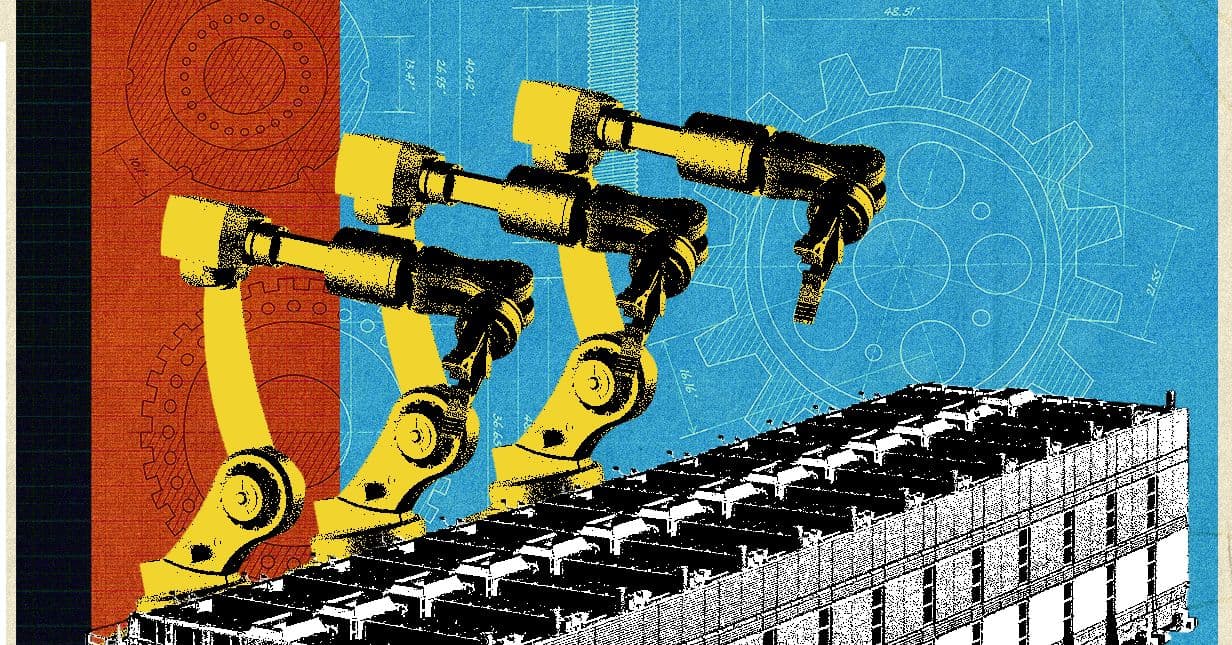
Mustafa Suleyman, Microsoft's AI CEO, believes that AI models are rapidly approaching the point where they can perform most professional tasks at a human level. In an interview with the Financial Times, Suleyman stated that AI could fully automate tasks for lawyers, accountants, project managers, and marketing professionals within the next 12 to 18 months.This pronouncement comes as anxieties are rising over the potential for AI to disrupt the job market. Anthropic's release of the Claude Cowork AI agent triggered a stock market selloff, fueled by fears that it could automate complex work.
AI's Impact on Software Engineering
Suleyman points to software engineering as an example of heavy AI automation. He claims that many software engineers now use AI-assisted coding for most of their code production. This shifts their role to debugging, scrutinizing, architecting, and putting things into production. Satya Nadella, Microsoft's CEO, has stated that over a quarter of Microsoft’s code is written with AI.Doubts About AI's Capabilities
Despite the hype, questions linger about the quality of AI-generated outputs. Some studies suggest that these "automation miracles" often fail to complete common remote work and office tasks successfully. There are also doubts about AI's ability to deliver economic gains for companies. Some research indicates that AI may not increase productivity and could even slow down workflows."AI Washing" and Intensified Labor
Some argue that companies are using "AI washing" — using the pretense of AI adoption to justify layoffs for purely financial reasons. The sustainability of relying heavily on AI in the long term also remains unclear, with some companies already needing to hire humans to fix AI-related issues. Furthermore, the introduction of AI may lead to employees being expected to take on greater workloads, resulting in burnout and lower quality work.Warnings from AI Leaders
Suleyman's forecast echoes similar warnings from other AI leaders. Last summer, Anthropic CEO Dario Amodei suggested that AI could eliminate half of all entry-level white-collar jobs. OpenAI CEO Sam Altman has also stated that AI is poised to destroy entire categories of work.What's Next
Keep an eye on upcoming data regarding AI's impact on productivity. Also watch for company earnings reports to see if investments in AI are paying off. Monitor new AI tools being released, especially those targeting specific white-collar professions.Why It Matters
- Job Displacement: Suleyman's prediction that AI will automate most white-collar tasks within 18 months raises concerns about widespread job losses.
- Productivity Paradox: Despite the hype, research suggests that AI may not actually increase productivity, challenging the narrative of seamless automation.
- Economic Impact: If AI implementation leads to "AI washing" and intensified labor, as some suggest, the long-term economic benefits of AI adoption could be undermined.
- Societal Impact: Even a 10% reduction in white-collar jobs due to AI could create an "identity crisis" among a large portion of the population, potentially leading to widespread social and economic disruption.