I'll be honest: I almost didn't write this piece because the headline writes itself too easily. "SEO is dead." It's been declared dead roughly every 18 months since 2012. Every time, it wasn't quite true.
This time is different, but not in the way most people are framing it.
The shift isn't that SEO stopped working. It's that the top of the search results page stopped being a list of links. TechCrunch put it plainly in May 2026: you're optimizing for a search engine that no longer exists in the form you learned to game. That's a more precise and more uncomfortable claim than "SEO is obsolete," and I think it's the one worth sitting with.
Why I Think "SEO Is Dead" Is the Wrong Frame
The "SEO is dead" narrative is satisfying because it's clean. It gives marketers a villain (Google's AI rollout), a crisis (your traffic is collapsing), and a solution (buy into the new thing). That's a good story. It's also a little too convenient.The real picture is narrower. Traditional SEO is losing leverage at the top of the funnel, specifically where users ask questions and get AI-generated answers without clicking anything. That's real, and it matters. But for transactional queries, local search, and anything that requires a human to actually evaluate options, the old mechanics still work.
What's obsolete isn't SEO. It's the assumption that ranking position equals visibility. Those two things have been quietly decoupling for years, and AI Overviews just made it impossible to ignore.
What I Think Is Actually Changing
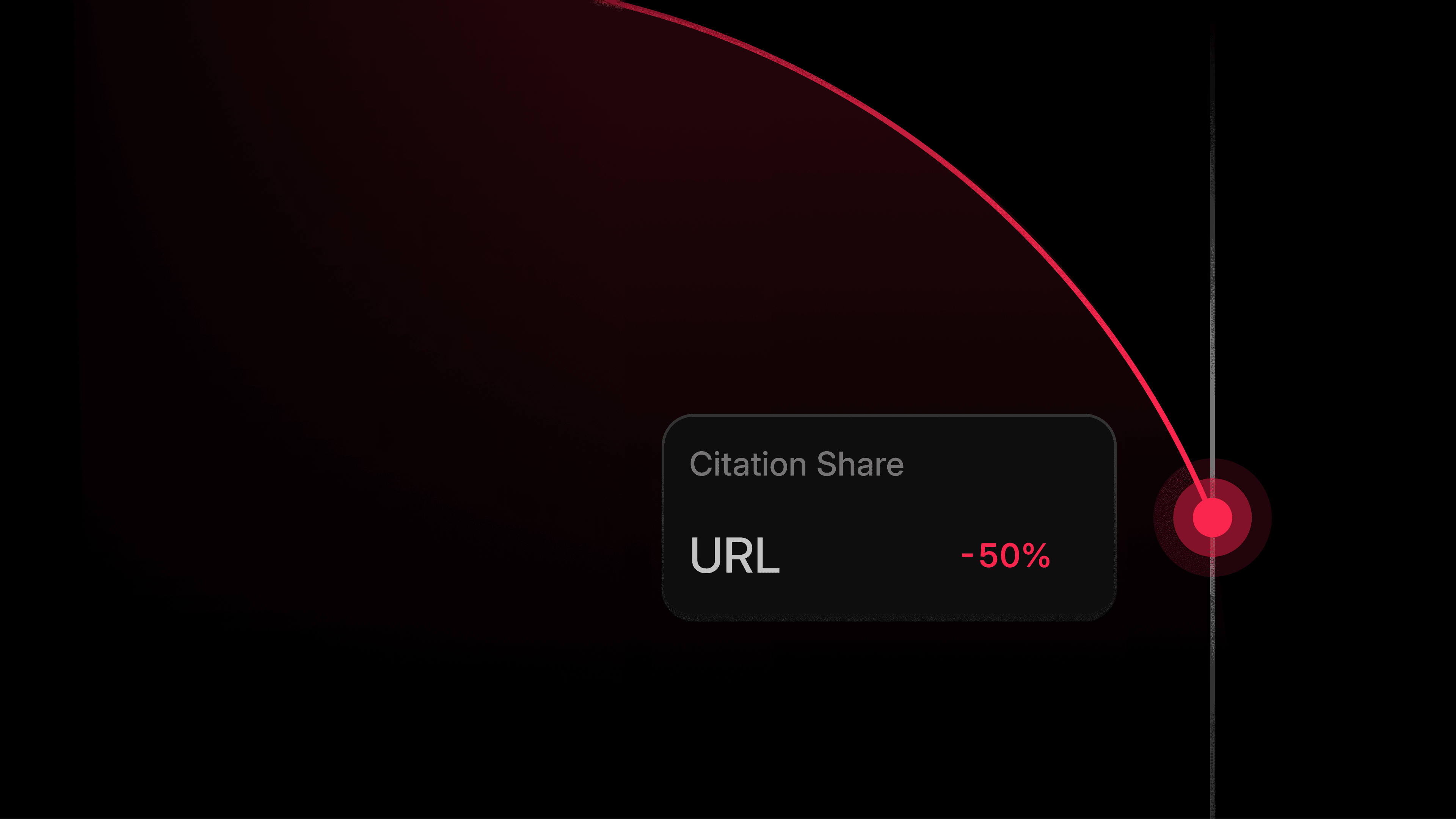
The stat that stopped me was this: AI referrals convert at a significantly higher rate than traditional organic search traffic. Matt Thompson at Scrunch has cited figures around 400% better conversion. I'd treat that number directionally rather than literally, since sample sizes and verticals vary wildly, but the direction makes intuitive sense.When someone gets an answer from an AI and then clicks through to your site, they're not browsing. They've already been pre-qualified by the summary. They showed up with intent. That's a fundamentally different visitor than someone who clicked your blue link from position six.
That's a quality story, not a volume one. If AI search sends you fewer visitors but better ones, the answer isn't panic. It's repositioning.
What "Agent-Ready" Actually Means in Practice
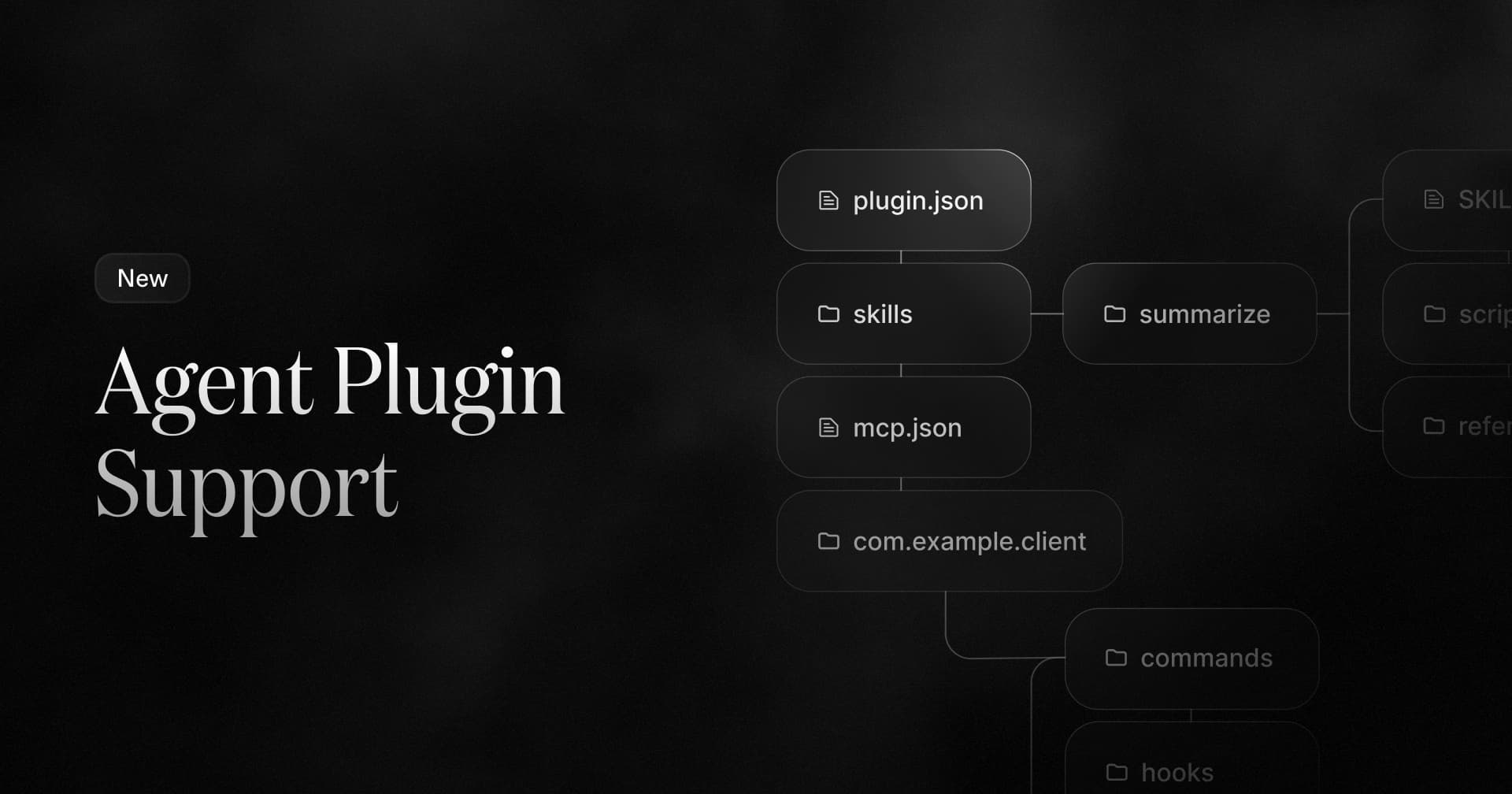
The term "agent-ready" gets thrown around a lot right now, and most explanations are too abstract to be useful. I'm not working from theory here. I built a publishing pipeline that handles these signals automatically: JSON-LD schema, extracted key points, entity tagging, anllms.txt that regenerates from the database on every request. I've watched which levers actually move citations and which just feel productive. Four that matter:- Structured data matters more than ever. Schema markup, clear entity relationships, and factual consistency across your site are how AI models decide whether to trust and cite your content.
- Ambiguity is your enemy. If your content hedges constantly, AI summaries will skip it in favor of something more definitive. Write with precision.
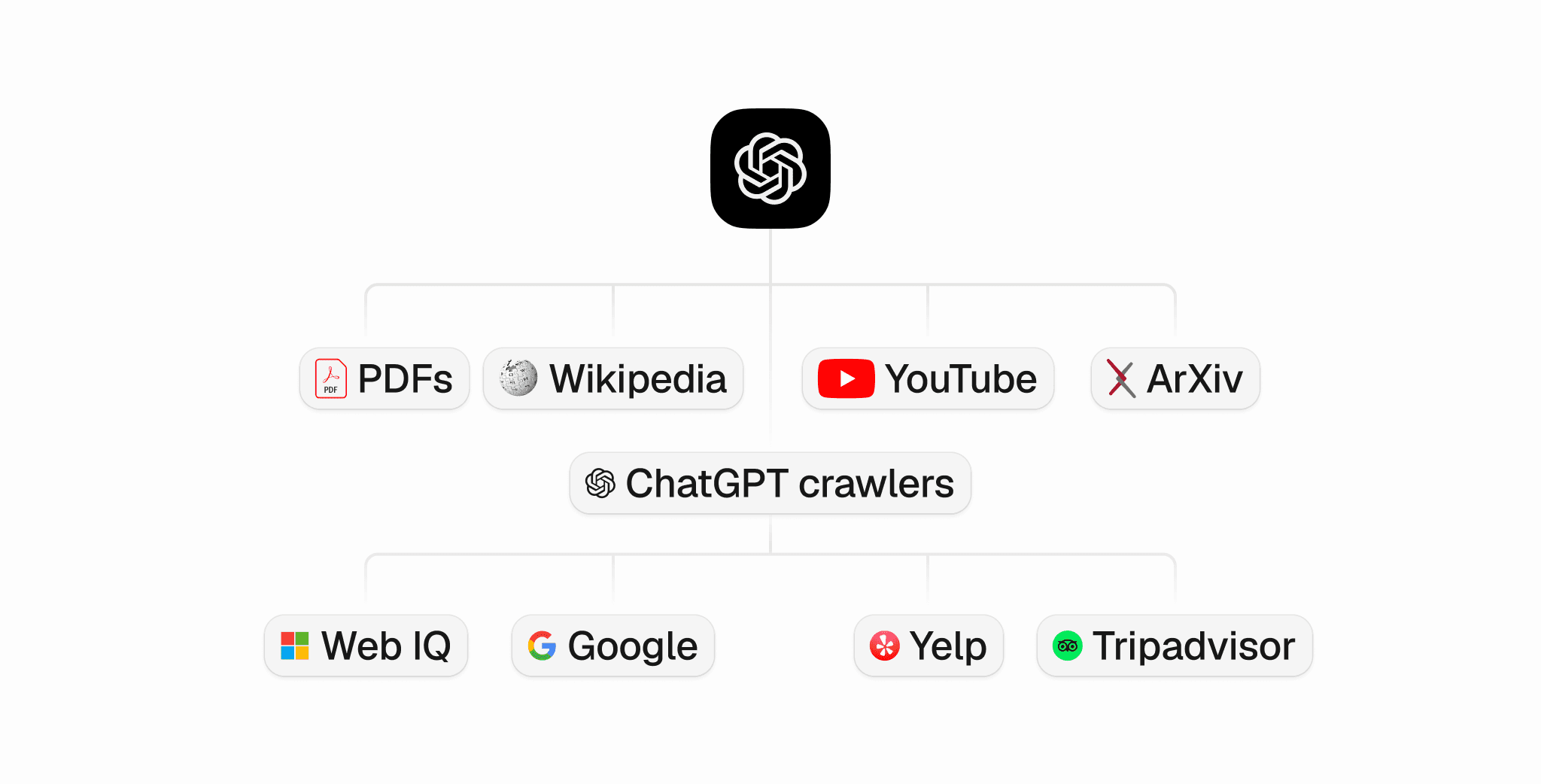
- Google is one platform, not the platform. Up to 77% of U.S. consumers reportedly use ChatGPT as a search tool. Gemini and Grok are real distribution channels. Optimizing only for Google's crawler is now a strategic blind spot.
- Your content needs to be quotable. AI agents synthesize and excerpt. If your key claims are buried in paragraphs of qualifications, they won't surface. Front-load your most defensible, specific assertions.
FAQ
Is traditional SEO completely useless now? No. Technical SEO, domain authority, and content quality still influence AI model outputs. What's changed is that ranking position alone no longer guarantees visibility for high-intent queries.What does "agent-ready" content actually require? Clear structured data, factual precision, and content that can be accurately summarized in 2-3 sentences. If your page can't pass that test, AI models will route around it.
Should I stop tracking Google rankings? Track them, but add AI visibility metrics alongside them. How your brand appears in AI-generated summaries is now a meaningful signal, not a vanity metric.
What's the most important thing to do right now? Audit your highest-traffic pages for AI comprehension. Check whether the key claims are clear, structured, and defensible. That's where the leverage is.