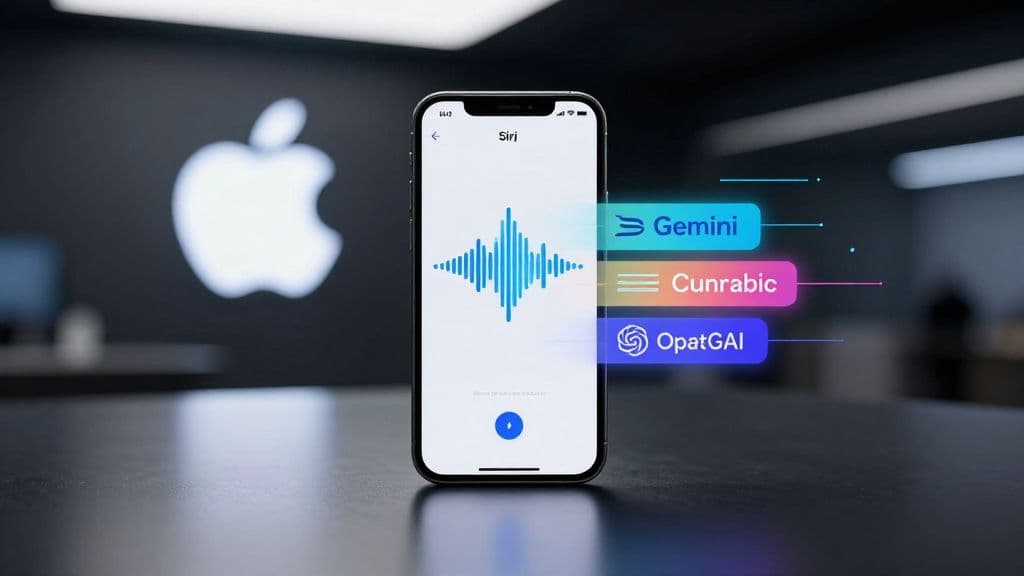

The J490 device has been a long-rumored project, with whispers of a HomePod-like smart speaker featuring a screen surfacing as early as 2022. Each time, expectations of an imminent release were dashed. The current delay underscores a critical challenge for Apple: integrating a sufficiently advanced AI into its core voice assistant to power next-generation devices. Most analysts expected an announcement this spring, which has now proven too optimistic.
The obvious question: why would a company as powerful as Apple struggle so significantly with its AI strategy? The answer lies in the increasing complexity of modern AI, particularly large language models (LLMs), which demand substantial computational resources and sophisticated engineering. Apple is playing catch-up in a field where competitors have made rapid advancements, and its internal struggles are now directly impacting its product roadmap.
This delay isn't an isolated incident; it's a symptom of Apple's broader efforts to infuse more robust AI capabilities across its ecosystem. The company has been working for over a year to incorporate advanced AI into Siri as part of its overarching Apple Intelligence package. This initiative aims to transform Siri from a basic voice command tool into a more intuitive, conversational chatbot experience.
The new timeline reportedly targets the completion of this Siri overhaul for the launch of the iPhone 18 Pro, also anticipated in September 2026. While the smart display won't appear until then, Apple may offer a glimpse of this long-awaited "Siri-as-chatbot" at its WWDC keynote earlier in the summer. This suggests the company views its AI advancements as a core feature that needs to be showcased before it even ships in devices.
The integration of advanced AI is paramount for the J490's interface, as it will rely heavily on Siri to manage tasks, display information, and interact with other smart home devices. Without a fully realized, intelligent Siri, the smart display risks being perceived as underpowered compared to offerings from rivals, which already boast advanced AI assistants. This strategic pause demonstrates Apple's commitment to delivering a polished, AI-driven experience, even if it means sacrificing initial market entry speed.
For Developers
Anticipate new SiriKit APIs and deeper AI integration tools in late 2026. Focusing on conversational interfaces and proactive suggestions will be key for future Apple ecosystem apps. For Consumers: Expect a highly polished, AI-driven smart home experience from Apple, but patience is required. The wait until late 2026 suggests significant foundational changes to Siri, potentially making the J490 a more capable device than earlier iterations might have been. For Competitors: This delay provides a continued window to innovate and solidify market share in the smart display space. However, it also signals Apple's intent to enter with a highly refined, AI-first product that could significantly shift market dynamics upon its eventual release. Frequently Asked Questions What is the Apple J490 smart home display? The J490 is Apple's rumored smart home display device, designed to integrate a screen with smart speaker functionalities, likely leveraging a HomePod-like form factor for managing smart home tasks and media consumption. Why is Siri's AI upgrade so critical for this device? Siri's advanced AI is essential for the J490 to offer a seamless and intelligent user experience. A fully revamped Siri would enable more natural conversational interactions, proactive assistance, and intuitive control over the device and other smart home accessories. When can we expect Apple to launch its improved Siri? Apple aims to complete its comprehensive Siri AI overhaul by the time the iPhone 18 Pro launches, which is also expected in September 2026. A preview of the new Siri capabilities might be showcased earlier at the company's WWDC keynote. Research Sources
Apple's smart display, codenamed J490, is now expected to launch in late 2026. This is a delay from the initially anticipated spring 2025 release, pushing it back over a year. The launch is likely to coincide with Apple's typical September release window.
The primary reason for the delay is the incomplete AI overhaul of Apple's Siri virtual assistant. A revamped Siri with advanced AI capabilities is crucial for the smart display's core functionality and user interface. Apple wants to ensure Siri is sufficiently advanced before releasing the device.
This delay highlights Apple's broader efforts to integrate more robust AI capabilities across its ecosystem, including Siri. The company has been working to incorporate advanced AI into Siri as part of its Apple Intelligence package. The new timeline targets the completion of this Siri overhaul for the launch of the iPhone 18 Pro, also anticipated in September 2026.
The increasing complexity of modern AI, especially large language models (LLMs), is a significant challenge for Apple. These models demand substantial computational resources and sophisticated engineering. Apple is working to catch up with competitors who have already made rapid advancements in the AI field.
Apple may offer a glimpse of the revamped "Siri-as-chatbot" at its WWDC keynote earlier in the summer of 2026. This suggests that Apple views its AI advancements as a core feature that needs to be showcased before it ships in devices like the smart display and the iPhone 18 Pro.
 Apple's New Smart Home Display Delayed Until Fall Over Siri Issues - CNET
 Apple Postpones Smart Home Display Launch as It Waits for New AI and Siri - Bloomberg.com
 Apple still has over a dozen products in the pipeline for 2026, here’s what’s coming - 9to5Mac
 Apple reportedly delays its planned smart display launch to fall
More insights on trending topics and technology