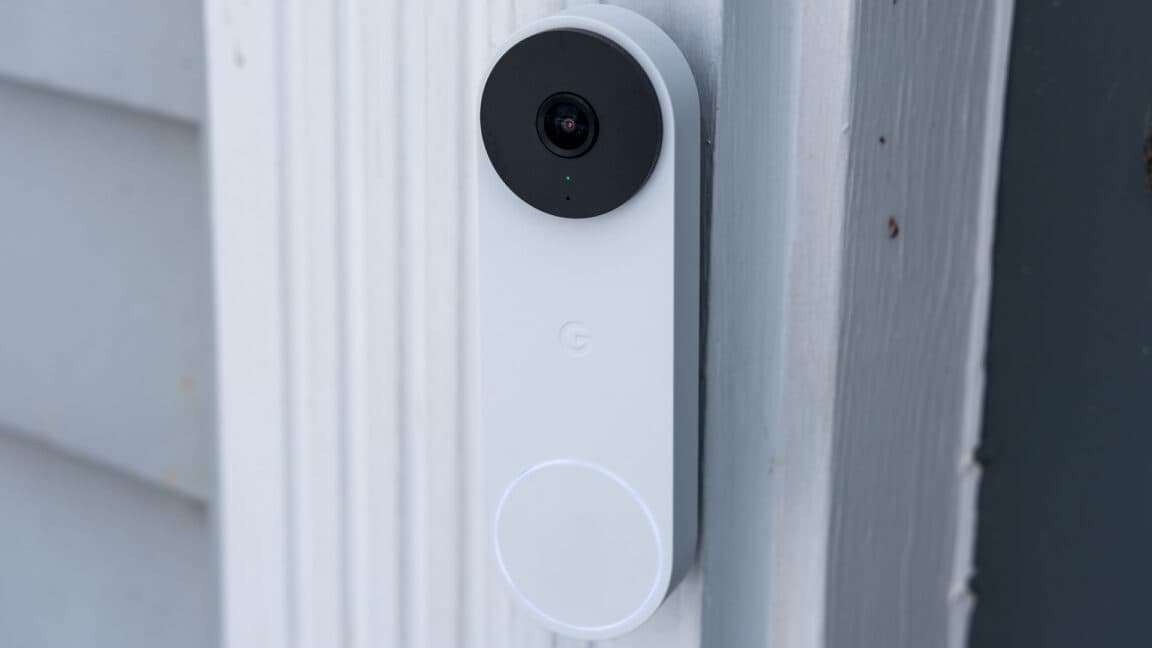
The tragic abduction of Nancy Guthrie has inadvertently exposed a critical detail about Google's Nest cameras: "deleted" video may not be truly gone. Despite Google's claims that unpaid accounts only retain three hours of event history, investigators recovered video footage from Guthrie's Nest doorbell camera that should have been purged, raising serious questions about data retention policies and user privacy.
Nest's Data Retention: What Really Happens?
Google's Nest cameras offer limited storage without a subscription. The Nest Aware service, which starts at $10 per month, provides 30 days of event video history. A $20 per month "Nest Aware Plus" subscription extends that to 60 days of event video history and 10 days of continuous video recording.The Illusion of Deletion
Google states that if you don't pay for Nest Aware, only three hours of event history are accessible. Once that window passes, the videos are supposedly deleted. However, the Guthrie case suggests that this data might linger on Google's servers for a longer, unspecified period.It is important to note that newer Nest cameras possess limited local storage capabilities, enabling them to temporarily cache video clips for a few hours when connectivity is interrupted. This feature, however, doesn't provide a true, long-term local storage solution.
While users cannot retrieve expired videos, even with a later subscription upgrade, the Guthrie case demonstrates the data isn't necessarily permanently erased.
The Guthrie Case: A Disturbing Revelation
Nancy Guthrie was abducted from her home on February 1st. Initially, investigators believed there was no video evidence because Guthrie wasn't a Nest Aware subscriber.However, on February 10th, video footage showing a masked individual tampering with the camera surfaced. This raises critical questions about how long Google retains video data and under what circumstances it can be accessed.
The fact that law enforcement was able to retrieve the footage, despite the account's lack of subscription, indicates a deeper level of data storage than Google publicly acknowledges.
What's Next
- Increased scrutiny of Google's data retention policies for Nest cameras.
- Potential lawsuits regarding data privacy and misleading deletion claims.
- Calls for greater transparency from Google about how long user data is stored, and who has access to it.
Why It Matters
- User Privacy: This incident erodes trust in Google's claims about data deletion and highlights potential privacy vulnerabilities.
- Data Security: The longer data is stored, the greater the risk of unauthorized access or breaches.
- Legal Implications: Google could face legal challenges if its data retention practices are found to be misleading or in violation of privacy laws.
- Ethical Considerations: Tech companies have an ethical responsibility to be transparent about how they handle user data, especially sensitive video footage.
- Industry Standards: This case should prompt a re-evaluation of data retention policies across the entire cloud-based security camera industry.
Source: Ars Technica
Disclosure: This article is for informational purposes only.