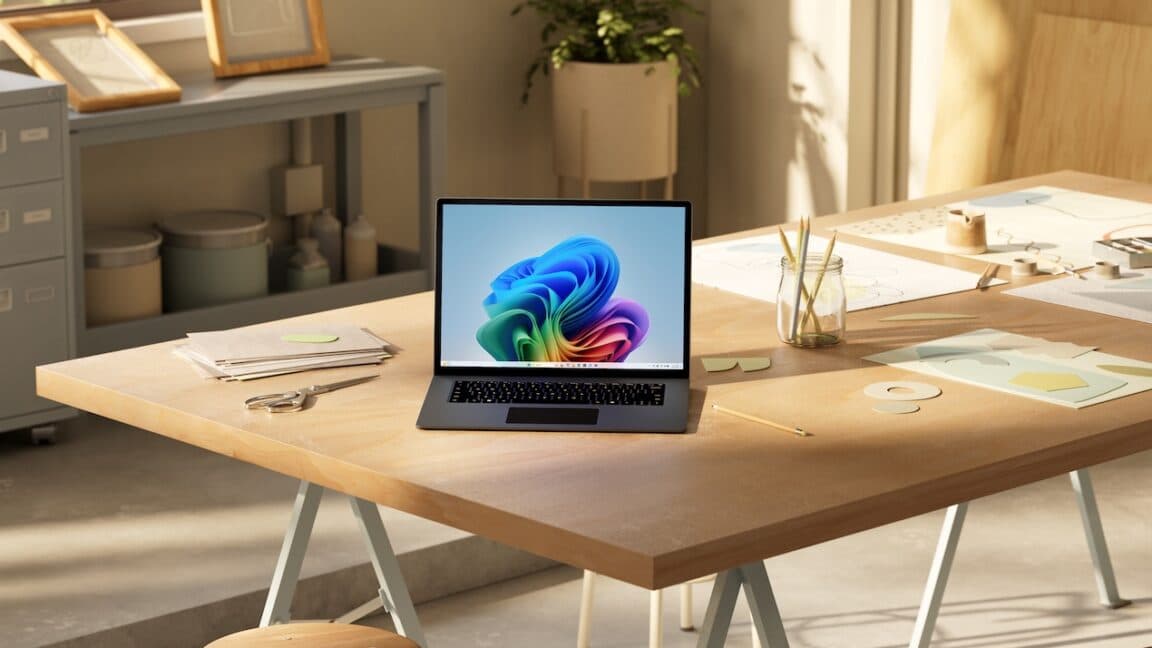
Microsoft is breaking its own Windows 11 update rules to optimize for new Qualcomm chips, leaving many users on older versions. This targeted approach signals a potential shift in how Microsoft delivers Windows, tailoring it to specific hardware rather than a one-size-fits-all update.
Windows 11 Gets a Chip-Specific Makeover
Microsoft has historically delivered annual feature updates to Windows 11, ensuring users have the latest features and security patches. Now, the company is deviating from this pattern with Windows 11 26H1, a "scoped" release. This version is not an update but essentially a separate OS build designed specifically for new PCs powered by Qualcomm's Snapdragon X2 Elite processors.A Tailored Experience for New Hardware
The decision to create a chip-specific Windows 11 version highlights Microsoft's focus on optimizing performance for emerging hardware. The Snapdragon X2 Elite chips promise enhanced AI capabilities and power efficiency, and Microsoft seems to be ensuring a seamless experience by tailoring the OS to these specific silicon features.This could mean better battery life, faster AI processing, and improved overall performance compared to running a generic version of Windows 11.
What About Existing Windows 11 Users?
For those currently running Windows 11 (versions 24H2 or 25H2), the 26H1 update will not be offered. Microsoft's support page confirms that these users will continue to receive updates and support for their respective versions. This may disappoint some users eager to try the latest features, but it ensures stability and avoids potential compatibility issues on older hardware.The Canary channel of the Windows Insider Program allows adventurous users to test 26H1 on non-Qualcomm hardware. However, this is primarily for testing and feedback purposes and not intended for everyday use.
Build Numbers and Versioning
Windows 11 26H1 build numbers start with 28000, differentiating it from 24H2 (build 26100) and 25H2 (build 26200). These distinct build numbers underscore that 26H1 is more than just a feature update; it’s a separate branch of the operating system.What's Next
- Monitor the performance and user feedback of Windows 11 26H1 on Snapdragon X2 Elite-based PCs.
- Observe if Microsoft extends this hardware-specific approach to future Windows releases with other chip manufacturers.
- Watch for announcements about how Microsoft plans to integrate new features from 26H1 into future broader Windows 11 updates (if at all).
Why It Matters
- Hardware Optimization: This move shows a growing trend toward deeper integration between hardware and software, which can lead to more efficient and performant devices.
- Future of Windows: This strategy could hint at a future where Windows becomes more modular and adaptable to different hardware configurations, rather than a monolithic OS.
- Qualcomm's Advantage: It gives Qualcomm a distinct advantage in the PC market, as their chips will launch with a version of Windows specifically optimized for them.
- User Segmentation: It creates a potential divide between users on the latest hardware and those on older systems, with the former potentially receiving exclusive features or performance benefits.
- Developer Considerations: Developers might need to consider hardware-specific optimizations to take full advantage of the capabilities offered by these specialized Windows versions.
Source: Ars Technica
Disclosure: This article is for informational purposes only.