Capcom’s highly anticipated sci-fi action game, Pragmata, launching this April, is preparing to immerse players in a chilling vision of AI-driven horror, as revealed in recent hands-on previews. The game challenges traditional enemy design by making players question the intent behind synthetic creations, mirroring real-world anxieties about artificial intelligence. It blends intricate hacking mechanics with visceral third-person combat on a desolate lunar station.
Pragmata diverges from typical sci-fi narratives by attributing its grotesque enemy and environment designs to an in-game AI, creating a uniquely unsettling atmosphere. Players navigate a desolate lunar research station as two characters, Hugh and Diana, combining gunplay with hacking to survive. This new intellectual property from Capcom aims to build on the company's recent success by injecting psychological horror into an action-packed, exploratory experience.
Unmasking Pragmata's AI-Driven Horrors
Capcom has been on a remarkable run, with Monster Hunter World becoming its best-selling game and Street Fighter 6 reinvigorating the franchise. The recent Resident Evil Requiem has further solidified this success, selling over 6 million copies and officially becoming the fastest-selling title in the series' history, according to Video Games Chronicle. This string of hits sets a high bar for Pragmata, Capcom's ambitious new entry into the sci-fi action genre.The game plunges players into a mysterious lunar research station, where the astronaut Hugh and the android Diana work in tandem. Hugh, clad in a bulky space suit, engages aggressive robots with his firearm. However, meaningful damage relies on Diana, who takes the form of a human child riding on Hugh’s back, to hack the robotic adversaries. This hacking involves a Pipe Dream-like minigame, requiring players to highlight tiles in the correct sequence while under relentless attack.
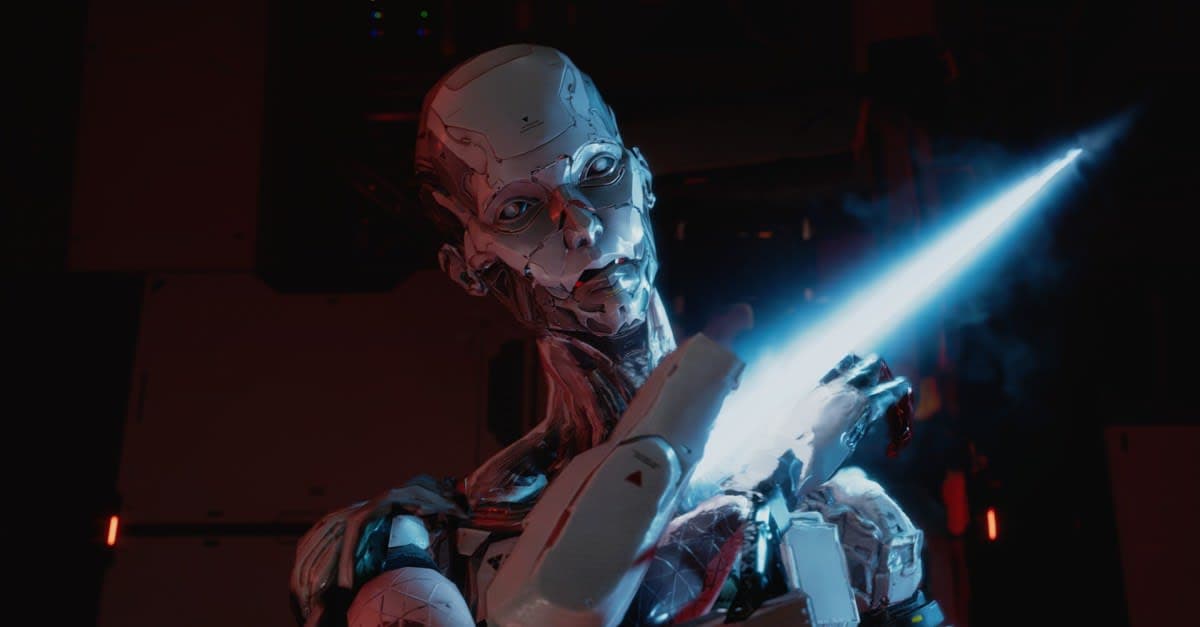
What truly distinguishes Pragmata is its intentional design to evoke unease, specifically by linking its horrors to artificial intelligence. Many enemies, despite being robots, possess a chilling presence. Director Yonghee Cho explained to The Verge that the idea behind their design is that "perhaps these robots were designed by AI, not humans." This concept extends to the game's environments, such as a strange, re-created city reminiscent of Times Square, where elements feel deliberately "wrong"—as if an AI poorly generated the space. Producer Naoto Oyama emphasized that these human-made errors are meant to simulate AI-induced imperfections, with no generative AI used in development.