Notion Unleashes AI Agent Hub in Workspace

Trending Society Staff··3 min read·2 sources·AI
Notion Unleashes AI Agent Hub in Workspace

Key Takeaways

  1. 1Notion launched a new developer platform on May 13, 2026, transforming its workspace into an AI agent hub and positioning itself as a central orchestration layer for human-AI collaboration.
  2. 2The platform introduces "Workers," a cloud environment for custom code, enabling live data sync from external databases like Salesforce and Zendesk, offered free until August.
  3. 3Users can now deploy custom AI agents with external data integration and logic, interacting with partners like Claude Code and Cursor, or connecting proprietary internal agents via API.
  4. 4This move marks a significant strategic pivot for Notion, evolving from a productivity app to core business infrastructure, directly challenging workflow automation platforms.
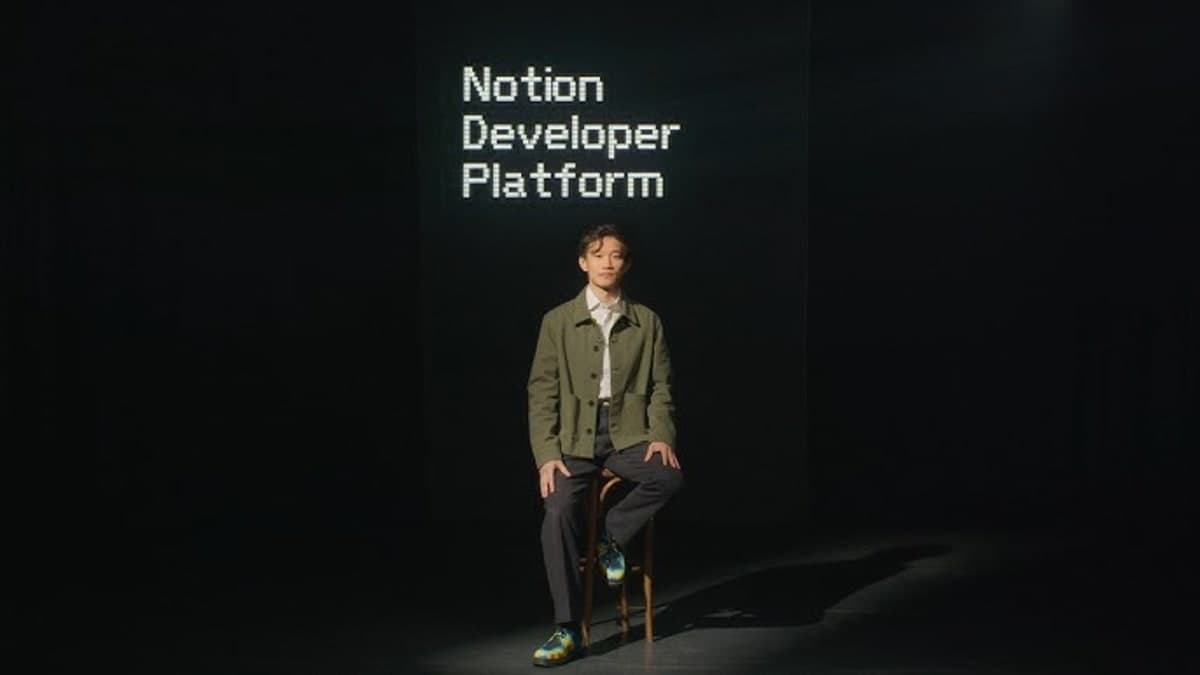
On May 13, 2026, Notion unveiled a new developer platform that transforms its collaborative workspace into a hub for AI agents, enabling custom agents to connect with external systems and automate multi-step workflows. This strategic expansion positions Notion as an orchestration layer for AI, moving beyond its note-taking origins to become a central hub for human-AI collaboration TechCrunch reports.

Notion first introduced its Custom Agents in February, allowing users to automate repetitive tasks such as answering FAQs or compiling status updates. Since then, users have created over 1 million agents within the platform. However, these initial agents had limitations, lacking the ability to integrate external data or execute custom logic.

How Does Notion Enable External AI Agents?

To address these limitations, Notion introduced "Workers," a cloud-based environment that allows customers to deploy their own custom code. This secure sandbox environment enables teams to sync data into Notion, build bespoke tools, and trigger actions via webhooks without needing external infrastructure.

Workers also power Notion's new database sync feature, which pulls live data from any API-enabled database directly into Notion. This means users can integrate information from platforms like Salesforce, Zendesk, or Postgres, ensuring their Notion databases remain up-to-date. Notion offers this service for free through August to encourage developer experimentation.

This new capability allows for the creation of agent tools with custom logic, supporting complex integrations that go beyond standard protocols like Model Context Protocol (MCP). Notion highlights that AI coding agents can even assist in writing this custom code.

What Capabilities Does the Developer Platform Offer?

The updated platform enables users to directly chat with and assign tasks to external AI agents, tracking their progress within the Notion workspace. Initially, supported partner agents include Claude Code, Cursor, Codex, and Decagon, with plans to expand this roster.

For businesses with specific needs, an External Agent API allows them to connect their own internal AI agents directly with Notion. Developers can access and manage these new features through the Notion CLI (command-line interface), which is available across all of the company's plans.

Notion's co-founder and CEO, Ivan Zhao, acknowledged the company's past focus, stating, "It’s true that, historically, Notion hasn’t been the most developer-focused platform. But things are changing." This marks a significant strategic shift, transforming Notion from a standalone application into a programmable platform.

This move positions Notion to compete directly with other workflow automation platforms, as businesses increasingly seek to integrate AI into their operations. By unifying agents, custom code, and live data in a single environment, Notion transitions from a productivity app to core business infrastructure, aligning with the broader industry trend of moving beyond simple AI chatbots to agentic tools that facilitate actions across diverse software ecosystems.


FAQ

Notion's new developer platform, launched on May 13, 2026, transforms its collaborative workspace into a central hub for AI agents, enabling them to connect with external systems and automate multi-step workflows. This strategic move positions Notion as an orchestration layer for AI, moving beyond its traditional note-taking functions.

Notion integrates external data and custom logic using "Workers," a cloud-based environment where users can deploy custom code in a secure sandbox. This allows for syncing live data from API-enabled databases like Salesforce or Zendesk directly into Notion, and building bespoke tools that trigger actions via webhooks.

Notion's new platform supports interaction with various external AI agents, including partner agents like Claude Code, Cursor, Codex, and Decagon. Additionally, businesses can connect their own internal AI agents directly with Notion using the External Agent API.

Notion is making this strategic shift to evolve from a productivity app into core business infrastructure, competing with other workflow automation platforms. By unifying agents, custom code, and live data, Notion aims to facilitate actions across diverse software ecosystems and become a central hub for human-AI collaboration.

Related Articles

More insights on trending topics and technology

Newsletter

We read 100+ sources so you don't have to.

One email. Delivered weekly. The AI and tech stories actually worth your time.