Why the Supreme Court's Silence Speaks Volumes on AI Art Copyright
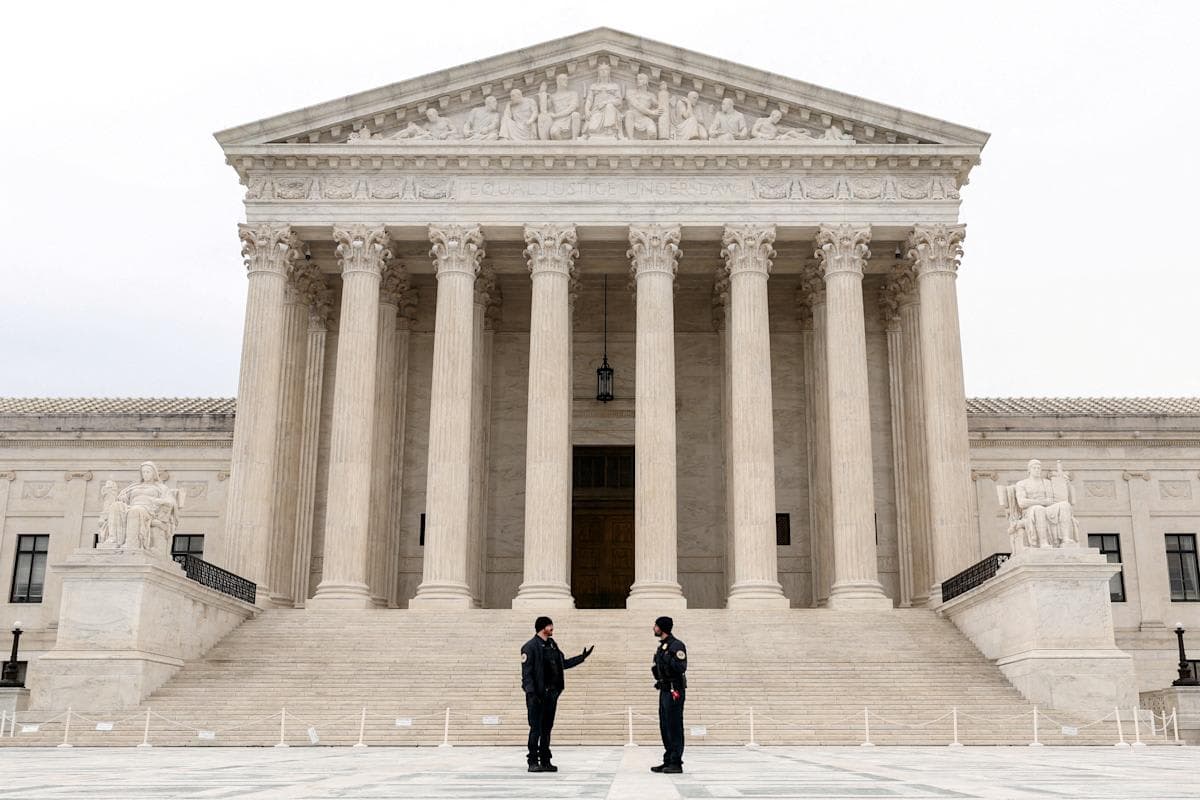
The legal battle over AI-generated art reached a critical juncture when the U.S. Supreme Court refused to consider an appeal regarding the copyrightability of artworks produced solely by artificial intelligence. This refusal means that a federal judge's and a U.S. Court of Appeals' earlier decisions stand: only works created by a human author are eligible for copyright protection. The core of the issue stems from a 2018 application by computer scientist Stephen Thaler, who sought to copyright an artwork titled "A Recent Entrance to Paradise," generated by an AI system he created.The U.S. Copyright Office rejected Thaler's application in 2022, citing the absence of human authorship. Thaler pursued appeals through the court system, arguing that his AI system, dubbed Creativity Machine, should be considered the author, or at least that he, as the system's creator, should hold the copyright. Yet, the Supreme Court's decision not to intervene effectively reinforces the status quo, leaving AI creators without a clear path to federal copyright protection for their non-human-assisted works, according to Engadget.