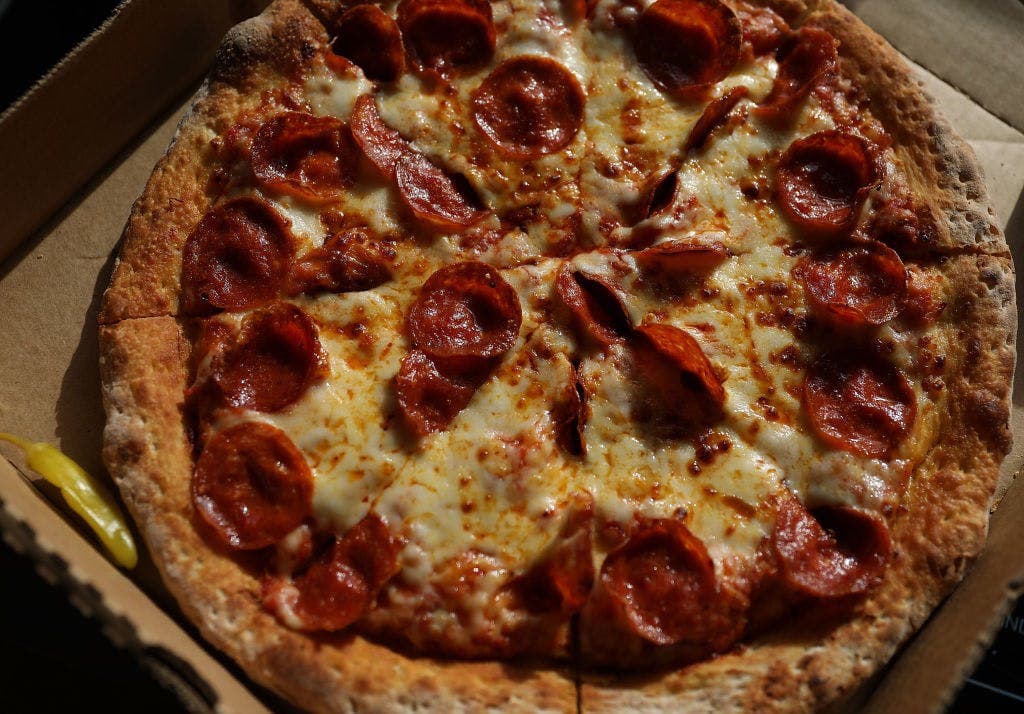
The proposed deal values Papa John’s International at approximately $1.5 billion. This move comes just weeks after the company announced plans to close around 300 underperforming stores, highlighting the operational challenges it faces. The offer represents a significant premium over the stock's recent closing price, suggesting the investment fund sees deep value in the brand's potential turnaround.
You're probably looking at the numbers and thinking this is a straightforward win for shareholders. But the history is more complex. Last year, Irth Capital participated in a joint bid with Apollo Global Management for $60 per share. Later, Apollo made a solo bid for $64 per share before ultimately withdrawing the offer. The current $47 offer, while a substantial premium today, is notably lower than what was on the table before.
The obvious question: why would the company consider a lower offer now? The answer lies in the mounting competitive pressure and the need for a radical strategic shift away from the harsh scrutiny of public markets.
But that's not even the most interesting part. The real story is the market environment forcing this move.
Going private would allow the company's management to execute a difficult turnaround, including its recently announced store closures, without the quarterly pressure of satisfying public shareholders. It's a classic private equity playbook: buy a struggling but well-known brand, streamline operations, and prepare it for a future sale or IPO once it's on healthier footing.
| Metric | Papa John's (PZZA) | Domino's (DPZ) |
|---|---|---|
| Market Cap | $1.2B | $13.3B |
| P/E Ratio | 40.13 | 22.52 |
For Current Shareholders
The $47 offer represents a significant gain over recent lows, but it's much lower than last year's $60+ bids. The decision for investors is whether to take this certain premium now or hold out, betting that either a higher offer emerges or the current management can execute a public turnaround.
For Consumers and Franchisees
A private Papa John's could lead to aggressive changes in menu, marketing, and operations. Franchisees may face new corporate directives as the company restructures to compete more effectively with Domino's.
For Market Watchers
This bid is a clear signal that private equity sees value in distressed consumer brands. If this deal succeeds, it could trigger a search for similar takeover targets in the fast-food sector that are trading below their historical valuations.
Irth Capital, a Qatari-backed investment fund, has bid $47 per share to take Papa John's private. This values the pizza chain at approximately $1.5 billion and caused Papa John's stock to jump over 19% upon the announcement.
Irth Capital believes in the long-term viability of the Papa John's brand and wants to execute a turnaround strategy without the pressures of being a public company. Going private would allow management to streamline operations, including closing underperforming stores, and prepare the company for a potential future sale or IPO.
Domino's is significantly larger than Papa John's, with a market capitalization of $13.3 billion compared to Papa John's $1.2 billion. Domino's also opened 700 new stores globally last year, highlighting the competitive gap between the two pizza chains.
Yes, Irth Capital has made previous attempts to take Papa John's private. Last year, Irth Capital participated in a joint bid with Apollo Global Management for $60 per share, and Apollo later made a solo bid for $64 per share before withdrawing the offer.
The current $47 per share offer is lower than previous bids due to increased competitive pressure and the need for a strategic shift away from the scrutiny of public markets. Papa John's faces a fiercely competitive market dominated by rivals like Domino's, making a turnaround more challenging as a public company.
More insights on trending topics and technology