The selection of Phoenix and Dallas is deliberate, as these cities present unique conditions vital for developing robust autonomous driving systems. Phoenix, with its desert environment, offers a challenging testing ground for vehicle sensors and battery systems against extreme heat and dust, according to Axios. The city's high-speed roads also provide critical data for refining driving software.
Dallas, similarly, provides a different urban sprawl and street layouts compared to the denser metropolitan areas where Zoox has primarily tested so far. This diversity in testing environments is crucial for training the artificial intelligence models that power autonomous vehicles, ensuring they can safely navigate a wide array of real-world scenarios. The company's focus remains on data collection and the continuous refinement of its autonomous systems before wider commercial deployment.
To support its expanding fleet operations, Zoox is also opening a third "Fusion Center" facility in Scottsdale, Arizona. This center will serve as a command hub, providing remote assistance and coordinating operations for its vehicles. The expansion places Zoox in direct competition with other major players in the autonomous vehicle space, such as Alphabet's Waymo, which recently reached its 10th public market, and Tesla's Robotaxi, which plans to enter six new markets in the first half of the year.
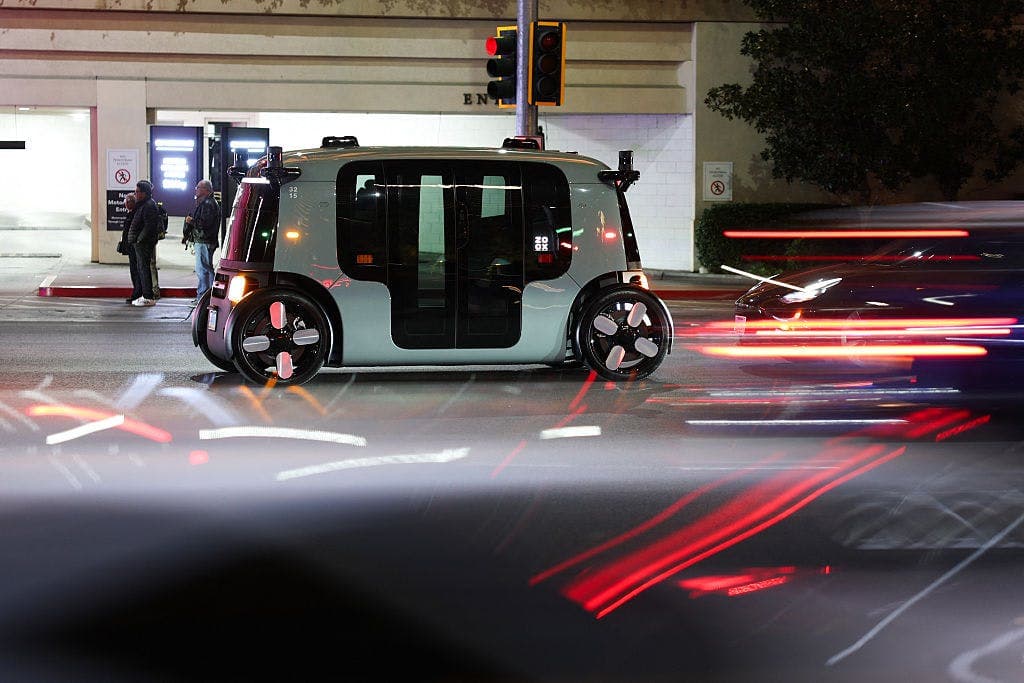
Amazon's Zoox is expanding its self-driving taxi testing to 10 U.S. markets, including Phoenix and Dallas. Zoox already has operations in Las Vegas, a pilot program in the Bay Area, and testing in cities like Seattle, Austin, and Miami. The expansion aims to gather critical real-world data in diverse environments to refine its self-driving technology.
Zoox is testing in Phoenix and Dallas to expose its technology to unique geographical and environmental challenges. Phoenix, with its desert environment, offers a challenging testing ground for vehicle sensors and battery systems against extreme heat and dust. Dallas provides a different urban sprawl and street layouts compared to the denser metropolitan areas where Zoox has primarily tested.
Zoox is initially deploying retrofitted Toyota Highlander SUVs with safety drivers in Phoenix and Dallas. These vehicles are used to map select neighborhoods, laying the groundwork for more advanced autonomous testing. The ultimate goal is to introduce Zoox’s distinctive steering-wheel-less, purpose-built vehicles for public ride-hailing services in these new markets.
Zoox supports its expanding fleet operations by opening "Fusion Center" facilities, including one in Scottsdale, Arizona. These centers serve as command hubs, providing remote assistance and coordinating operations for its vehicles. This infrastructure is crucial for managing and refining the autonomous systems as Zoox expands its testing and deployment.
Zoox faces competition from other major players in the autonomous vehicle space, such as Alphabet's Waymo and Tesla's Robotaxi. Waymo recently reached its 10th public market, while Tesla plans to enter six new markets in the first half of the year. These companies are all vying for a share of the growing robotaxi market.
More insights on trending topics and technology