Best Alternatives to Google's Android OS (2026), Tested
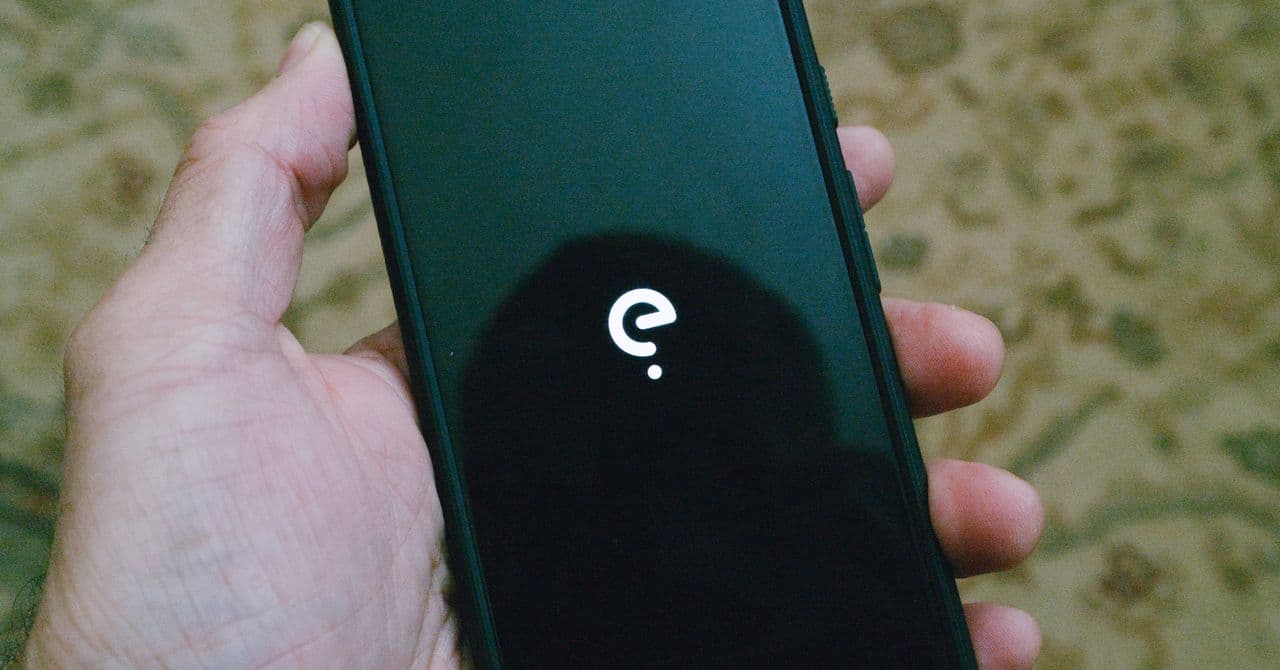
Android's dominance isn't total, and for users seeking alternatives that prioritize privacy or customization, options exist. While iOS remains a popular alternative, several Linux-based systems are emerging; however, none are quite ready for mainstream use. Murena's /e/OS version of the Fairphone 6 and GrapheneOS offer viable "de-Googled" experiences, catering to users wary of Google's data collection.
The Quest for Android Alternatives
Android's open-source nature allows for modifications, but creating a seamless user experience without Google's services is challenging. Most Android forks still rely on device-specific drivers and Google's Play Services application programming interfaces (APIs) for core functionality [1]. For those seeking alternatives, the options are limited.
De-Googled Options: /e/OS and GrapheneOS
Murena's /e/OS version of the Fairphone 6 stands out as a user-friendly, de-Googled experience [1]. The bootloader is locked, and Google services are absent by default, although the Play Store can be installed as a sandboxed app. GrapheneOS is another option that offers strong privacy features to limit how apps access your data [1].
The Promise of Linux-Based Systems
Linux-based phone systems like SailfishOS aim to provide open-source alternatives to Android. The article notes that in testing, none of the Linux-based operating systems are ready to be your everyday device.
Android 17: Continuous Updates and Beta Release
Google is changing how it releases Android updates with Android 17, adopting a continuous "Canary channel" for developers. This approach, similar to Chrome's development, aims to provide quicker updates and reduce fragmentation in the Android ecosystem. The first Android 17 beta is available for Pixel devices.
Android Canary and Platform Stability
The Android Canary channel allows Google to test "cutting-edge builds" with pre-release APIs and potential behavior changes. Platform stability is targeted for March, with the final Android 17 release expected in Q2 2026. Google hopes this new system gives device makers time to roll out the latest version more quickly.
Open Source Gems
Users looking to escape subscription models within Android can find viable alternatives. The Nextcloud Android app showcases the advancements in open-source design. Apps like Super Productivity offer smooth experiences for task management, while Thunderbird for Android brings desktop-class emailing to mobile.
What's Next
Keep an eye on the Android Canary channel for ongoing updates to Android 17 and its features. The platform stability release is expected in March, followed by the full Android 17 release in Q2 2026. Also, observe how Murena and GrapheneOS evolve in providing user-friendly, de-Googled Android experiences.
Why It Matters
Privacy: Alternatives like GrapheneOS address growing privacy concerns by limiting app access to user data, offering a more controlled mobile experience.
Customization: Open-source options enable users to customize their mobile experience beyond the constraints of stock Android or iOS.
Update Speed: Google's Android 17 continuous release plan aims to reduce fragmentation by giving device makers more time to integrate updates, potentially leading to faster updates for users.
De-Googling:Murena's /e/OS provides an option for users wanting to completely remove Google services from their phones [1].