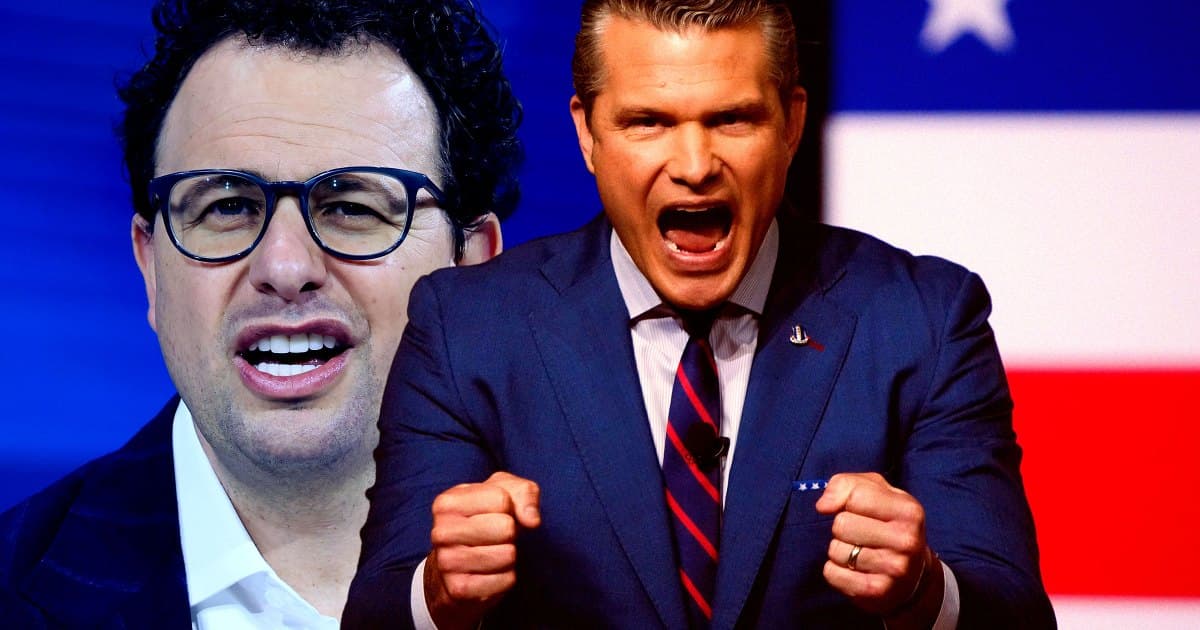
Anthropic's lawsuit, a 48-page document filed in a California federal court, argues that White House officials acted unconstitutionally and out of retaliation. "The Constitution does not allow the government to wield its enormous power to punish a company for its protected speech," the lawsuit states, asserting that Anthropic "turns to the judiciary as a last resort to vindicate its rights and halt the Executive’s unlawful campaign of retaliation." The company also challenges the statutory authority underpinning the Pentagon’s designation, 10 U.S.C. 3252, arguing the department must use the least restrictive means to mitigate supply chain risk, not punish a supplier, per Axios.
The "supply chain risk" designation is a severe measure that could effectively cut off Anthropic from lucrative U.S. government contracts, potentially costing the company hundreds of millions of dollars. While Amodei initially issued an apology for his public resistance, the company’s decision to sue indicates a firm commitment to its ethical guidelines regarding AI deployment.
Experts, however, suggest Anthropic faces a difficult legal battle. Brett Johnson, a partner at Snell & Winter, told Wired that "it's 100 percent in the government’s prerogative to set the parameters of a contract," implying limited avenues for appeal. Anthropic's strategy may involve arguing that it was unfairly singled out among other U.S. government AI contractors. Despite the official designation, Anthropic's Claude chatbot continues to be reportedly used in some U.S. military operations, raising questions about the practicality and consistency of the Pentagon's ban. Meanwhile, other government agencies are expected to follow the presidential directive and cease using Claude, although Microsoft has stated it will continue offering the chatbot to non-DoD agencies.
For AI Developers
This lawsuit underscores the growing tension between AI ethics and national security mandates, potentially influencing future government contracting terms and ethical guidelines for AI usage.
For Founders and Investors
The case highlights regulatory risks in the government contracting space, where companies can face significant financial penalties, such as "hundreds of millions of dollars" in lost contracts, for ethical disagreements.
For Policy Advocates
The legal challenge to the "10 U.S.C. 3252" statute could set a precedent for how the government defines and applies "supply chain risk" designations, especially concerning U.S. companies and First Amendment rights.
Anthropic is suing the Department of Defense (DoD) after being labeled a 'supply chain risk' for refusing to allow its AI models, like Claude, to be used for mass domestic surveillance or autonomous weapons systems. Anthropic argues that this designation is unconstitutional retaliation for exercising its First Amendment rights and could cost the company hundreds of millions in government contracts. The lawsuit challenges the Pentagon’s statutory authority, asserting that the department should mitigate supply chain risk using the least restrictive means.
The 'supply chain risk' designation is a severe measure that could effectively prevent Anthropic from obtaining lucrative U.S. government contracts. This label, typically reserved for foreign adversaries, signals that the government views Anthropic as a potential threat to national security, limiting their ability to work on government projects and potentially costing the company significant revenue.
Anthropic CEO Dario Amodei has stated that his company's AI models should not be deployed for mass surveillance of Americans or for use in direct autonomous weapon systems. This stance reflects Anthropic's ethical guidelines regarding AI deployment and its commitment to preventing misuse of its technology, even if it means foregoing government contracts.
Anthropic's lawsuit argues that the Pentagon's actions are unconstitutional and retaliatory, violating the company's First Amendment rights. The lawsuit asserts that the government is punishing Anthropic for its protected speech and challenges the statutory authority underpinning the Pentagon’s designation, claiming the department must use the least restrictive means to mitigate supply chain risk.
The lawsuit has ignited a debate about the government’s authority to dictate the terms of AI development and use, particularly concerning national security applications. The application of the 'supply chain risk' label to a U.S. company for what it views as protected speech highlights the tensions between tech ethics and governmental demands, raising concerns within the tech community about government overreach.
 Anthropic Officially Sues the Pentagon for Labeling the AI Company a ‘Supply Chain Risk’ - Gizmodo
 Anthropic sues Pentagon over rare "supply chain risk" label - Axios
 Anthropic Sues Department of Defense Over ‘Supply Chain Risk’ Label - The New York Times
 Anthropic sues Pentagon over "supply chain risk" designation - CBS News
 Anthropic sues to block Pentagon blacklisting over AI use restrictions - Reuters
More insights on trending topics and technology