Anthropic has reportedly re-engaged in negotiations with the U.S. Department of Defense to resolve a bitter dispute over the ethical application of its AI models. These discussions are critical to prevent the government from designating Anthropic as a national security "supply chain risk" and focus on establishing clear guardrails against using the company's powerful AI for mass surveillance or autonomous weapons.
Anthropic, which had previously signed a two-year, $200 million agreement with the department in 2025, refused to comply with the Pentagon’s demands. This refusal prompted the agency to threaten the cancellation of the existing contract and to brand the company a "supply chain risk" . This designation, typically applied to foreign entities, signaled a severe escalation. Despite the order to stop use, a "six-month phase-out period" reportedly allowed the government to continue using Anthropic’s AI tools for a transitional period.
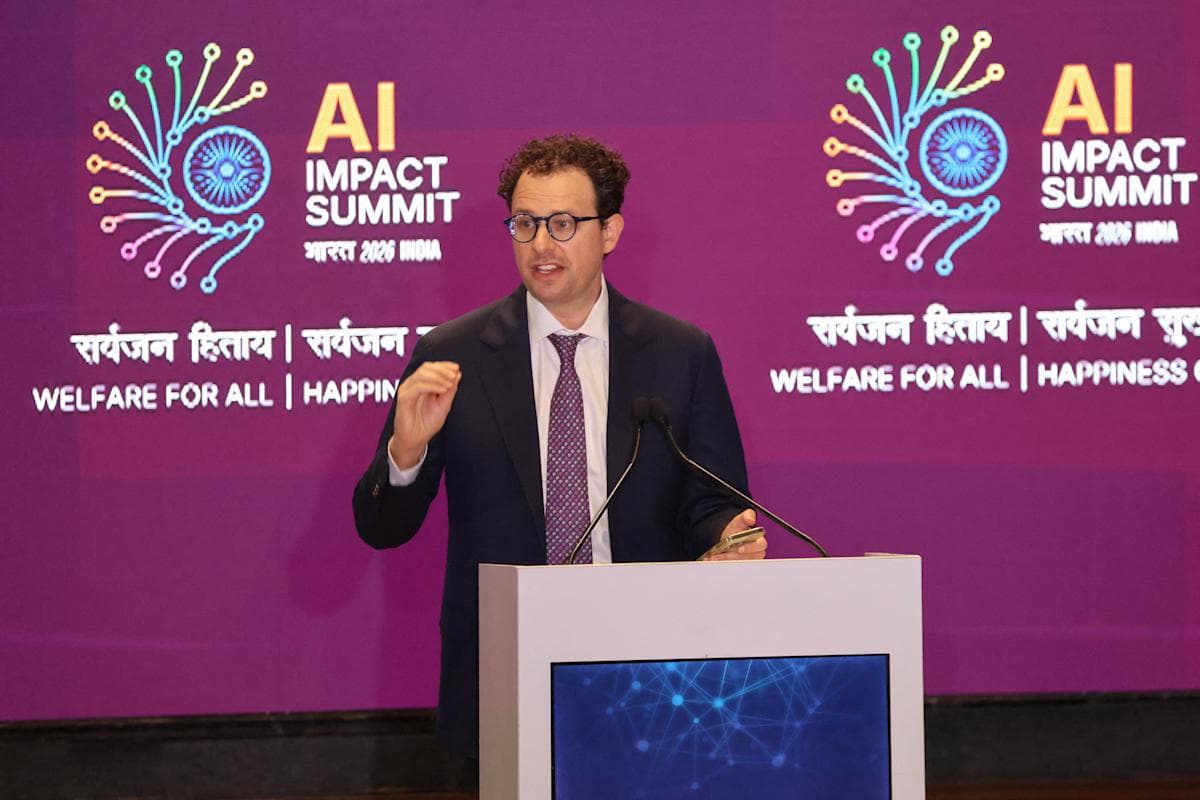
Shortly after news of Anthropic's difficulties with the agency surfaced, OpenAI announced that it had reached its own agreement with the Department of Defense. Altman stated publicly that he had told the government Anthropic shouldn't be labeled a supply chain risk. During an Ask Me Anything (AMA) session on X (formerly Twitter), Altman remarked that while he didn't know the specifics of Anthropic's contract, he believed if it was similar to OpenAI's, Anthropic should have agreed. Subsequently, OpenAI committed to amending its deal with language that explicitly prohibits the use of its AI system for mass surveillance against Americans. However, when addressing the military's broader operational use of its technology, Altman reportedly told staffers that the company doesn't "get to make operational decisions."
These internal and external pressures reflect a broader debate within Silicon Valley regarding the responsibility of AI developers when their powerful tools are adopted by military and government agencies. The potential for AI to be used in ways that developers deem unethical or harmful is a constant concern, prompting calls for clearer limits and stronger oversight on how these technologies interact with national security objectives. The resolution of Anthropic’s negotiations could set an important precedent for future engagements between AI developers and defense organizations.
For Developers
The ongoing negotiations highlight the critical need for explicit ethical guidelines within AI development, especially when engaging with government or defense contracts. Anthropic's pushback on "analysis of bulk acquired data" could inspire other companies to bake similar safeguards into their terms of service, setting a new standard for responsible AI deployment.
For Founders
Navigating the ethical implications of powerful AI tools, particularly regarding surveillance and autonomous applications, will become increasingly central to business strategy. Anthropic's `$200 million deal` dispute demonstrates that revenue opportunities may come with significant ethical trade-offs and reputational risks if core values are compromised.
For Tech-Curious Professionals
This situation illustrates the complex interplay between advanced technology, national security, and corporate ethics. The "six-month phase-out period" for government use, despite the initial contract termination, underscores how deeply integrated AI has become and the practical challenges of disentangling these technologies once deployed.
More insights on trending topics and technology