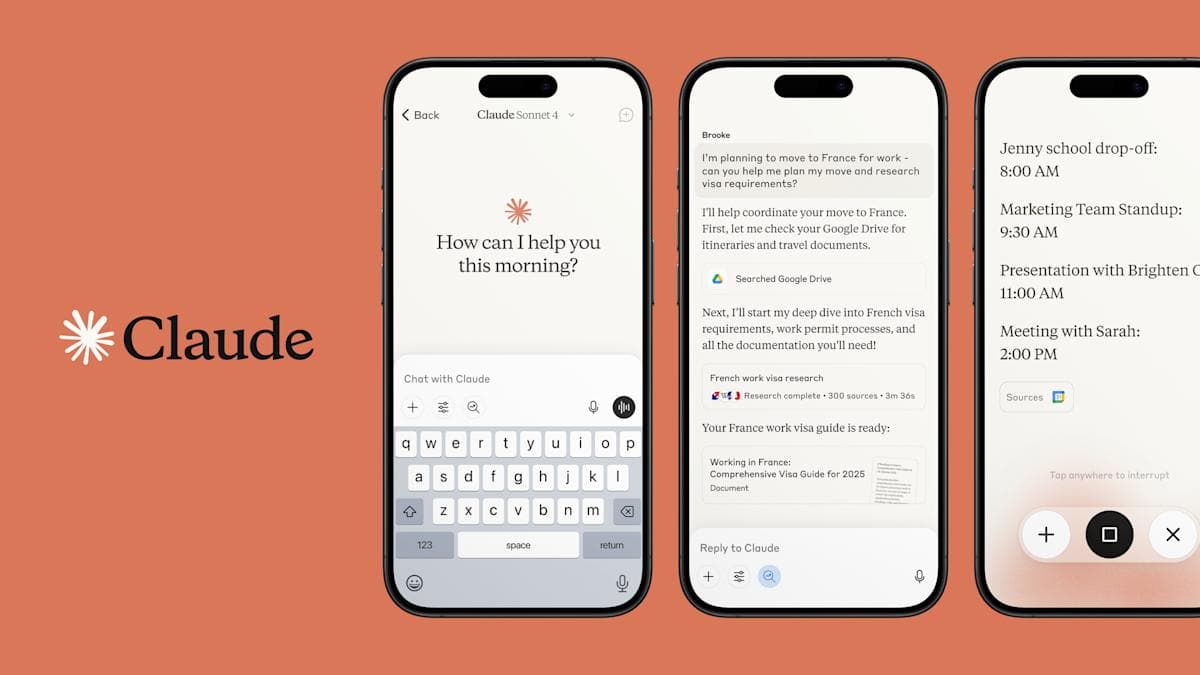
Anthropic has made its AI chatbot Claude's memory feature available to all free users, previously a paid-only capability. This move, coupled with a new data import tool, aims to attract users switching from rival AI platforms. The update capitalizes on Claude's recent surge in popularity and market mindshare, occurring shortly after a high-profile dispute with the US Department of Defense.
The memory feature was first introduced in August of last year, gaining the ability to compartmentalize (organize and manage distinct sets of memories) in the fall . This progression from paid to free access highlights a strategic shift to expand Claude's user base and enhance its appeal against competitors.
The timing of these updates is no accident.Claude's free active users have grown more than 60%, and daily sign-ups have quadrupled since January, according to Anthropic. This surge in interest underscores the market's receptiveness to alternatives and reinforces Anthropic's aggressive play for market share.
US Defense Secretary Pete Hegseth labeled Anthropic a "supply chain risk" after the company refused to sign a contract that would permit the Pentagon to utilize Anthropic's models for mass surveillance against Americans and in fully autonomous weapons. Anthropic has vowed to challenge this designation, taking a strong ethical stance that has resonated with a segment of the tech-savvy public.
This ethical stand, while potentially costly in government contracts, has seemingly fueled public interest and user adoption, creating a unique market dynamic where ethical considerations directly influence market share.
| Feature | Before Update (Free Users) | After Update (Free Users) |
|---|---|---|
| Conversation Memory Retention | No | Yes |
| Memory Import Tool | No | Yes |
| Memory Pause/Delete Options | N/A | Yes |
This table illustrates the substantial enhancement of Claude's free offering, effectively bringing capabilities previously reserved for paid users to a wider audience. It positions Claude as a more robust and sticky option for everyday AI interactions.
For Developers
Integrating Claude into applications now offers persistent memory for free users, potentially simplifying state management in conversational interfaces and allowing for more complex, multi-turn interactions without requiring a paid subscription.
For Founders
The enhanced free tier provides an opportunity to test and build proofs-of-concept with a powerful, context-aware AI chatbot without initial investment in premium features, potentially accelerating development cycles for new AI-powered products or services.
For Tech-Curious Professionals
You can now engage with Claude more effectively for long-term projects or personal knowledge management, as the AI will remember past discussions, making it a more powerful and reliable free tool for research, writing, or creative tasks.
Claude's memory feature allows the AI chatbot to retain context from past conversations, leading to more coherent and personalized interactions. Users can enable this feature in their settings, and they have the option to pause it while preserving memories or completely delete them from Anthropic’s servers.
Yes, Claude's memory feature is now available to all free users. Previously, this capability was exclusive to paid subscribers, but Anthropic has now made it accessible to everyone as part of a strategic shift to expand Claude's user base.
Anthropic has introduced a new tool to simplify switching to Claude from other AI platforms. Users can copy a pre-written prompt into their existing chatbot, then paste the output back into Claude's memory settings, allowing them to bring their conversational history with them.
Claude's free active users have grown significantly, with daily sign-ups quadrupling since January. This surge in interest is due to the market's receptiveness to alternatives and Anthropic's aggressive play for market share, as well as the company's ethical stance against using its models for mass surveillance and autonomous weapons.
Anthropic has taken a strong ethical stance, refusing to sign a contract with the US Department of Defense that would permit the use of its models for mass surveillance and in fully autonomous weapons. This decision, while potentially costly in government contracts, has resonated with a segment of the tech-savvy public.
More insights on trending topics and technology