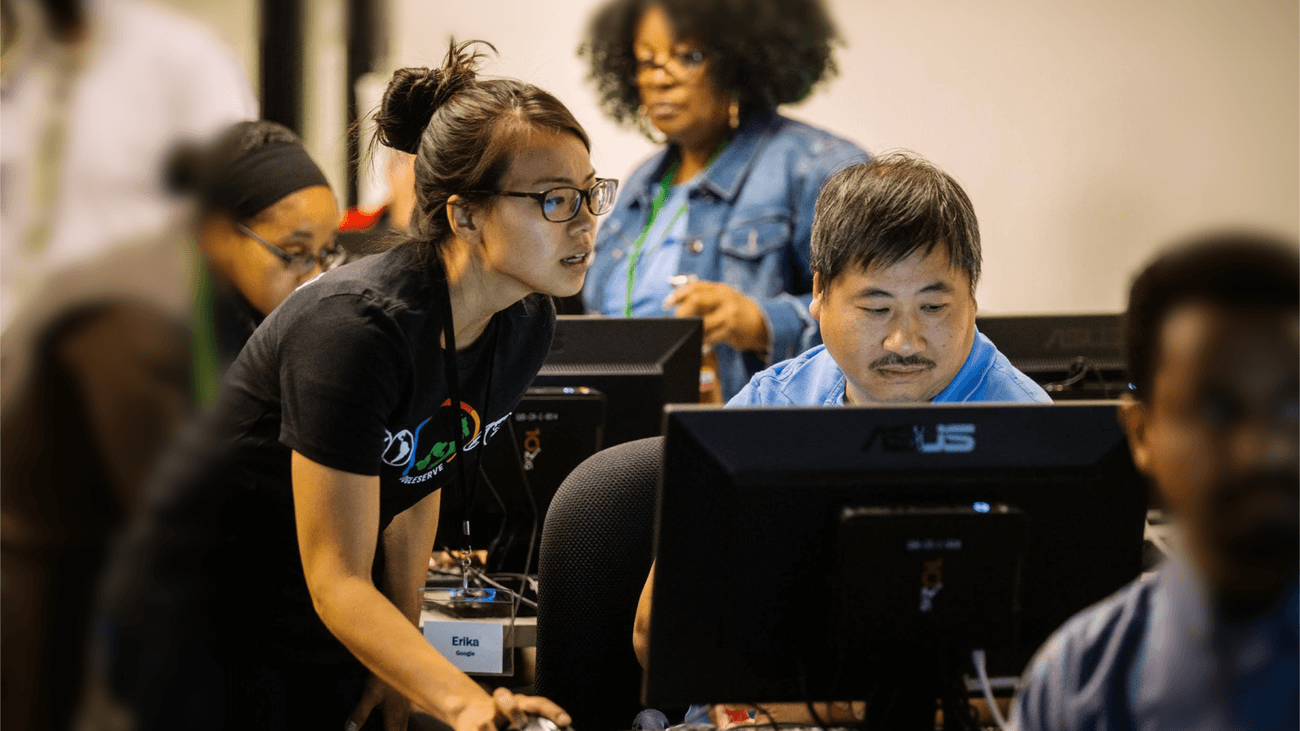
Google.org has invested over $150 million into digital upskilling initiatives across Europe over the last five years, reaching millions and now offering critical lessons for the rapidly evolving AI era, according to its recent report. This significant commitment aimed to bridge digital skills gaps for underserved communities, and its findings highlight how targeted, adaptive training is crucial as artificial intelligence reshapes global workplaces. The insights gleaned from partnering with 70 organizations across 41 countries are now informing Google's new AI-focused efforts, including the AI Opportunity Fund.
Second, successful upskilling balances specific technical training with fostering a growth mindset. The fast pace of AI innovation demands that individuals not only learn new skills but also develop the adaptability to continuously learn throughout their careers. TSL (The Finnish Workers' Educational Association) observed that 69% of participants in its SkillPlus program continued developing digital skills even after the program concluded. Mentorship and peer networks are vital, creating self-sustaining learning ecosystems where alumni become educators, as seen at Czechitas, where alumni comprise 40% of the educator community.
Third, the initiative emphasizes building programs for the long term. By offering flexible funding, Google.org enables local nonprofits to establish robust, resilient programs and infrastructure that can adapt as technology evolves. This approach ensures sustained impact beyond initial grant periods. Finally, the effort aims to influence the system, extending beyond individual training to shaping broader policy and infrastructure. Ukraine’s Diia.Osvita platform, for example, evolved from a local project into national digital infrastructure now serving 52% of adults, demonstrating the power of risk-free funding for innovative ideas. Liza Ateh, Head of Google.org EMEA, stated that "real impact happens when nonprofits, companies and governments work together." This collaborative model is essential to closing the AI skills gap at scale.
For Job Seekers
Prioritize programs that offer comprehensive wraparound support (e.g., help with living costs, tech access) and cultivate a "growth mindset" for continuous learning, not just specific technical skills. Look for opportunities that emphasize adaptability over static knowledge.
For Employers
Invest in re-skilling initiatives that are context-specific and build long-term learning infrastructure within your organization. Encourage mentorship and peer learning networks to create a self-sustaining culture of skill development that can evolve with AI.
For Policy Makers & Nonprofits
Focus on developing systemic solutions by collaborating with private companies and governments. Utilize flexible funding to test innovative training models that can scale into national infrastructure, addressing the AI skills gap broadly and sustainably.
Google.org has invested $150 million in digital upskilling initiatives across Europe over the last five years. This investment reached millions of people and is now informing Google's AI-focused efforts, including the AI Opportunity Fund. The funds were used to bridge digital skills gaps for underserved communities.
Google.org's initiatives emphasize tailoring programs to specific community needs, teaching adaptability and a growth mindset, providing flexible long-term funding, and fostering cross-sector collaboration. Programs must solve for context, balancing technical training with adaptability. Long-term funding strengthens program infrastructure.
AI is rapidly changing job requirements, with new AI features collapsing multi-hour tasks into minutes. This shift emphasizes the importance of re-skilling and upskilling the workforce. Some experts believe AI will create more jobs than it eliminates, highlighting the need for adaptation and training.
Wraparound support includes assistance with living costs and technology access, and it significantly boosts program completion rates. For example, INCO saw program completion rates double when wraparound support was provided. This type of support addresses barriers that prevent individuals from completing training programs.
Google.org offers flexible, long-term funding to build sustainable programs. They also emphasize mentorship and peer networks to create self-sustaining learning ecosystems. For example, at Czechitas, alumni comprise 40% of the educator community, demonstrating the impact of long-term engagement.
More insights on trending topics and technology