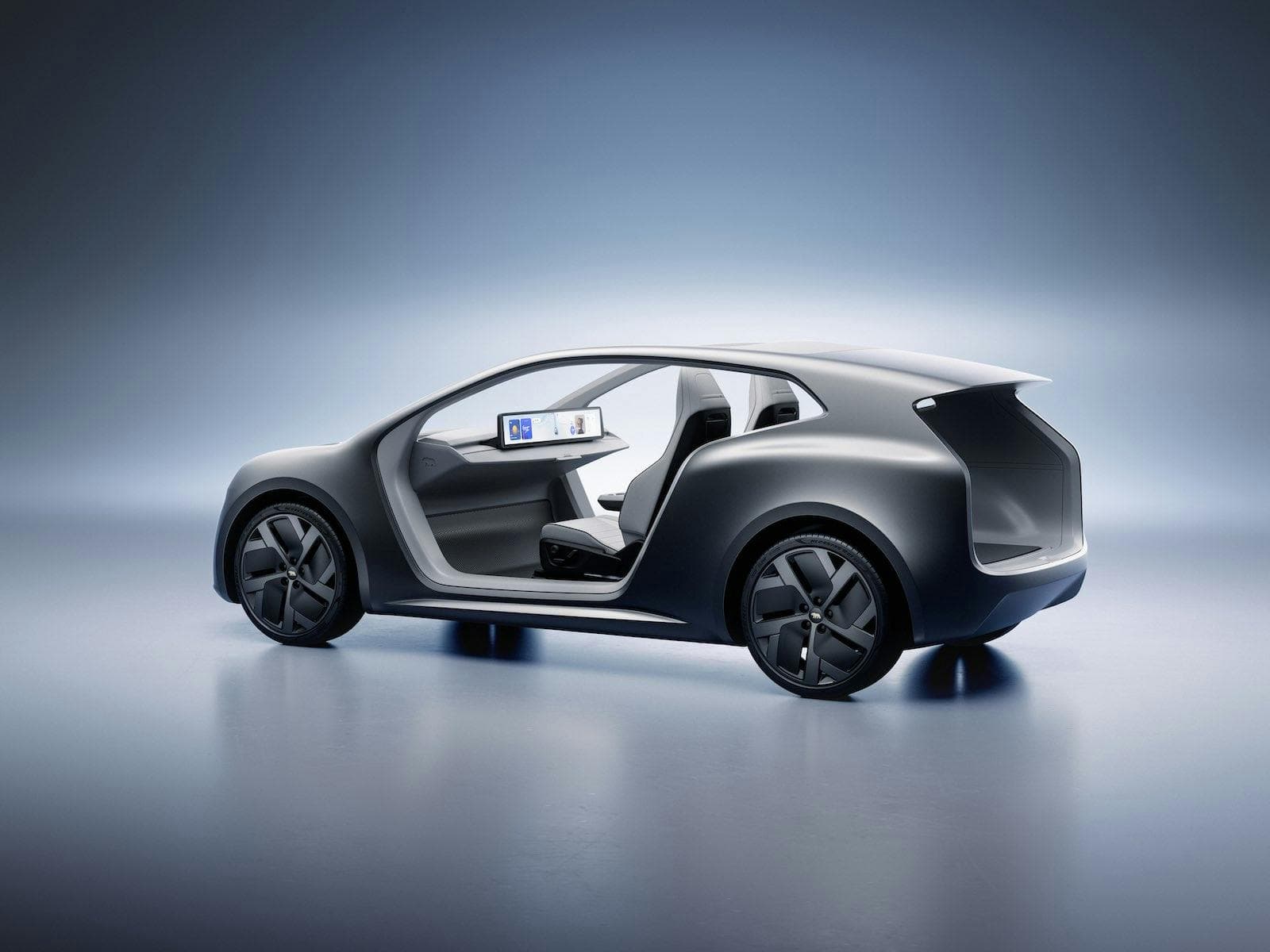
Lucid's interim CEO, Marc Winterhoff, stated the company's overarching goal is to "accelerate to profitability." However, the Lunar robotaxi remains in the concept phase, with no active development underway yet, according to TechCrunch.
Tesla, on the other hand, has already begun rolling out steering-wheel-equipped Cybercabs for testing, though it aims to transition to steering wheel-less production in April. The company has yet to apply for the necessary exemptions from the National Highway Traffic Safety Administration (NHTSA) for selling vehicles without traditional controls, suggesting initial deployments might be limited to its Austin Robotaxi fleet.
The shift towards subscription-based services signifies a broader trend among EV makers like Rivian and Tesla, who are increasingly focusing on diversifying their revenue streams beyond vehicle sales to include software and recurring income. This strategy is crucial for companies navigating a fluctuating EV market, which saw a 35% decline in overall China EV sales last month, even as Tesla's China sales jumped 43% to 38,206 vehicles in February.
Lucid is also actively pursuing partnerships to expand its autonomous vehicle footprint. Collaborations with Uber and Nuro are underway to develop a self-driving version of the Lucid Gravity SUV, slated for deployment on Uber's network in San Francisco by the end of this year. Additionally, Lucid confirmed plans for three new mid-size SUVs, including models named Cosmos and Earth, with starting prices expected around $50,000.
Most analysts stop here, focusing only on the vehicles. But the real story is how Lucid is strategically leveraging software and partnerships.For Founders in Autonomous Tech
Lucid's pivot to software subscriptions and partnerships with Nuro and Uber signals a clear path to market for autonomous tech outside of direct sales. Consider white-labeling or collaboration opportunities to scale faster.
For Developers Building AI for EVs
The competitive landscape between Lucid's (Lunar) and Tesla's (Cybercab) steering wheel-less designs highlights the growing demand for robust, camera-based AI and sensor fusion solutions. Focus on developing verifiable, safety-critical systems for Level 4/5 autonomy.
For Consumers Considering an EV
The emergence of robotaxi services and self-driving subscriptions means new transportation options are on the horizon. Compare Lucid's anticipated $69-$199/month subscription against Tesla's $99/month FSD to assess long-term value in autonomous features.
For Investors in EV Stocks (<strong>LCID
): Lucid's strategy to become free cash flow positive this decade relies heavily on these new revenue streams. Monitor the uptake of their subscriptions and the progress of robotaxi deployments, as these will be key indicators of success beyond traditional vehicle sales.
The Lucid Lunar is a two-seater robotaxi concept car designed by Lucid Motors without a steering wheel or pedals. It's intended to compete with Tesla's Cybercab in the autonomous vehicle market, though it is currently in the concept phase with no active development underway.
Lucid plans to offer a monthly subscription service for its self-driving technology, ranging from $69 to $199 per month. The price will vary depending on the level of autonomous capability offered, similar to Tesla's Full Self-Driving (FSD) subscription model.
Lucid is partnering with Uber and Nuro to deploy a self-driving version of the Lucid Gravity SUV in San Francisco. The autonomous Gravity SUV is expected to be available on Uber's network by the end of this year.
Lucid aims to accelerate towards profitability by diversifying its revenue streams through initiatives like the Lunar robotaxi concept and the self-driving technology subscription service. They are also pursuing partnerships and expanding their vehicle lineup with new mid-size SUVs.
More insights on trending topics and technology