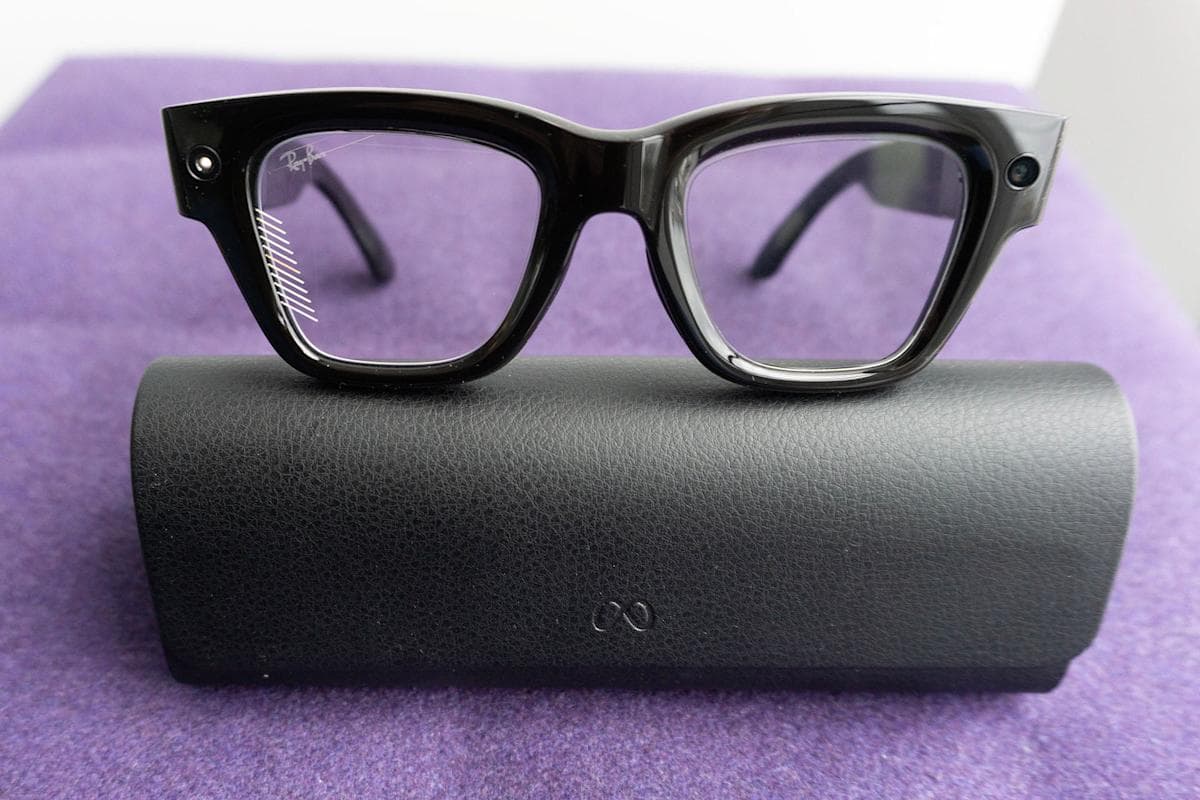
Users of Meta's Ray-Ban Display and other AI-powered smart glasses may be unknowingly sharing highly intimate and sensitive video recordings with human moderators. Reports indicate contractors in Kenya review footage for AI training purposes, including scenes from bathrooms, private financial information, and sexual activity, sparking significant privacy concerns and prompting scrutiny from data protection regulators.
According to these reports, employees in Kenya, specifically in Nairobi, are tasked with "annotating" visual data captured by these glasses. This process, critical for training artificial intelligence, involves human review of recorded content. Contractors described seeing deeply personal footage. This included individuals "nude, using the toilet and engaging in sexual activity, along with credit card numbers and other sensitive information".
Meta's terms of service for its AI products and smart glasses explicitly state that "any data captured [can] be reviewed by humans". The policy clarifies that sensitive data may be reviewed by "either humans or automated systems." It also places the responsibility on the user to "not share sensitive information" while using the device. This clause, however, clashes with the practical reality of wearing a camera on one's face, where unexpected private moments can easily be captured without explicit user intent to "share" them.
The UK's Information Commissioner's Office (ICO), the country's data watchdog, has also voiced its "concern" over the reports. The ICO emphasized that devices processing personal data, especially smart glasses, should "put users in control and provide for appropriate transparency." This underscores a growing tension between the data demands of advanced AI development and individual privacy rights.
Meta, in response to inquiries, has maintained that it follows its own policies. The company stated that"when live AI is being used, we process that media according to the Meta AI Terms of Service and Privacy Policy."
They also noted that, like other companies, they sometimes use contractors to review data to improve user experience, as detailed in their privacy policy. However, critics argue that the fine print in a lengthy terms of service document does not equate to genuine user awareness or informed consent when it comes to such highly sensitive data. Many users appear to believe their recordings are processed solely by AI, not by people. The challenge for Meta and other tech companies developing similar AI-powered wearables will be to balance their need for training data with robust, transparent privacy safeguards that truly empower users.For Developers and AI Ethicists
The reports highlight the critical need for developing privacy-preserving AI models and more robust ethical guidelines for data annotation, particularly when dealing with personal and intimate user data.
For Founders and Product Managers
This case underscores the importance of extreme transparency in terms of service for AI-powered wearables. Building and maintaining user trust requires going beyond legal minimums to proactively inform users about potential human review of sensitive data.
For Consumers and Smart Wearable Users
Re-evaluate your personal privacy settings and behaviors with AI-enabled smart devices. The fact that contractors in Kenya are seeing intimate footage means you should assume any recorded moment, especially when "live AI" is active, could be subject to human review.
For Privacy Advocates
The regulatory responses from bodies like the ICO and the emphasis on GDPR indicate a growing demand for stricter oversight on how personal data is handled by AI products. This suggests a potential for stronger data protection requirements for future wearable technologies.
Yes, Meta AI glasses, such as the Ray-Ban Display, are reportedly leaking private user videos to human moderators for AI training purposes. Contractors in Kenya review footage that includes intimate moments, financial information, and other sensitive data, raising privacy concerns.
Human review of footage from Meta AI glasses is necessary to train artificial intelligence models. These models require extensive training on annotated datasets, where humans manually label and categorize objects, actions, and contexts within the video footage to help the AI understand and interpret real-world visual data.
The sensitive information being exposed through Meta AI glasses includes footage of individuals nude, using the toilet, and engaging in sexual activity, as well as credit card numbers and other private financial details. This data is reviewed by human contractors for AI training purposes.
The privacy concerns surrounding Meta AI glasses stem from the potential exposure of users' most private moments to human review without their explicit consent. Data protection authorities, particularly in Europe under GDPR, are scrutinizing the practice, emphasizing the need for transparency regarding how personal data is processed.
Meta's terms of service state that any data captured by their AI glasses can be reviewed by humans or automated systems. While they advise users not to share sensitive information, the reality of wearing a camera can lead to the capture of unexpected private moments, creating a conflict with user expectations of privacy.
 Meta's AI display glasses reportedly share intimate videos with human moderators - Engadget
 You’re not the only one seeing what you record on Meta smart glasses, contractors say - Straight Arrow News - SAN
 ICO writes to Meta over 'concerning' AI smart glasses report - BBC
 Meta Ray-Ban smart glasses send ‘sensitive’ videos to human data annotators - 9to5mac.com
More insights on trending topics and technology