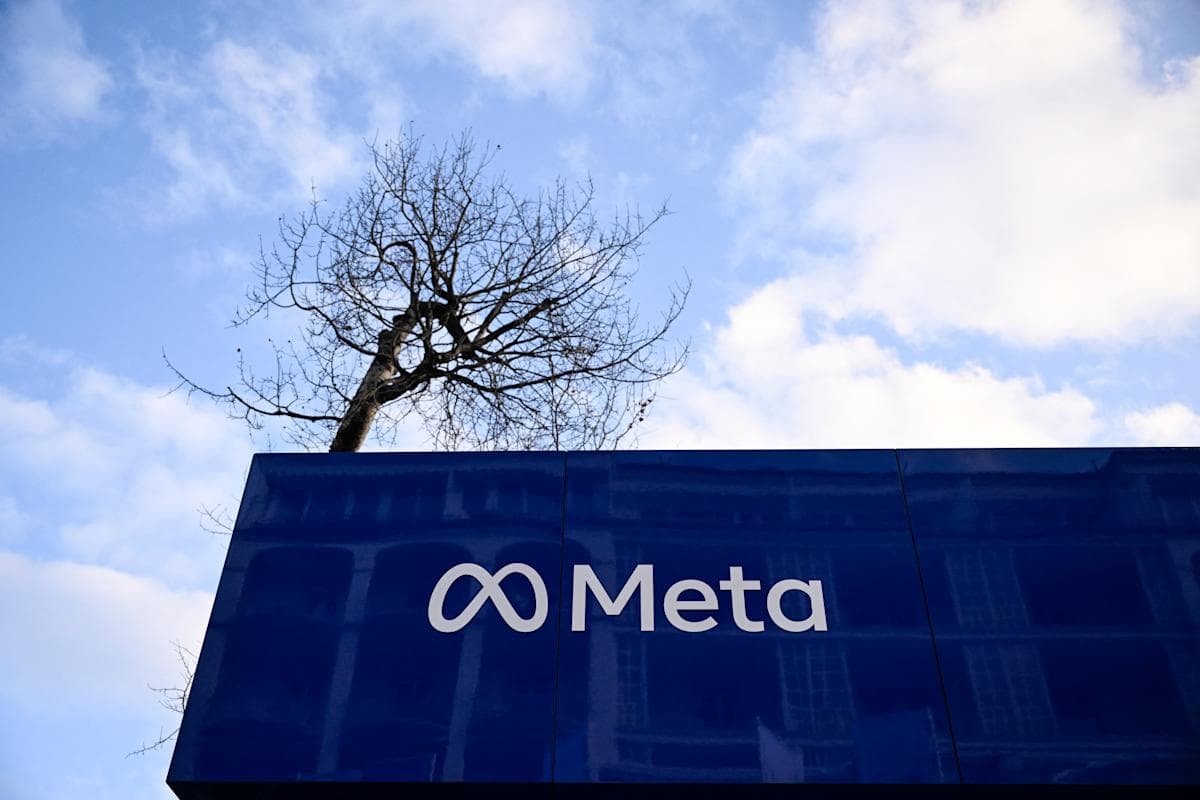
Meta is aggressively securing both high-quality content and essential hardware for its ambitious AI development. Recent deals, including a multi-million dollar licensing agreement with News Corp for proprietary content and multi-billion dollar arrangements for AI chips with Google and AMD, underscore Meta's concerted effort to build advanced AI models and diversify its supply chain, signaling a serious play for dominance in the generative AI landscape.
Meta is making a substantial investment in its artificial intelligence future, strategically signing deals that ensure both robust training data and the computing power to process it. This dual-pronged approach, highlighted by a recent content licensing agreement with News Corp and significant partnerships for AI chips, positions Meta to intensify its competition in the rapidly evolving generative AI arena.
Securing premium content ensures Meta's AI models can provide more accurate, current, and authoritative responses, particularly for subjects covered by reputable news organizations. This directly impacts the utility and trustworthiness of its AI products, from chatbots to future generative applications.
This partnership follows a trend among major AI developers seeking to license content rather than relying solely on publicly scraped data. News Corp previously struck a [SOURCE:original-article]five-year deal with OpenAI[/SOURCE] for a reported $250 million, indicating a growing market for proprietary content in AI development.
News Corp CEO Robert Thomson has articulated a "woo and sue" strategy for content licensing. "We'll woo you. We'd like you to be our partner. But if you're stealing our stuff, we are going to sue you," Thomson stated, emphasizing the financial incentives for AI companies to engage in official licensing agreements rather than unauthorized scraping.
Beyond News Corp, Meta has been active in securing other content partnerships. The company has already signed multi-year agreements with various media outlets, including USA Today, People, CNN, and Fox News. This broad licensing approach aims to enrich its AI models with a diverse range of information.
The company recently signed a multi-billion-dollar deal to rent AI chips from Google, according to reports from The Information and Reuters. This agreement provides Meta with access to Google's powerful AI infrastructure, crucial for training and deploying its next generation of AI models. Reuters also confirmed this multi-billion dollar deal, citing a person involved in the talks.
Further diversifying its supply chain, Meta also inked a multi-year deal with AMD. This agreement involves purchasing AMD's latest MI450 AI accelerators. What makes this deal particularly noteworthy is the inclusion of performance-based equity warrants for up to 160 million AMD shares, which could represent approximately 10% of the chipmaker.
This equity-linked arrangement, as noted by industry analysts, transforms the relationship from a transactional purchase to a strategic partnership. It aligns both companies' goals, providing Meta with supply security and AMD with a significant strategic investment from a major AI player. This also helps Meta strengthen its negotiating leverage and ease its heavy reliance on Nvidia for AI chips.
Meta's simultaneous pursuit of content licensing and chip procurement highlights a comprehensive strategy. The company is reportedly reorganizing its AI teams and investing heavily in creating its next foundational AI model, signifying a strong commitment to becoming a leader in the AI space.
Meta is investing heavily in AI by securing both content and hardware. They recently signed a multi-million dollar licensing agreement with News Corp for content and multi-billion dollar deals with Google and AMD for AI chips. These moves aim to provide Meta with the resources needed to compete in the generative AI space.
Meta has a three-year content licensing deal with News Corp, potentially worth up to $50 million annually. This agreement allows Meta to use content from publications like The Wall Street Journal to train its AI models and improve the responses of its AI chatbot.
Licensing premium content ensures Meta's AI models can provide more accurate, current, and authoritative responses. By using content from reputable news organizations, Meta aims to improve the utility and trustworthiness of its AI products, such as chatbots.
Meta has committed to multi-billion dollar deals to rent AI chips from Google and has also struck an agreement with AMD for AI accelerators. The AMD deal includes equity warrants, showing a deeper partnership to secure its AI chip supply chain.
News Corp CEO Robert Thomson has articulated a 'woo and sue' strategy, meaning they prefer to partner with AI companies through licensing agreements. However, they are prepared to sue companies that use their content without permission, incentivizing official licensing agreements.
 Meta signs multi-billion-dollar deal to rent Google AI chips – The Information - Finextra Research
 Google signs multibillion-dollar AI chip deal with Meta, Information reports - Reuters
 Jim Cramer Asked Lisa Su, 'Why Is Meta Taking A Share In You?' When Nvidia Didn't Give Equity: Here Is What She Said - Benzinga
More insights on trending topics and technology