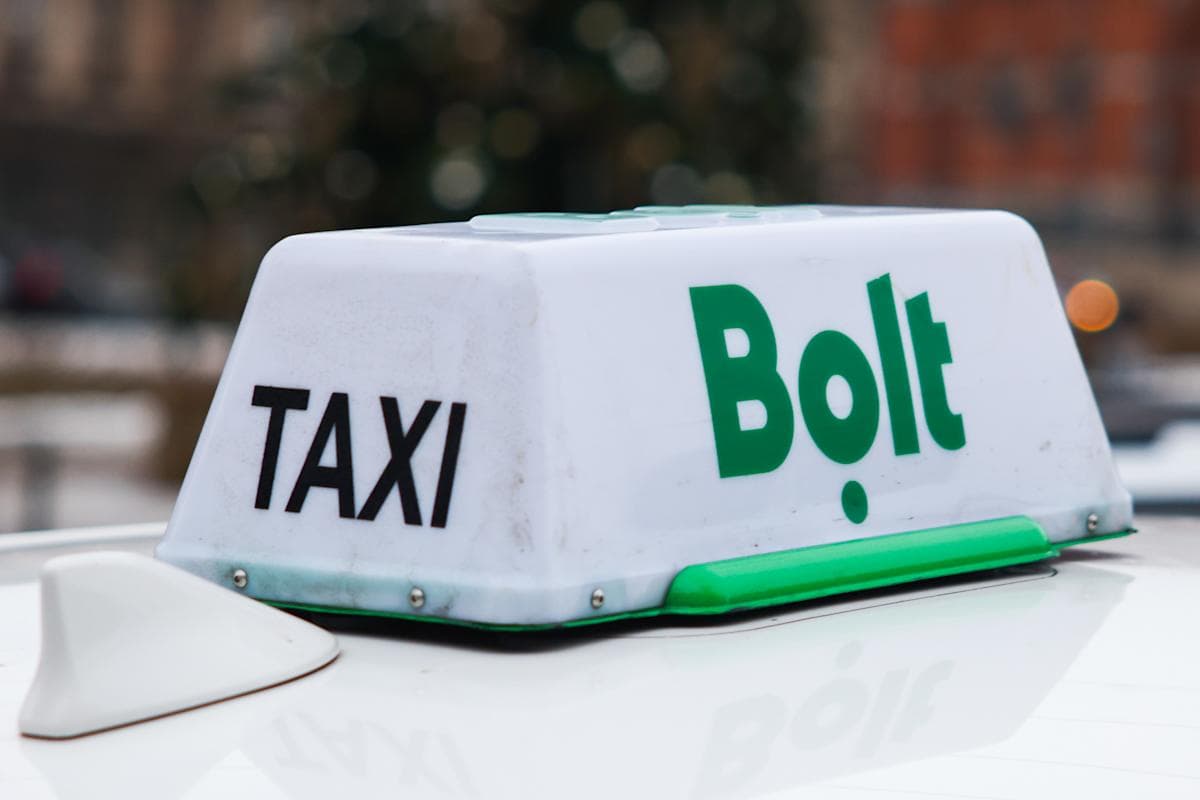
Bolt will utilize Nvidia Cosmos for curating and searching its vast troves of driving data. It will then tap into Nvidia Omniverse to create digital twin simulations of real-world driving scenarios, generating and augmenting data at scale. Nvidia's Alpamayo model, specifically developed for AVs, will train the AI to navigate diverse and complex European urban environments safely and appropriately.
This collaboration is symbiotic. Bolt benefits from Nvidia's cutting-edge technology, which would be prohibitively expensive and impractical to develop in-house. In return, Nvidia gains a significant customer and access to crucial real-world driving data from Bolt's European fleet, a resource essential for refining autonomous driving AI. Bolt ensures its fleet data will comply with General Data Protection Regulation (GDPR) standards and promises open-source access to European universities and small- and medium-sized businesses.
Uber, for example, is set to roll out a fleet of 100,000 Nvidia-powered Level 4 autonomous vehicles in Los Angeles and San Francisco by 2027, according to Yahoo Finance. Lyft and Singapore’s Grab are also utilizing Nvidia’s technology for their self-driving efforts. This widespread adoption underscores Nvidia's impact on the autonomous vehicle market, particularly in the competitive robotaxi segment.
Nvidia also announced new tie-ups at GTC with major automakers including Hyundai, BYD, Geely, Isuzu, and Nissan, further expanding its reach in the automotive sector. These collaborations highlight a significant trend: rather than each company developing autonomous tech from scratch, many are adopting a common, powerful platform. The competition remains fierce, with companies like Amazon's Zoox also petitioning regulators to deploy purpose-built, steering-wheel-free robotaxis.
For European Consumers
Expect to see Level 4 robotaxi services gradually emerge in European cities within the next few years, potentially enhancing urban mobility and convenience as Bolt integrates Nvidia's technology.
For Developers and Founders
The extensive use of Nvidia's Cosmos, Omniverse, and Alpamayo by Bolt illustrates the industry's focus on data curation, simulation, and specialized AI models for autonomous driving. Investing in expertise across these platforms offers significant career and entrepreneurial opportunities.
For Investors
Nvidia's expanding network of partnerships with ride-hailing companies and automakers, including Bolt, Uber, and BYD, solidifies its critical role in the burgeoning Level 4 autonomous vehicle market, indicating strong future revenue streams beyond traditional GPUs.
NVIDIA and Bolt have partnered to launch robotaxis across Europe, combining Bolt's ride-hailing service with NVIDIA's autonomous vehicle technology. Bolt will use NVIDIA's Drive Hyperion platform and AI infrastructure, while NVIDIA will gain access to Bolt's European driving data to improve its self-driving models. The goal is to deploy Level 4 autonomous vehicles that can operate without human intervention in specific areas.
Bolt will integrate NVIDIA's full-stack solution, including the Drive Hyperion platform, Cosmos, Omniverse, and Alpamayo. Drive Hyperion is designed for Level 4 autonomous vehicles, while Cosmos will be used for curating driving data. Omniverse will create digital twin simulations, and Alpamayo will train the AI to navigate European urban environments.
NVIDIA benefits by gaining access to Bolt's extensive European driving data, which is crucial for refining its autonomous driving AI models. This real-world data helps NVIDIA improve the safety and appropriateness of its AI in diverse and complex urban environments. The partnership also solidifies NVIDIA's position as a leading provider of technology for autonomous vehicles.
NVIDIA and Bolt are focused on deploying Level 4 autonomous vehicles (AVs). Level 4 autonomy means the vehicles can operate without human intervention in defined areas and under specific conditions. This requires advanced technology, including sophisticated sensors, powerful chips, and AI-driven software.
Yes, several major companies are using NVIDIA's technology for their self-driving efforts. Uber plans to roll out 100,000 NVIDIA-powered Level 4 autonomous vehicles in Los Angeles and San Francisco by 2027. Lyft and Grab are also utilizing NVIDIA’s technology, highlighting NVIDIA's significant impact on the autonomous vehicle market.
More insights on trending topics and technology