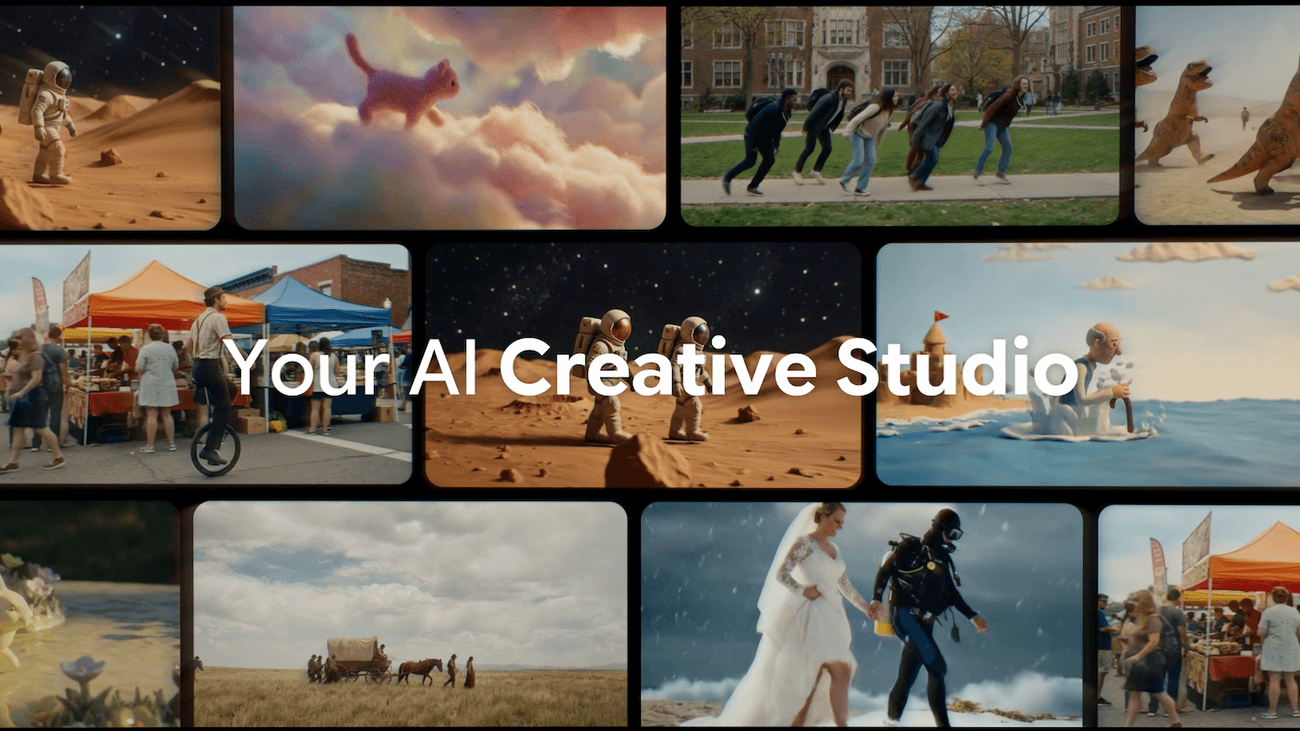
The integration into ChatGPT, which boasts a massive 900 million weekly active users, offers Sora a second life and a much wider audience. This move aligns with OpenAI's broader strategy to enhance its multimodal AI, allowing users to interact with text, images, and now video within a single, familiar interface. It directly challenges competitors like Meta and Google, which are also developing advanced text-to-video tools to capture this evolving market segment.
This shift reflects a broader trend in AI tools: moving beyond delivering simple answers to encouraging deeper user engagement with underlying concepts, much like ChatGPT's recent feature allowing interactive visual explanations for math and science, as TechCrunch reported. Bringing video creation into this dynamic environment could unlock entirely new forms of interactive content and learning.
While generating a video carries a high cost, OpenAI has previously charged API customers $0.10 per second for 720p video. The company's initial strategy for the standalone Sora app included offering 30 free video generations per account daily, with monetization attempts through paid credits for additional content. We expect a similar, credit-based monetization model will be deployed within ChatGPT to manage these escalating costs and generate revenue.
This approach would allow OpenAI to recoup some of its significant investment, potentially through partnerships or licensed content, such as enabling users to generate videos featuring popular characters. However, some industry observers question the allocation of such vast computational resources. As one social discussion highlighted, "Sora is a waste of compute that would be better spent on ChatGPT," pointing to the ongoing debate about the most impactful areas for AI investment.
For Developers
Expect richer multimodal APIs from OpenAI. This integration signals a future where applications can seamlessly blend text, image, and video generation, opening doors for more dynamic and engaging user experiences within your own products.
For Content Creators
Direct access to video generation within ChatGPT could streamline creative workflows significantly. You can iterate on ideas more quickly, moving from text prompts to video concepts without switching tools, but anticipate a credit-based system for extensive usage.
For Businesses
The expanded capabilities of ChatGPT could lead to new avenues for customer engagement and advertising. Imagine generating personalized video content for marketing campaigns directly within your primary AI interface, offering highly tailored experiences.
For Everyday Users
ChatGPT is evolving beyond a text interface into a powerful creative hub. You'll gain intuitive tools to generate custom videos, making complex creative tasks more accessible, though limits on free generations will likely encourage paid usage.
Yes, OpenAI is planning to integrate its Sora video generation model directly into ChatGPT. This move aims to expand ChatGPT’s multimodal AI capabilities, allowing users to generate videos from text prompts within the familiar ChatGPT interface. The integration also gives Sora a wider audience after its standalone app saw declining user engagement.
OpenAI is integrating Sora into ChatGPT to revitalize the video generation tool and broaden its user base. The standalone Sora app reportedly experienced declining interest after its initial launch. By embedding Sora into ChatGPT, which has 900 million weekly active users, OpenAI aims to boost user engagement and compete with similar offerings from Meta and Google.
OpenAI projects it could spend over $225 billion on inference costs between 2026 and 2030 to run its AI models like Sora and ChatGPT. This substantial figure highlights the immense computational power required for advanced generative AI at scale. OpenAI will likely implement a credit-based monetization model within ChatGPT to manage these escalating costs.
OpenAI is expected to use a credit-based system to monetize Sora within ChatGPT. Users may receive a certain number of free video generations, with additional video creation requiring the purchase of credits. This approach mirrors the initial strategy for the standalone Sora app and allows OpenAI to recoup some of its significant investment in the technology.
Integrating Sora into ChatGPT enhances multimodal AI capabilities, allowing users to interact with text, images, and video in one place. It also gives Sora a second life and a much wider audience, potentially boosting ChatGPT’s user base. This move allows OpenAI to compete directly with text-to-video offerings from tech giants like Meta and Google.
More insights on trending topics and technology