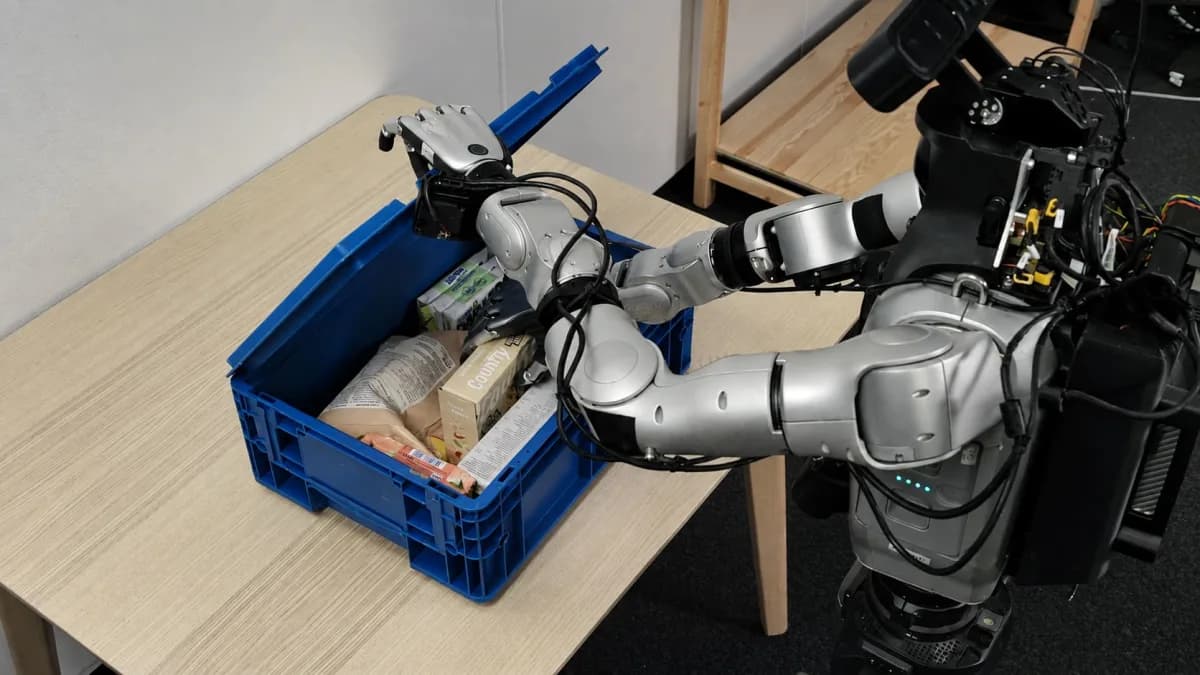
Odyssey introduced Odyssey-3 on September 15, 2026, a foundation world model designed for general-purpose physical intelligence. It can power robots, drive cars, train AIs, pilot drones, and play video games, requiring only a few hours of experiential data to control physical systems.
This model represents a shift from specialized AI systems to a unified approach. Odyssey-3 aims to provide a common foundation for various physical and virtual systems. It adapts knowledge to new tasks with significantly less task-specific experience.
What Systems Can Odyssey-3 Control?
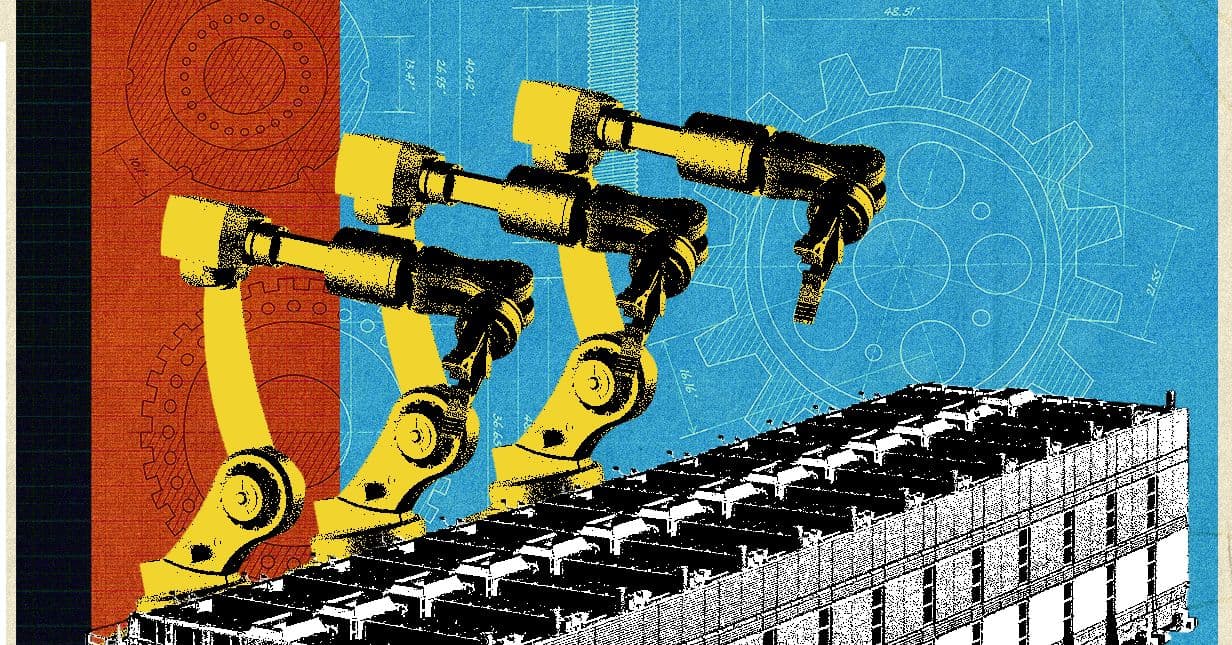
Odyssey-3 demonstrates broad applicability across diverse physical and virtual environments, acting as a generalist solution. It powers robot arms, humanoids, and autonomous vehicles. The model also handles drone piloting, AI training environments, and complex video games like Grand Theft Auto V. This wide range of capabilities stems from its foundational understanding of the world.For robot arms, Odyssey-3 learns control with tens of hours of robot demonstrations. It shows recovery behaviors not present in training, like reorienting a gripper after a missed grasp. In humanoid applications, a collaboration with Flexion enables real-time tasks using tens of hours of teleoperation data.
Autonomous driving tasks require just 20 hours of simulated driving data for Odyssey-3 to navigate real-time trajectories. This makes it efficient for vehicles. Similarly, drone piloting and playing video games such as Red Dead Redemption 2 leverage the same core model with minimal task-specific training.
How Does Odyssey-3 Learn and Adapt?
Odyssey-3 learns by acting as an autoregressive diffusion transformer, processing vast visual observations of the world. This architecture allows it to develop an intrinsic understanding of physics, dynamics, cause-and-effect, and human behaviors. Its core knowledge base remains frozen during adaptation, while an action decoder translates its internal representations into task-specific actions.The model's pretraining on diverse visual data equips it with a general world understanding. When adapting to a new task, an action decoder is trained on observation-action pairs. This process efficiently translates the model's learned world knowledge into specific controls for robots or other systems. This approach significantly reduces the need for extensive task-specific data.
Feature | Odyssey-3 Approach | Traditional Robotics |
|---|---|---|
Model Type | Foundation World Model | Specialized Policy/Model |
Training Data | Few hours experiential data + vast visual observations | Large amounts of task-specific demonstrations |
Adaptation | Action decoder on observation-action pairs | Extensive retraining or new model development |
Generalization | High, across diverse embodiments | Limited, tightly coupled to training domain |
Odyssey-3's underlying technology, described by its makers as an autoregressive diffusion transformer, allows it to infer and predict how the world behaves. This makes it a powerful base for what Odyssey authors Oliver Cameron and Jeff Hawke call 'physical agents.' You can learn more about similar AI agent infrastructures in our article on ZeroClaw.