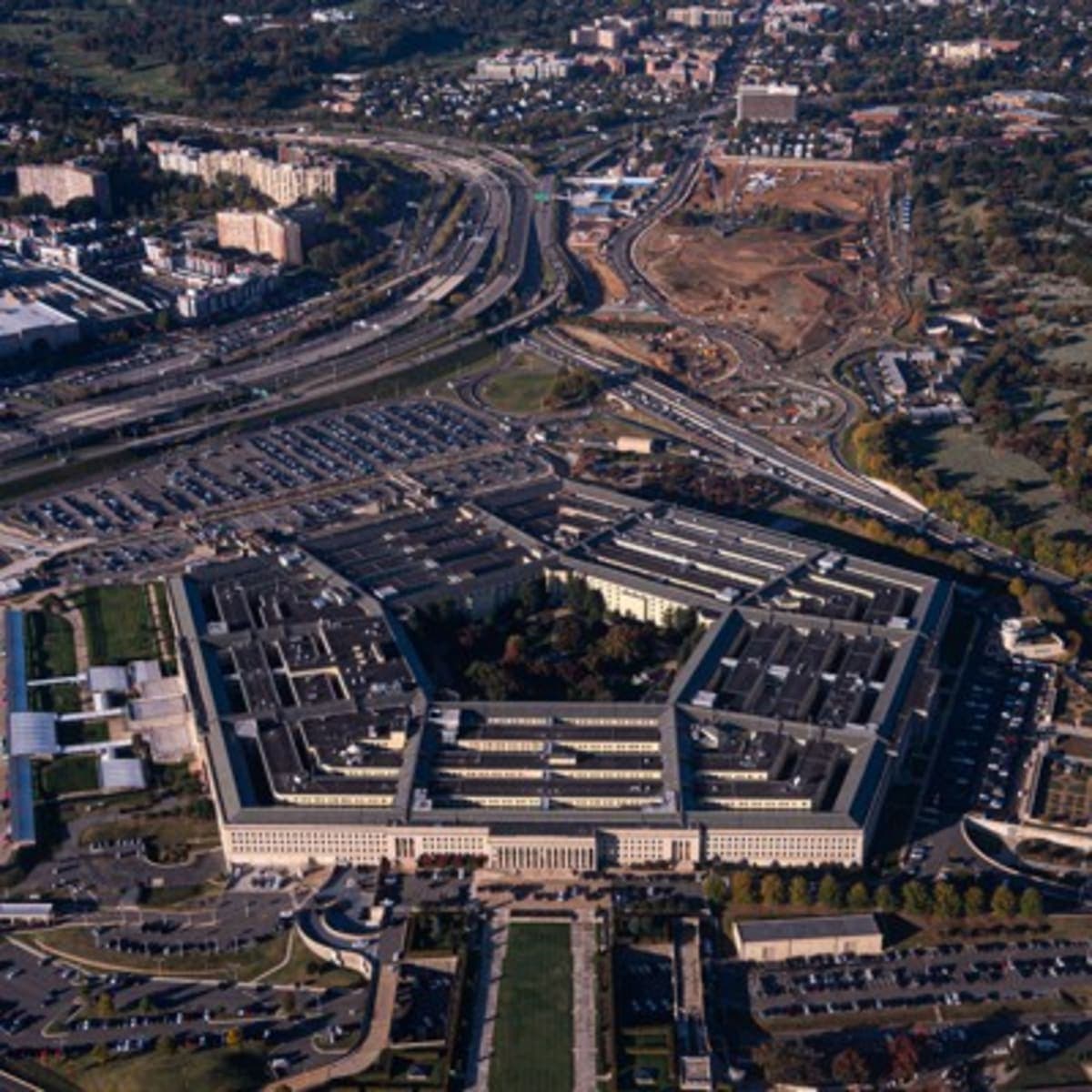
The Pentagon has struck agreements with SpaceX, OpenAI, Google, NVIDIA, Reflection, Microsoft, and Amazon Web Services to integrate their advanced artificial intelligence capabilities into classified military networks, aiming to enhance warfighter decision-making and situational awareness as of May 2026. This move accelerates the United States' transformation into an AI-first fighting force while explicitly seeking to prevent vendor lock, according to the U.S. Department of War.
These agreements allow the seven leading AI companies to deploy their products within the Department of Defense's Impact Level 6 (IL6) and Impact Level 7 (IL7) network environments. These levels denote highly secure systems authorized to handle increasingly sensitive, classified data, with IL7 representing the highest classification for unclassified information. The integration focuses on streamlining data synthesis, improving real-time decision support, and elevating situational understanding for military operations.
Why the Pentagon Needs New AI Partners
The Pentagon's strategy centers on creating an architecture that prevents "AI vendor lock," ensuring long-term flexibility for the Joint Force by diversifying its AI toolset. This initiative is part of a broader effort to maintain American leadership in AI, which military officials consider indispensable for national security, according to Forbes. The new AI capabilities will be accessible via GenAI.mil, the Pentagon's central AI platform, where Google had already deployed its Gemini 3.1 Pro model for various defense applications in late April 2026.This push for broader AI integration comes after a period of tension with another prominent AI firm. In late February 2026, the Pentagon faced a significant disagreement with Anthropic after the company refused to permit its AI products for use in autonomous weapons or for surveillance of American citizens. The Defense Department subsequently designated Anthropic a supply chain risk, leading to orders from President Trump to offload its products, although a judge has since issued an injunction on those actions. This incident underscores the military's urgency to secure AI capabilities from multiple providers without compromising ethical or operational flexibility.
What This Means for National Security
The shift towards integrating advanced AI into classified networks marks a critical evolution in defense technology. By leveraging frontier AI models from these diverse companies, the Pentagon aims to strengthen its "Arsenal of Freedom" and address emerging threats. This collaboration is designed to provide warfighters with advanced tools necessary to meet complex challenges in operational environments.The agreements signal the Pentagon's commitment to becoming an "AI-first" fighting force. This isn't just about speed; it's about embedding intelligence at every operational layer, from strategic planning to tactical execution. The diversity of providers ensures that the military can adapt quickly, integrate the best available technology, and avoid dependency on a single vendor's roadmap or ethical stance. The ability to deploy these tools across Impact Level 6 and 7 networks means that highly sensitive, mission-critical data can now be processed and analyzed with cutting-edge AI, directly impacting operational outcomes."Together, the War Department and these strategic partners share the conviction that American leadership in AI is indispensable to national security. This leadership depends on a thriving domestic ecosystem of capable model developers that enable the full and effective use of their capabilities in support of Department missions."
— U.S. Department of War Press Release
How Will This Impact the AI Industry?
The Pentagon's move creates a significant new market for AI developers, but it also establishes a precedent for how these technologies will be vetted and utilized within national security contexts. The requirement to operate within secure, classified environments (IL6 and IL7) means that providers must meet stringent security and compliance standards. This could drive innovation in secure AI development, pushing companies to build models that are not only powerful but also robust against manipulation and unauthorized access.Furthermore, the emphasis on preventing vendor lock means that competition among these AI giants for future defense contracts will remain fierce. This dynamic could accelerate the development of more modular and interoperable AI systems, benefiting not just military applications but potentially broader enterprise uses as well.
It forces companies to differentiate on performance, security, and ethical alignment with government guidelines, rather than relying on exclusive contractual agreements. The Anthropic incident highlights the growing tension between commercial AI development principles and military operational requirements, a tension that will shape the future of AI partnerships in defense.