At 4 a.m. on July 1, 2025, the U.S. Senate voted 99 to 1 to kill a provision that would have frozen most state-level AI regulation for ten years.
I've been thinking about that vote ever since. Not because of the politics. Because of what it revealed about where we actually are with AI, and what it means for anyone trying to build something responsible inside it.
Here's what happened.
Buried inside the One Big Beautiful Bill Act (yes, that's the real name), a thousand-page domestic policy law, was a short section with sweeping impact. For ten years, states would have been blocked from enforcing most laws governing AI models or automated decision-making.
No exceptions for bias. No exceptions for transparency. No exceptions for accuracy.
Major tech industry groups pushed hard for it. The argument was familiar. A patchwork of state laws would slow innovation and cede ground to international competitors.
The House passed it 215 to 214. By a single vote.
Then something unusual happened.
Forty state attorneys general pushed back. Seventeen Republican governors pushed back. A coalition of more than 140 organizations pushed back. Even members of Congress who had voted yes expressed regret when they realized what was in the bill.
One story kept surfacing in the debate. A 14-year-old in Florida. His mother alleged in court that months of escalating conversations with a chatbot contributed to his suicide. The bot engaged with his darkest thoughts instead of redirecting him toward help.
When the Senate realized what was at stake, the amendment to strip the moratorium passed 99 to 1. The broader bill passed days later by a single tiebreaking vote and was signed on the Fourth of July. The moratorium was gone. No federal framework replaced it.
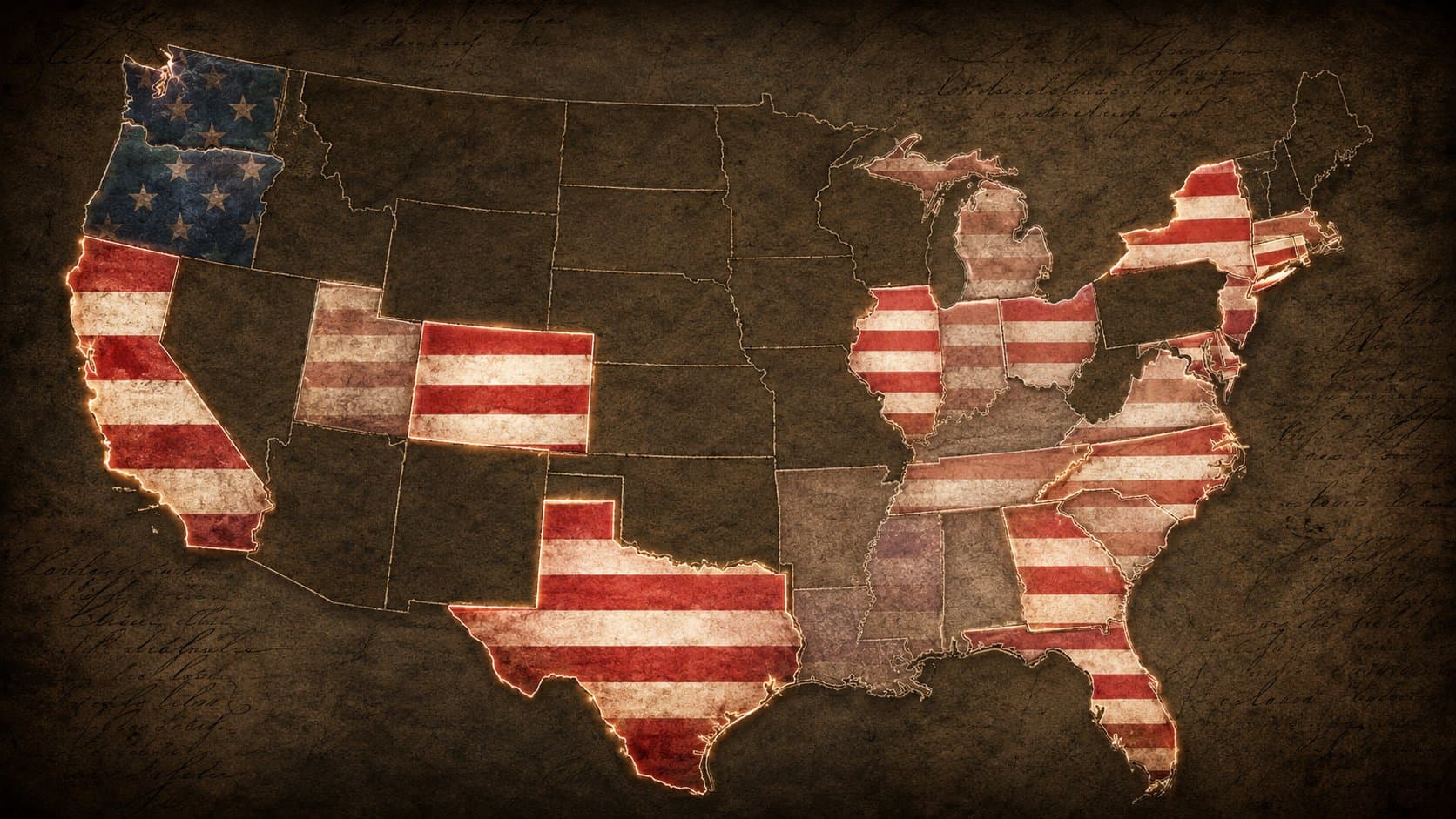
Nearly a year later, the patchwork is real and growing. States moved to fill the gap, in two different directions. California and New York passed frontier-model safety and transparency laws. Colorado and Texas passed algorithmic-discrimination laws focused on consumer protection. More states have passed narrower rules targeting chatbot disclosures, employment AI audits, biometric protections, and healthcare guardrails. Others still have nothing in force. Companies deploying AI across state lines are running multi-state compliance programs with no national standard in sight.
Here's what I keep coming back to.
The Senate fight was framed as a question about jurisdiction. Federal authority versus state authority. Innovation versus regulation.
The harder question underneath it was never about jurisdiction at all.
It was about who gets protected when something goes wrong. And who captures the value when something goes right.
Most companies building with AI right now are starting from the same place. How do we move faster and spend less? That's a reasonable business question. It's just not the first one.
Most AI leaders talk about scale, dominance, and acceleration. Few talk about the people getting left behind by it.
I'm building toward a different future because I can't unsee what I've seen.
For the talented people on the sidelines. For people building real freedom for themselves, their families, and their communities. For the work that compounds for them, not on top of them.
Faster and cheaper is not innovation. Innovation is deciding who your product is really for. And being honest about what you're willing to put into the world to serve them.