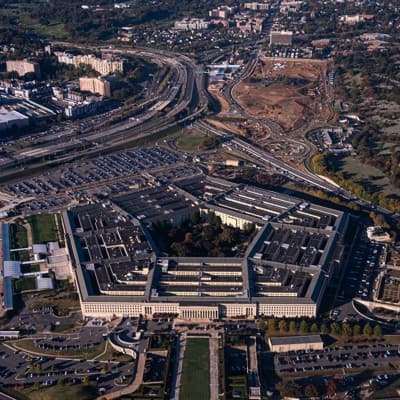
Sam Altman's OpenAI is reportedly stepping in where Anthropic faltered, potentially securing a deal with the U.S. Department of War after Anthropic's contracts faced termination. This move highlights the complex interplay between AI companies and government interests, particularly concerning ethical AI deployment in defense.
OpenAI's Potential Agreement with the Department of War
OpenAI CEO Sam Altman informed employees at an all-hands meeting on Friday that the company is in talks for a potential agreement with the U.S. Department of War [1]. The deal aims to integrate OpenAI's AI models and tools into the military's classified systems. According to a source present at the meeting and a summary reviewed by Fortune, the contract is not yet finalized.Sasha Baker, head of national security policy at OpenAI, and Katrina Mulligan, who leads national security for OpenAI for Government, also addressed the meeting [1]. They provided further details on the potential collaboration.
The Anthropic Fallout
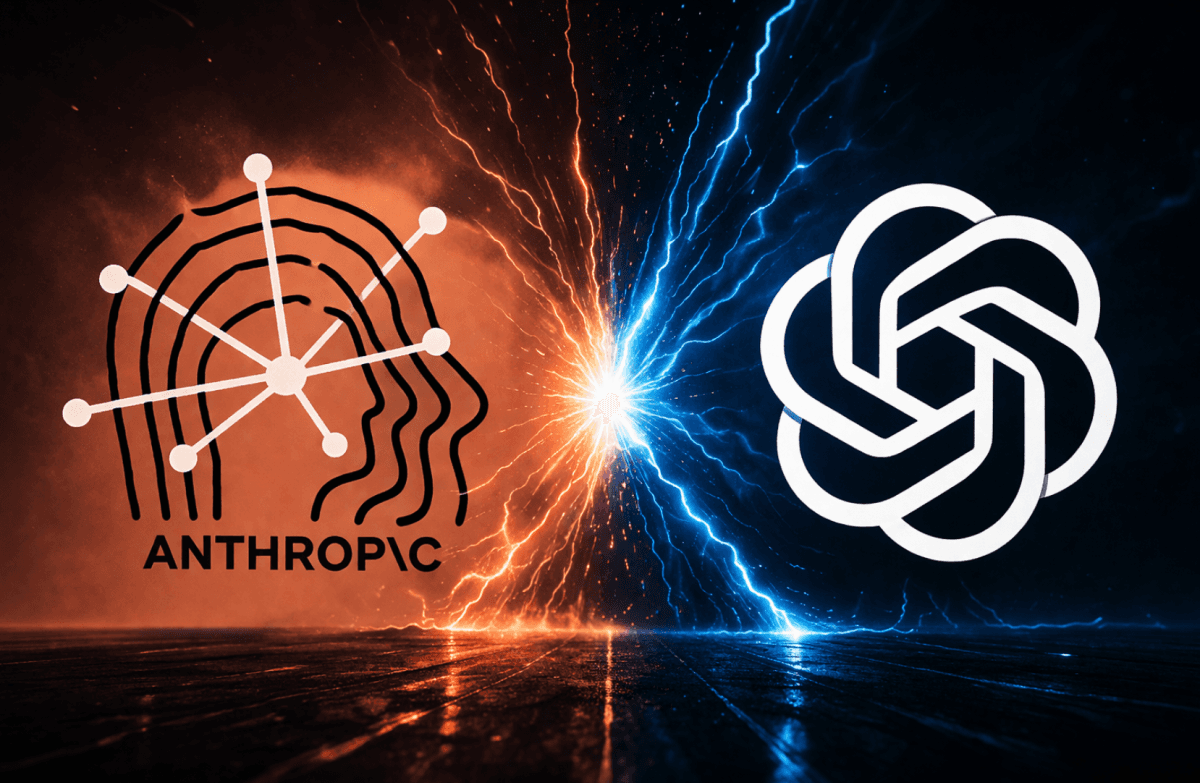
This potential deal emerges after a public dispute between the Department of War and Anthropic, an OpenAI competitor, which culminated in the apparent termination of Anthropic’s government contracts [1]. President Trump announced that all federal agencies would cease using Anthropic's technology, citing a lack of need and unwillingness to conduct further business with the company [1]. The decision mandates a six-month phase-out period for agencies currently using Anthropic's Claude models.Reportedly, the relationship between Anthropic and the government deteriorated because Anthropic CEO and cofounder Dario Amodei had offended Department of War leadership. This included publishing blog posts that the department found objectionable, according to sources [1].
Guardrails and Restrictions
Altman indicated that the potential agreement with the Pentagon would include similar restrictions that Anthropic had sought [2]. These restrictions prohibit the use of AI for domestic surveillance and autonomous offensive weapons. "Tonight, we reached an agreement with the Department of War to deploy our models in their classified network," Altman wrote in a post on X [3].The Pentagon reportedly agreed to these conditions shortly after announcing that it would sever ties with Anthropic [1]. While the contract with OpenAI is not yet signed, it signals a potential resolution to the impasse over AI use in defense.
Department of War's Perspective
Defense Secretary Pete Hegseth reposted Altman’s announcement on X, signaling support for the OpenAI agreement [1]. Under Secretary Emil Michael, who is in charge of technology at the Pentagon, stated, “When it comes to matters of life and death for our warfighters, having a reliable and steady partner that engages in good faith makes all the difference as we enter into the AI Age" [1].The Department of War's quick embrace of OpenAI, following the rift with Anthropic, highlights the urgency with which the government is pursuing AI integration into its operations. Industry analysts note that this situation underscores the critical importance of reliable partnerships in the AI sector.