Apple is reportedly testing up to four distinct frame styles for its upcoming smart glasses, signaling a multi-pronged approach to challenge Meta's dominance in the burgeoning market. These designs, internally code-named N50, aim for a release as early as late 2026 or early 2027, with shipments beginning by the end of 2027, according to Engadget.
This move positions Apple to leverage its vast ecosystem, integrating deeply with the iPhone for photo and video capture, editing, and communication.
The company's entry into the smart glasses space follows a significant surge in market interest, with the smart glasses market growing 139% year-over-year in the second half of 2025, per CNET. Apple seeks to differentiate its offering with unique hardware and software synergies, emphasizing ambient intelligence and continuous interaction with its AI assistant.
Defining Apple's Smart Glass Design
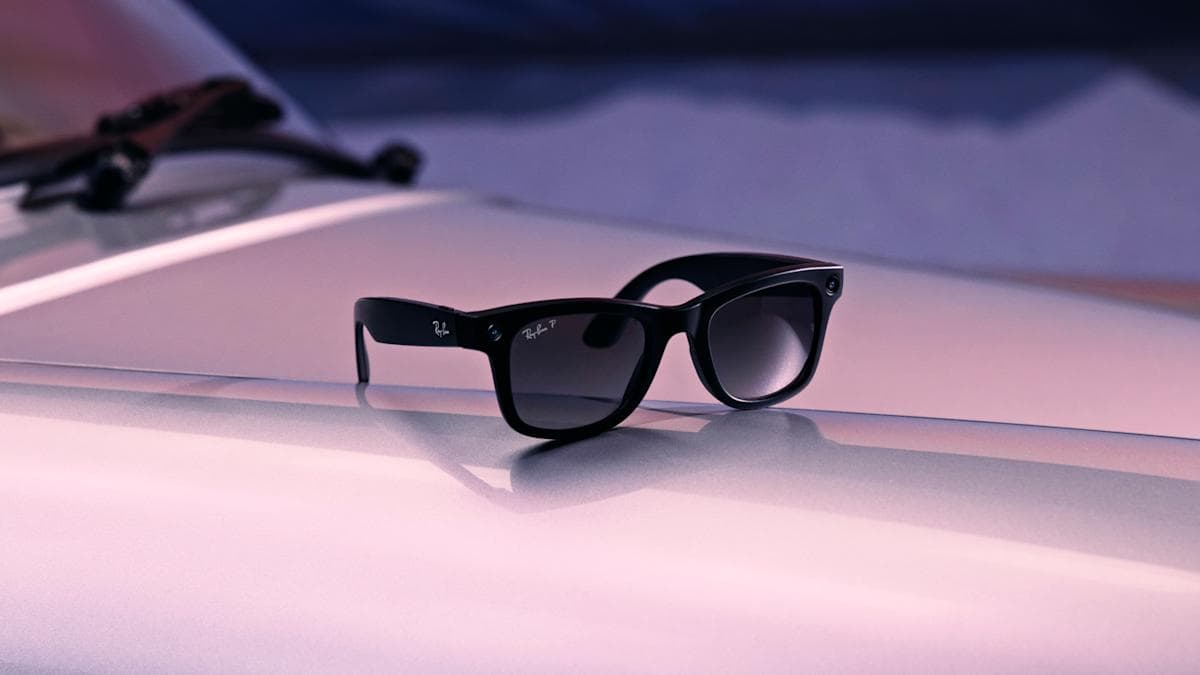
Apple's design strategy for its smart glasses involves a range of aesthetic options to appeal to a broad consumer base. Bloomberg's Mark Gurman reports that the company is testing styles reminiscent of classic eyewear. These include a large rectangular frame similar to Ray-Ban Wayfarers, a slimmer rectangular option, and both larger and smaller oval or circular frames.Apple also explores a variety of colors, such as black, ocean blue, and light brown. Beyond frame styles, Apple focuses on a distinctive camera setup. The smart glasses feature vertically oriented oval lenses with surrounding indicator lights, a deliberate choice to distinguish them visually from competitors like Meta's Ray-Ban models.
This design ensures the device is recognizable as an Apple product from a distance, reinforcing brand identity. The glasses will capture photos and videos, much like Meta's offerings, but the core distinction lies in their deep integration with the Apple ecosystem.
Ecosystem Integration and AI Ambitions
Apple plans for its smart glasses to function as a seamless extension of the iPhone. Users will harness their iPhones for editing, sharing content, making phone calls, receiving notifications, playing music, and interacting with Siri. This deep sync ensures that the glasses tap into existing Apple services and hardware, providing a consistent user experience.The launch of these smart glasses could coincide with the debut of an improved Siri, expected with iOS 27, further enhancing the device's AI capabilities and hands-free interaction.
The smart glasses are a key component of Apple's broader AI wearable strategy. Alongside the N50, Apple reportedly develops an Apple AI pendant, roughly the size of an AirTag, designed to clip onto clothing and continuously feed visual context to Siri. T
he company also works on AirPods equipped with a built-in camera, indicating a comprehensive push towards ambient intelligence across multiple form factors.
These devices aim to extend individual capabilities through intelligence that is always present, built upon the iPhone's processing foundation, and designed for all-day wear.