OpenAI is pushing deeper into the enterprise market with the release of GPT-5.4, positioning it as their most capable model yet for professional work. This iteration builds on its predecessors by focusing on direct computer interaction and advanced reasoning, a clear signal of the company's ambition to create more autonomous AI agents. For developers and businesses, this release could streamline workflows previously requiring complex manual oversight.
What's New in GPT-5.4?
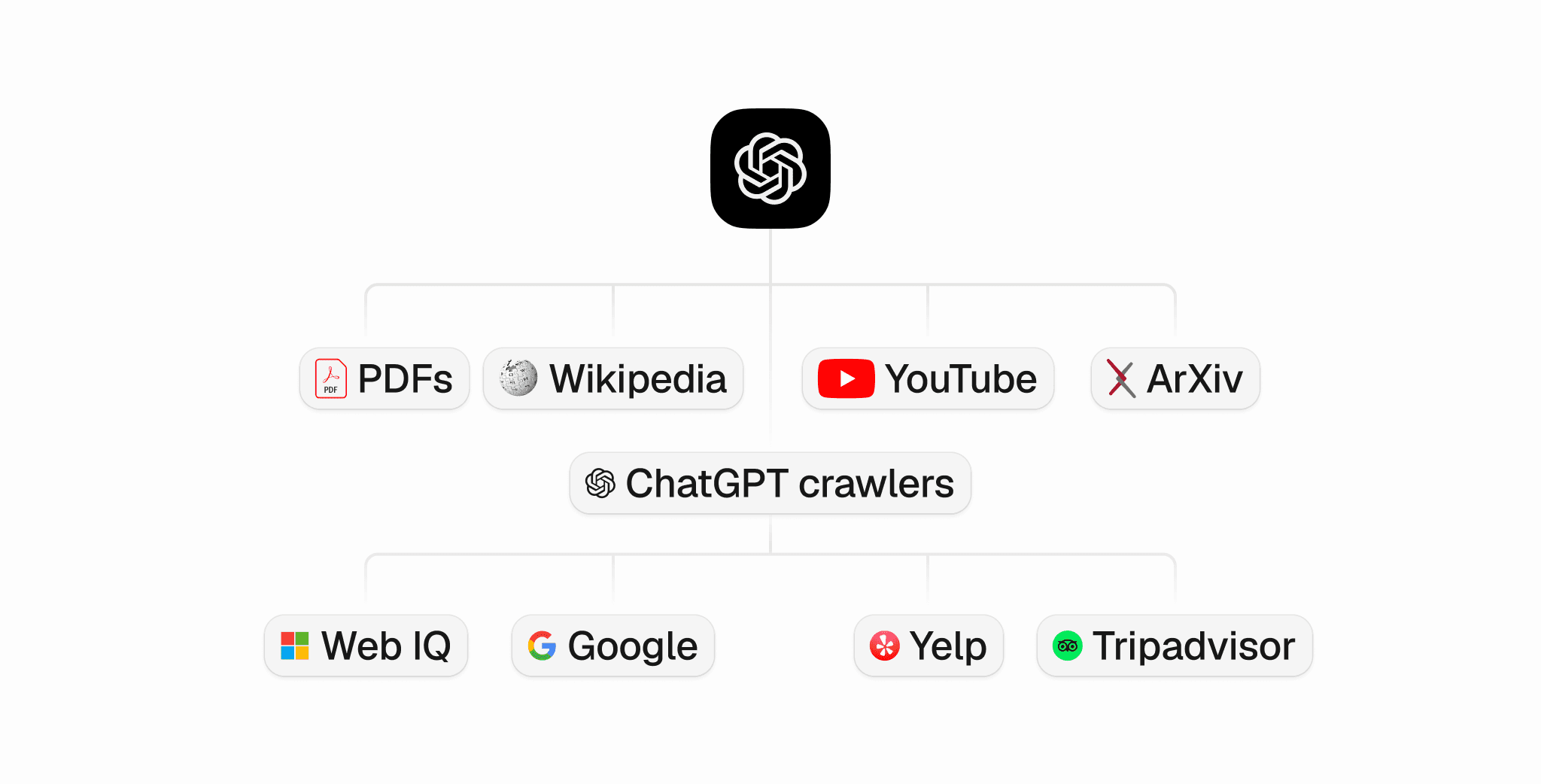
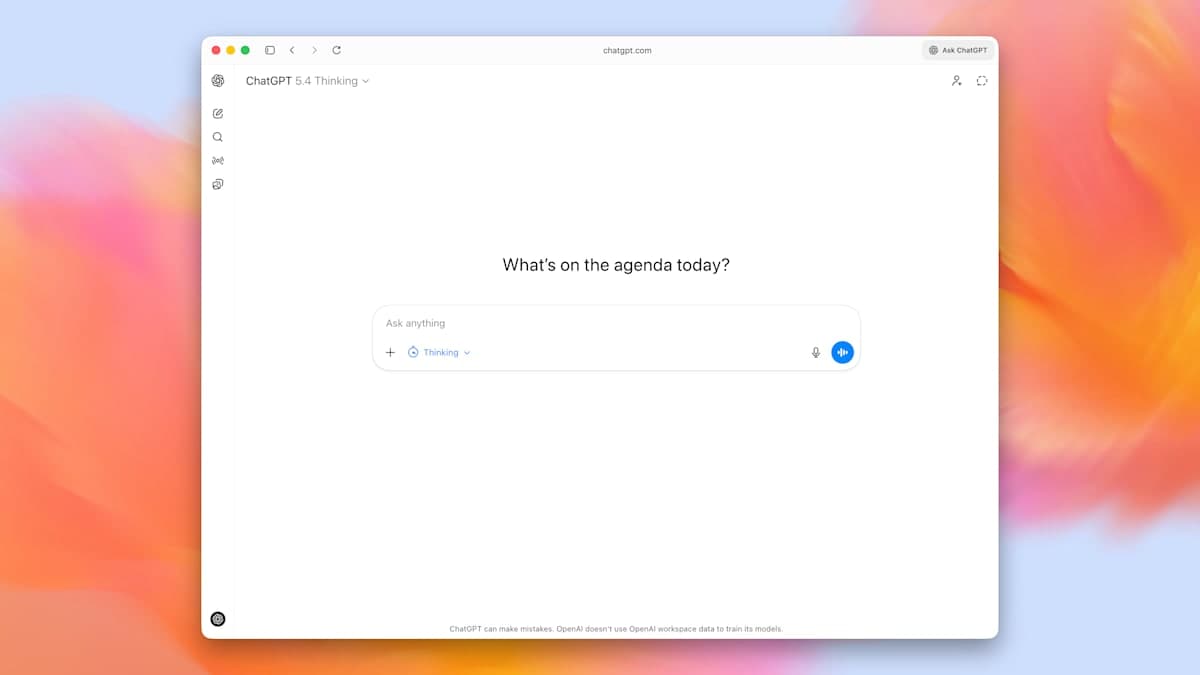
GPT-5.4 introduces several key advancements aimed at enhancing its utility in professional environments. Most notably, it's OpenAI's first model engineered with native computer-use capabilities, allowing it to execute tasks across multiple applications simultaneously. This means the model can now issue mouse and keyboard commands more effectively, significantly improving its ability to navigate a desktop environment compared to previous versions.In ChatGPT's Thinking mode, where GPT-5.4 will become the default, users will see the system outline its planned approach to a request. This provides a critical feedback loop, allowing users to adjust the model's course during response generation. OpenAI also claims enhanced web research capabilities, particularly for "highly specific" queries, asserting that the model "can more persistently search across multiple rounds to identify the most relevant sources, particularly for 'needle-in-a-haystack' questions, and synthesize them into a clear, well-reasoned answer."
Factual accuracy has also seen a significant bump. OpenAI states that GPT-5.4 is its "most factual model yet," being 18 percent less likely to generate errors compared to GPT-5.2. Furthermore, individual claims are 33 percent less likely to be false. These improvements are designed to yield "higher-quality answers that arrive faster and stay relevant to the task at hand," according to the company.
How Does This Affect Developers and Enterprises?
For API customers, GPT-5.4 is touted as OpenAI's most token (a unit of text processing) efficient reasoning model to date. However, this enhanced capability comes with a higher price tag. OpenAI is pricing one million input tokens at $2.50, an increase from $1.75 for GPT-5.2. This pricing adjustment underscores the model's advanced capabilities and its target market.GPT-5.4 will be available to enterprise customers and developers leveraging the company's Codex app, as well as via the API. This means it won't be immediately accessible to Free or Go users, nor even most Plus subscribers. This strategic rollout emphasizes OpenAI's focus on professional-grade applications and solutions for businesses willing to invest in cutting-edge AI. The company is also debuting OpenAI for Financial Services, which includes a version of ChatGPT that can operate directly within spreadsheets.