The Supreme Court doesn't care if you want to copyright your AI-generated art

Jeffrey Liu··2 min read·1 sources·AI
The Supreme Court doesn't care if you want to copyright your AI-generated art

Key Takeaways

  1. 1The Supreme Court declined to review a case on AI art copyright.
  2. 2This upholds lower court decisions requiring human authorship for copyright.
  3. 3Computer scientist Stephen Thaler sought copyright for his AI-generated artwork.
  4. 4Thaler's application for "A Recent Entrance to Paradise" was rejected in 2022.
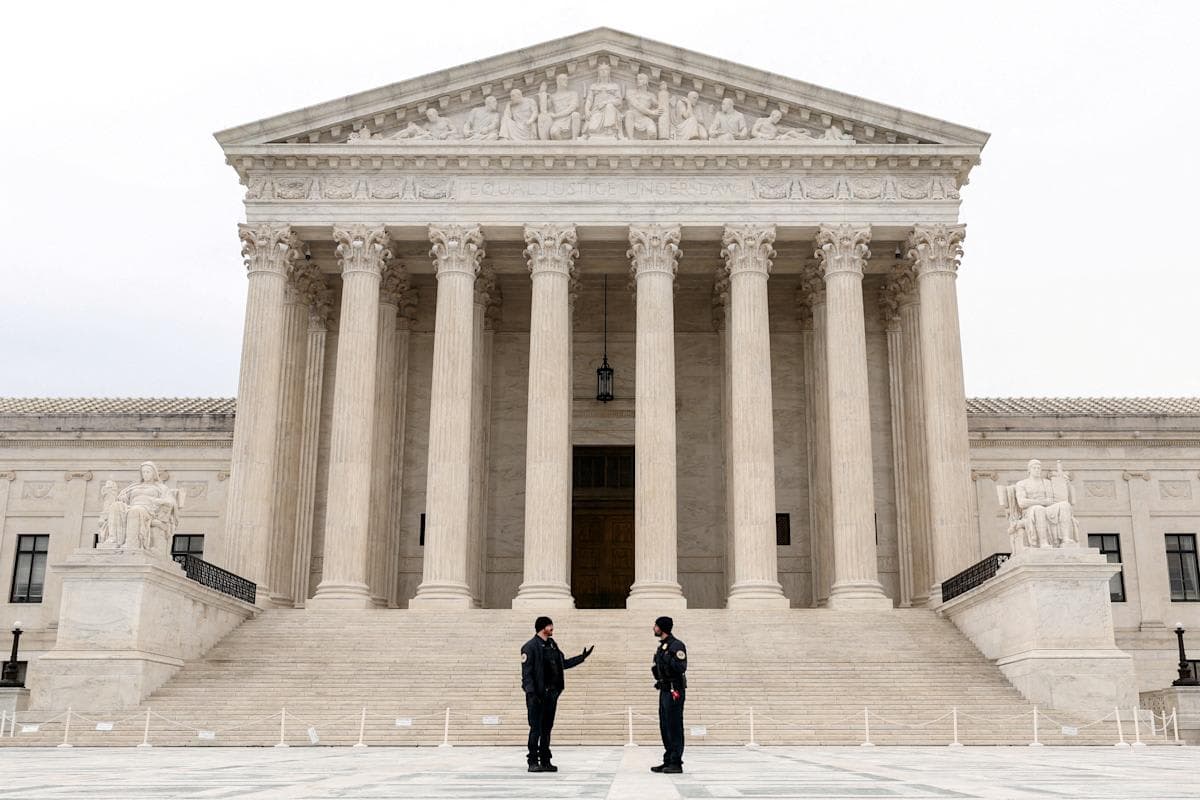
The U.S. Supreme Court has effectively cemented the current legal stance that purely AI-generated art cannot be copyrighted. By declining to hear an appeal in Stephen Thaler's case, the highest court upheld lower court rulings that require human authorship for copyright protection, leaving creators and developers to navigate a complex legal landscape without clear federal guidance on artificial intelligence's role. This decision reinforces a precedent that has significant implications for the burgeoning AI creative industry.

Why the Supreme Court's Silence Speaks Volumes on AI Art Copyright

The legal battle over AI-generated art reached a critical juncture when the U.S. Supreme Court refused to consider an appeal regarding the copyrightability of artworks produced solely by artificial intelligence. This refusal means that a federal judge's and a U.S. Court of Appeals' earlier decisions stand: only works created by a human author are eligible for copyright protection. The core of the issue stems from a 2018 application by computer scientist Stephen Thaler, who sought to copyright an artwork titled "A Recent Entrance to Paradise," generated by an AI system he created.

The U.S. Copyright Office rejected Thaler's application in 2022, citing the absence of human authorship. Thaler pursued appeals through the court system, arguing that his AI system, dubbed Creativity Machine, should be considered the author, or at least that he, as the system's creator, should hold the copyright. Yet, the Supreme Court's decision not to intervene effectively reinforces the status quo, leaving AI creators without a clear path to federal copyright protection for their non-human-assisted works, according to Engadget.
FAQ

No, purely AI-generated art cannot be copyrighted in the United States. The Supreme Court has effectively upheld lower court rulings that require human authorship for copyright protection. This means that artworks produced solely by artificial intelligence are not eligible for copyright under current U.S. law.

The Supreme Court declined to review an appeal regarding the copyrightability of AI-generated art, letting stand the lower court's decision. This decision reinforces the precedent that only works created by a human author are eligible for copyright protection. The case stemmed from computer scientist Stephen Thaler's attempt to copyright an AI-generated artwork titled "A Recent Entrance to Paradise."

Stephen Thaler argued that his AI system, dubbed Creativity Machine, should be considered the author of the artwork, or at least that he, as the system's creator, should hold the copyright. He sought to copyright an artwork titled "A Recent Entrance to Paradise," generated by his AI system. However, the U.S. Copyright Office rejected his application in 2022, citing the absence of human authorship.

The Supreme Court's decision reinforces that AI creators currently lack a clear path to federal copyright protection for their non-human-assisted works. This leaves creators and developers in the AI creative industry to navigate a complex legal landscape without clear federal guidance on artificial intelligence's role. The ruling highlights the importance of human authorship in securing copyright protection.

The Supreme Court has shown a reluctance to delve into detailed analyses of emerging digital legal challenges. For example, it recently declined an NFL subscriber's challenge concerning the sharing of video-viewing information with Meta. This pattern suggests the Court may be prioritizing other legal matters over rapidly evolving technological questions.

Related Articles

More insights on trending topics and technology

Newsletter

We read 100+ sources so you don't have to.

One email. Delivered weekly. The AI and tech stories actually worth your time.