Anthropic is equipping its Claude Code and Cowork AI tools with advanced autonomous capabilities, allowing the AI to directly control user computers to perform tasks. This new feature enables Claude to open files, use web browsers and applications, and run developer tools without manual setup, functioning as a true agent rather than just a text generator, according to The Verge. Initially available as a research preview for Claude Pro and Max subscribers, this functionality is currently limited to macOS.
This update builds upon prior autonomous features introduced in 2024 with the Claude 3.5 Sonnet model. Anthropic emphasizes that Claude will always seek explicit user permission before exploring, scrolling, or clicking to complete a task, maintaining a crucial "leash" on its enhanced control, TechCrunch reports. This capability aligns with Anthropic's vision for AI to handle the mechanical aspects of software development.
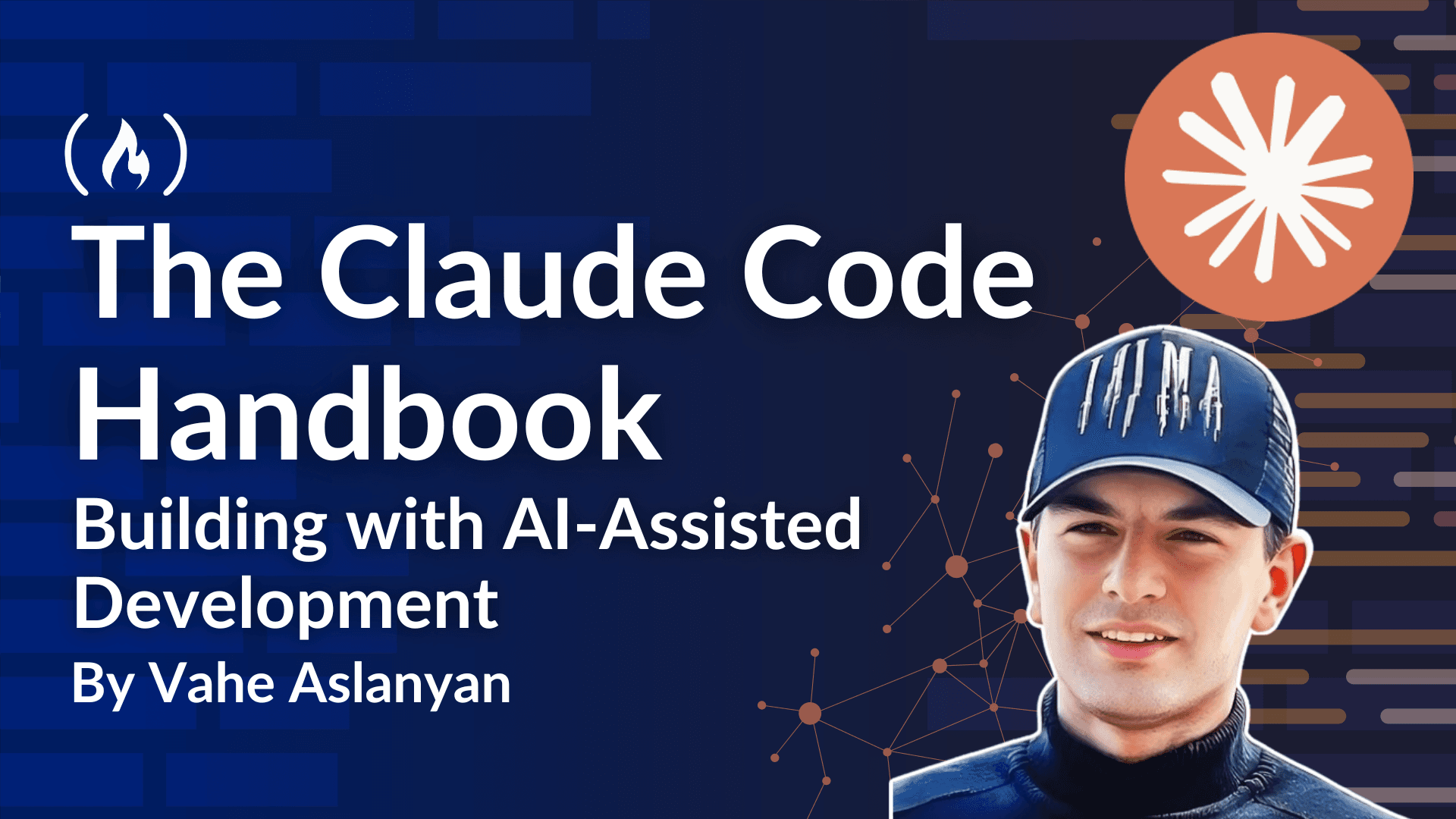
Boris Cherny, Head of Claude Code at Anthropic, states that "I have never enjoyed coding as much as I do today — because I no longer have to deal with the minutia." This sentiment encapsulates the goal: offloading repetitive tasks to AI agents so humans can focus on higher-order thinking like design and architecture. The Claude Code Handbook notes that Claude Code is not merely a smarter autocomplete. It is an agent that reads codebases, reasons about tasks, writes and edits files, and executes commands from start to finish.
The introduction of autonomous capabilities significantly amplifies developer productivity. Claude Code currently authors 4% of all global GitHub commits, a figure projected to reach 20% by the end of 2026, according toThe Claude Code Handbook. Engineers at Spotify reportedly stopped writing code manually in December, while Anthropic's own team ships 10-30 pull requests per day per engineer, all generated by Claude. This showcases the immediate impact of AI-assisted development.
Anthropic further extends Claude's reach through partnerships, most notably with Xero, the accounting platform used by 4.6 million subscribers globally. This multi-year partnership embeds Claude directly into Xero's product and integrates Xero's financial data into Claude.ai. This allows Claude to assist with small business finances, moving beyond code generation to practical applications in enterprise software. Xero's engineering teams will also use Claude Code and Cowork to accelerate their product development, demonstrating a broader adoption pattern where Claude becomes the interface for interacting with professional tools.
The underlying intelligence for Claude Code is powered by Anthropic's Claude models, with Opus 4.6 being its most capable. Claude Opus 4.6 boasts a 200,000-token context limit, enabling it to handle unattended work that would occupy a skilled engineer for approximately 14.5 hours at a 50% task completion rate. This robust capability allows Claude Code to make nuanced judgments on which tools to use and how to combine them, a key distinction from more constrained AI development tools. Anthropic's valuation exceeds $350 billion, with Claude Code alone generating over $2 billion in annual revenue, underscoring the commercial significance of these advancements.
This evolution of Anthropic's Claude Code and Cowork tools marks a pivotal moment in the AI landscape, signaling a shift from mere assistance to active, autonomous participation in tasks. Previously, AI tools functioned as sophisticated interpreters, taking human input and generating text or code snippets. Now, with the ability to control a computer directly, Claude acts as a true agent, executing multi-step operations without constant human micro-management. This fundamental change is akin to the printing press, democratizing capabilities previously reserved for a specialized few.
The implication for software development is profound. By automating the "minutia" of coding, AI agents empower developers to focus on higher-level architectural decisions, system design, and the critical human judgment required for robust, maintainable software. This dramatically lowers the barrier to entry for non-technical founders, product managers, and domain experts who can now bring ideas to life as working software. This move also highlights Anthropic's broader vision of AI as a universal interface for professional tools, streamlining complex workflows across various industries, from software engineering to accounting and beyond. The future of work involves AI handling execution, while human ingenuity guides vision and ethical oversight.
Claude Code is Anthropic's AI tool designed to autonomously manage development workflows. It can directly control computers to perform tasks like opening files, using web browsers and applications, and running developer tools. Claude Code functions as an active agent capable of reading codebases, reasoning about tasks, writing and editing files, and executing commands from start to finish, with explicit user permission.
Claude Code is projected to author a significant portion of global code in the near future. Currently, Claude Code authors 4% of all global GitHub commits, and this figure is expected to reach 20% by the end of 2026. Some companies, like Spotify, have already shifted to AI-assisted coding, and Anthropic's team ships 10-30 pull requests per day per engineer, all generated by Claude.
Anthropic is partnering with companies like Xero to extend Claude's reach beyond code generation. The partnership with Xero, an accounting platform with 4.6 million subscribers, embeds Claude directly into Xero's product and integrates Xero's financial data into Claude.ai. This allows Claude to assist with small business finances and demonstrates a broader adoption pattern where Claude becomes the interface for interacting with professional tools.
Claude Code always seeks explicit user permission before exploring, scrolling, or clicking to complete a task, maintaining a crucial 'leash' on its enhanced control. This ensures that users retain control over the AI's actions and prevents unauthorized access or modifications. This approach aligns with Anthropic's vision for AI to handle the mechanical aspects of software development while keeping humans in control.
More insights on trending topics and technology