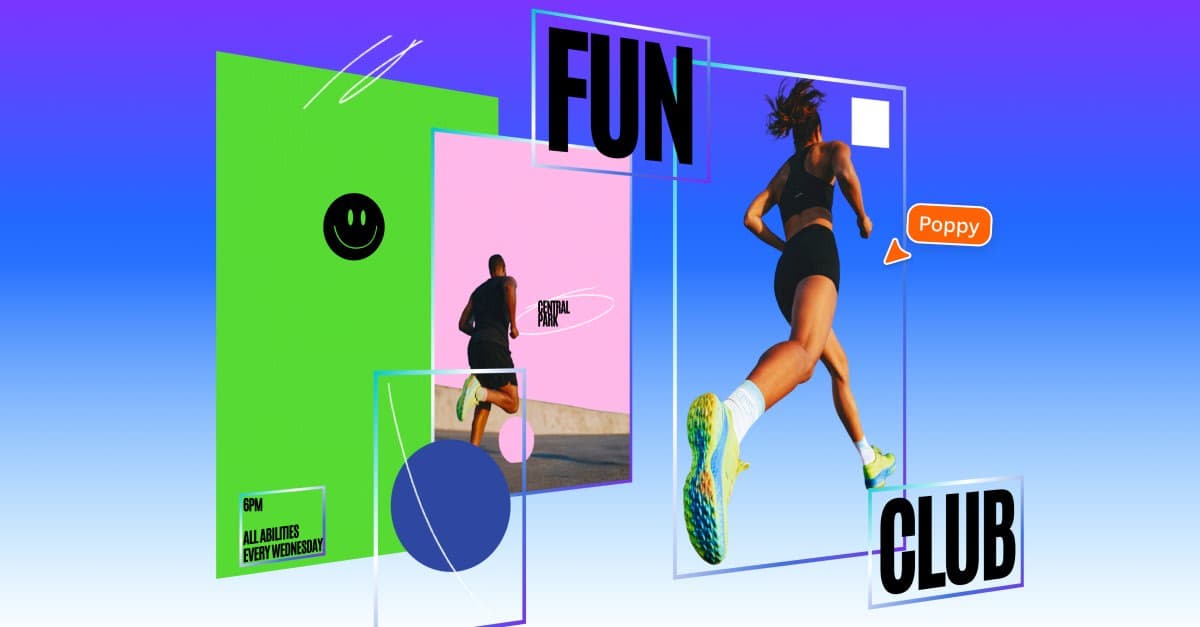
Canva has unveiled Magic Layers, a new editing tool that transforms flat image files, including those generated by AI, into fully editable, layered designs. This breakthrough addresses a significant pain point for creators by allowing individual elements like objects and text to be adjusted without the need for extensive reprompting, according to The Verge. The tool is launching in public beta in the US, UK, Canada, and Australia, offering a new level of control over digital art.
Unlocking Editable AI Designs
The core innovation behind Magic Layers is its ability to analyze and deconstruct a static image, then rebuild it as a dynamic, multi-layered vector-like design within Canva's editor. This means what was once a single, unalterable bitmap (a grid of pixels) can now be manipulated element by element, from changing text to repositioning objects, all without starting from scratch.This capability is a direct response to a major challenge in generative AI workflows. Traditionally, if an AI-generated image wasn't quite right, users had to input new prompts and hope for a better result, often leading to frustrating cycles of trial and error. Magic Layers bypasses this inefficiency, offering a more intuitive and direct editing experience.
Cameron Adams, Canva's chief product officer, stated that "After a breakthrough from our AI research team, we’re introducing Magic Layers so anyone can take a flat image and turn it into a fully editable design inside Canva." He emphasized that "Generation is just the beginning - real creative freedom comes from being able to edit without losing momentum."
Reshaping the Creative Workflow
Most analysts stop here, focusing only on the "what." But the real story is what this means for creative professionals and hobbyists. Magic Layers is compatible with any single-page PNG or JPEG file, but its impact on AI-generated visuals is particularly profound. It allows creators to take an image from any AI tool and transform it into an editable Canva project, bridging the gap between static AI output and flexible design work, according to CNET.This approach stands in contrast to existing tools from competitors like Adobe. While Photoshop and Express allow generative AI elements to be added as distinct layers, they don't automatically dissect an entire flat image into editable components. This gives Canva users an edge in post-generation refinement, a crucial step when Adobe's survey found 86% of global creators now use generative AI.
The obvious question for many artists: how will this affect the authenticity of AI art? Previously, the "flat" nature of AI outputs was a telltale sign. With Magic Layers, discerning human-made art from AI-generated designs could become significantly harder, raising new considerations for attribution and originality. This feature offers enhanced manual control over small tweaks, which can be invaluable, especially when even experienced designers, like one who spent 20 hours on an AI-assisted logo for a restaurant, still face backlash for using AI, highlighting the ongoing tension in the creative community.