Meta is actively testing robots in its data centers to automate tasks like plugging in cables and resetting servers, aiming to control labor costs amidst increasing spending on AI infrastructure and a noted skilled-labor shortage as of 2026.
This ongoing effort involves robots from companies including Watney Robotics, Kinova, and ABB, with some systems already operating in facilities in Iowa and Virginia.
The push towards automation comes as Meta's data center footprint rapidly expands to support its artificial intelligence initiatives. While designed to enhance efficiency and handle repetitive work, these robotic deployments are also sparking concerns among some workers about potential job displacement and the future nature of human roles in data center operations.
How are robots changing data center operations?
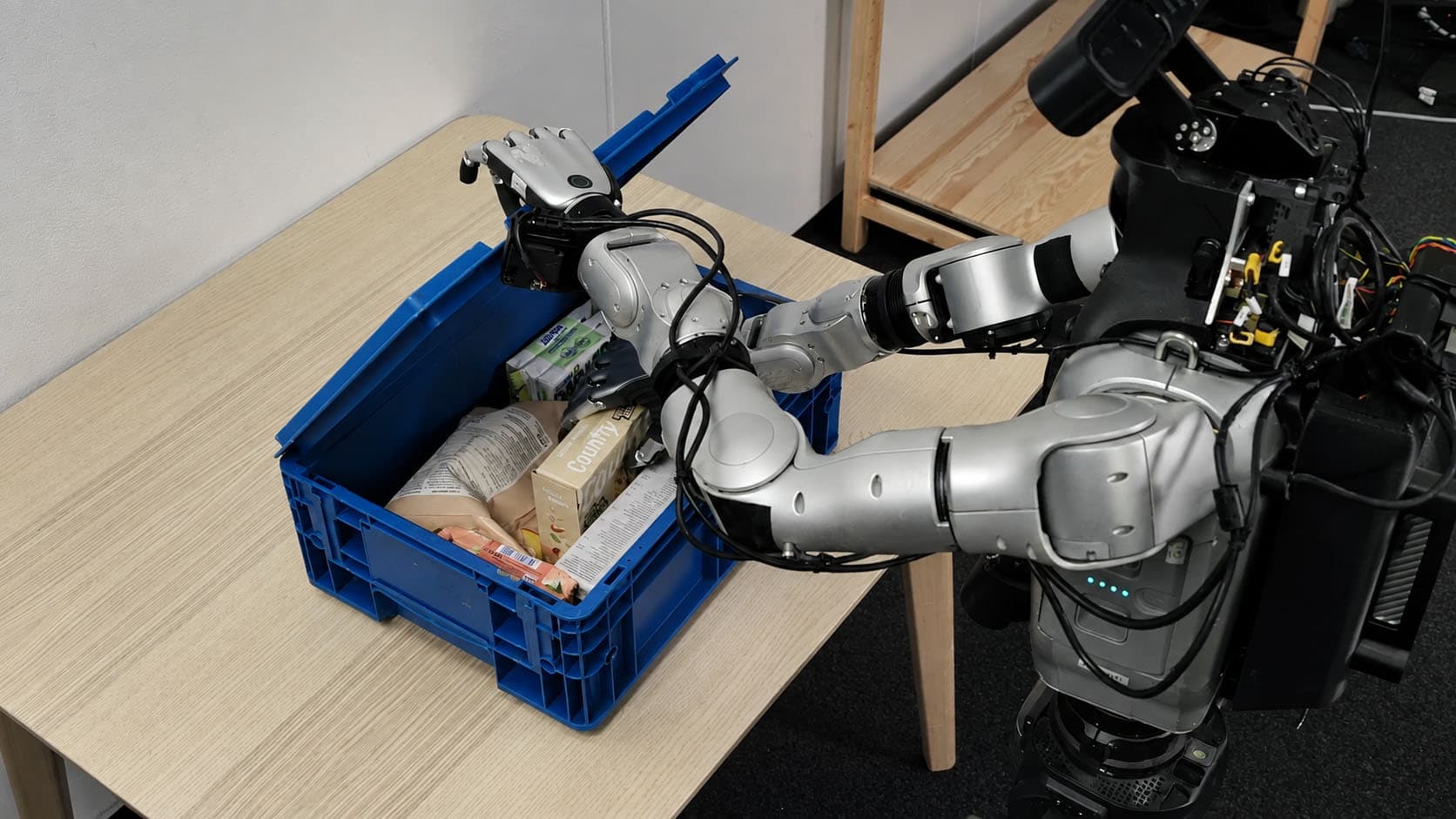
Robots are transforming data center operations by taking on physical tasks such as power cycling servers, swapping networking cables, and conducting inventory inspections, with the goal of improving consistency and reducing human labor in less populous regions. These automated systems are being evaluated for their ability to streamline maintenance and incident response, which could lead to significant operational efficiencies for Meta.Meta is deploying various robotic solutions across its facilities. For instance, a Kinova Gen3 robotic arm is being assessed for power cycling servers, and other robots are being tested to swap networking cables.
One estimate from a Meta data center worker suggests that successful robotic integration could replace up to 80 percent of some people’s workloads. However, these robots still face limitations, such as navigating obstacles, managing battery life, and discerning between indicator lights due to grayscale camera vision.
Early trials also show that robots require human supervision and are not yet as fast as people for certain tasks, particularly complex cabling work required for high-performance computing like Nvidia GB300 supercomputers.
Robot Vendor / Type | Primary Function | Location of Testing | Current Status / Note |
|---|---|---|---|
Kinova Gen3 Robotic Arm | Power cycling, server restarts | Unspecified | Under evaluation for delicate tasks |
Watney Robotics (dual-armed) | Cabling work | Altoona, Iowa | Supervised, not yet faster than humans |
ABB (four-wheel, scissor-lift) | Reseating parts, general maintenance | New Albany, Ohio | Expected diminishing human oversight |
In-house wheeled robot | Inventory tracking, failure inspection | Iowa, Virginia | Struggles with corners, grayscale vision, speed |
What are the broader implications for data center jobs?
The increasing use of robots in data centers indicates a shift towards automating physically demanding and repetitive roles, prompting concerns among some employees about future job security and the potential for remaining positions to become lower-skilled. Despite these developments, Meta states it continues to invest heavily in training and hiring new workers to build and operate its expanding data center infrastructure.
Workers at facilities like the Altoona data center campus, a prototyping ground for new technologies, have expressed demoralized sentiments regarding the long-term impact on their jobs. Some fear that the company will shift towards hiring
This perspective contrasts with Meta's public statements, where a company spokesperson noted a significant shortage of skilled workers in the US, emphasizing the need for more, not fewer, employees. Meta has also launched programs to train thousands annually in electrical, mechanical, and plumbing work, even guaranteeing employment in some states.smart hands, people who are just capable enough to follow AI instructions and not mess anything up.
— Meta data center worker
The drive for automation extends beyond Meta. Microsoft and Google have made investments in data center robotics, and Amazon uses robots for parts recycling. This industry-wide trend highlights how evolving AI data center needs are pushing companies to explore new operational models.