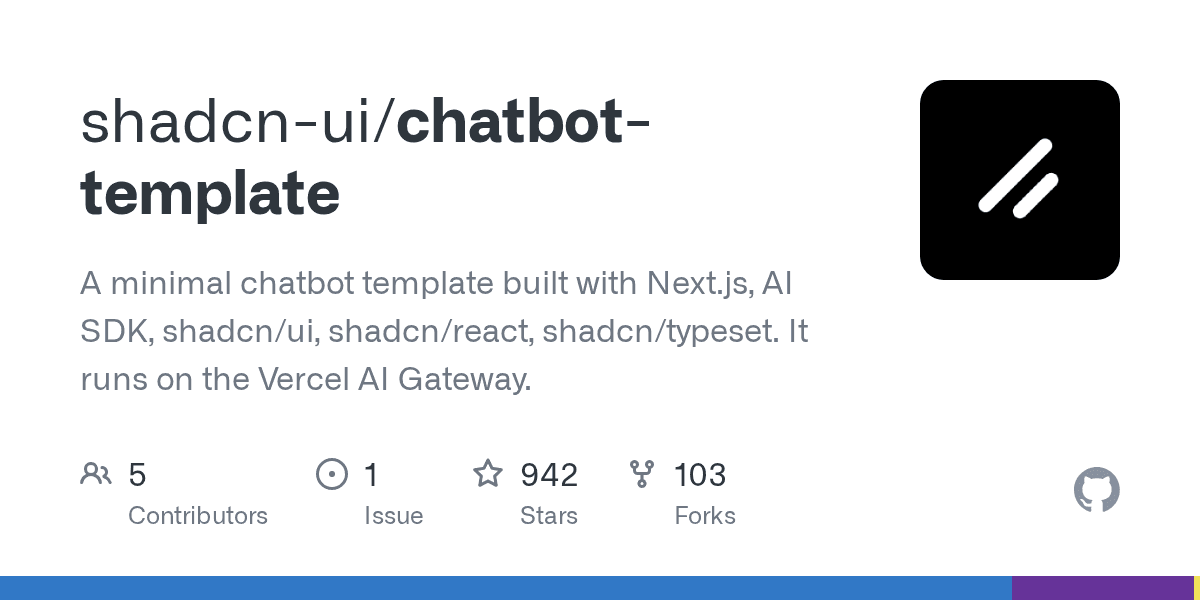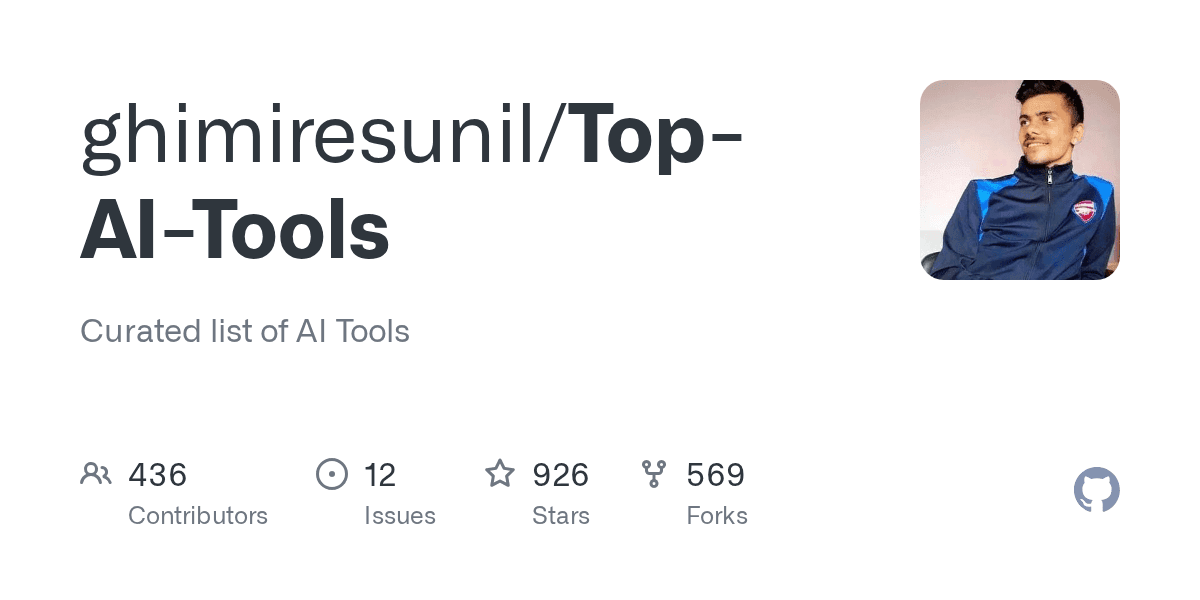
A massive, community-curated GitHub repository called "Top-AI-Tools" has emerged as a key directory cataloging hundreds of AI applications. As of July 2026, the project has garnered over 926 stars from developers, showcasing the explosive growth of the AI tool ecosystem, according to the repository itself.
This directory arrives as the AI landscape rapidly expands. Developers and non-technical users alike struggle to navigate the flood of new services. A central, vetted list provides a crucial starting point for finding the right tool for a specific job, from generating marketing copy to debugging code. The project's popularity reflects a clear demand for organization amidst the chaos.
What Categories of Tools Are Featured?
The repository organizes AI tools into dozens of specific categories, reflecting the increasing specialization of AI applications. Major sections include Art & Creativity, Conversational AI, Developer Tools, Design, and Productivity. This structure helps users quickly find relevant software for tasks ranging from video generation to code completion.The "Art & Creativity" section lists tools like Midjourney and Playground for image generation. It also includes specialized applications for creating avatars, music, and scientific figures. "Developer Tools" are a significant focus, featuring AI pair programmers like GitHub Copilot and observability platforms like Helicone AI.
This wide scope makes the list valuable for both creative professionals and software engineers. Other notable categories include Sales/Marketing, Education, and Finance. For instance, it lists AI-powered SEO tools, academic citation finders, and financial data analysis platforms, demonstrating AI's integration into nearly every business function.
How Does This Compare to Other AI Lists?
Unlike commercial app stores or platform-specific marketplaces, this GitHub list is open, community-curated, and technology-agnostic. It prioritizes breadth and discovery over direct monetization. Its format as a simple markdown file makes it universally accessible and easy to search, without requiring an account or subscription.
Feature | Top-AI-Tools (GitHub) | Platform-Specific Benchmarks |
|---|---|---|
Scope | Broad, multi-category (art, dev, etc.) | Narrow, task-specific (e.g., Android coding) |
Curation | Open community contributions | Controlled by a single company |
Access | Public, no login required | Often requires developer accounts or SDKs |
Focus | Discovery and cataloging | Performance evaluation and ranking |
While resources like Google's Android Bench focus on ranking model performance for a specific task, the "Top-AI-Tools" repository serves a different purpose. It is a directory, not a leaderboard. This makes it a better starting point for users who do not yet know which tool they need, allowing them to explore options before diving into performance metrics.
Why Is an Open Directory Important?
An open, centralized directory fosters transparency and discoverability in the rapidly crowding AI market. It prevents vendor lock-in and gives smaller tools a platform for visibility alongside established players like ChatGPT and Gemini. This open model is critical for developers and consumers seeking unbiased information.The proliferation of AI tools presents a challenge. A recent report noted that 91% of organizations use two or more AI coding tools, with 54% using three or more. This highlights the need for clear, comprehensive resources to evaluate this new software stack.
A community-vetted list acts as a first line of defense against choosing insecure or inefficient tools. It empowers developers and product managers to make more informed decisions. This approach complements other open-source efforts like the AI research skills library from Orchestra Research, which focuses on empowering agents rather than just listing tools.