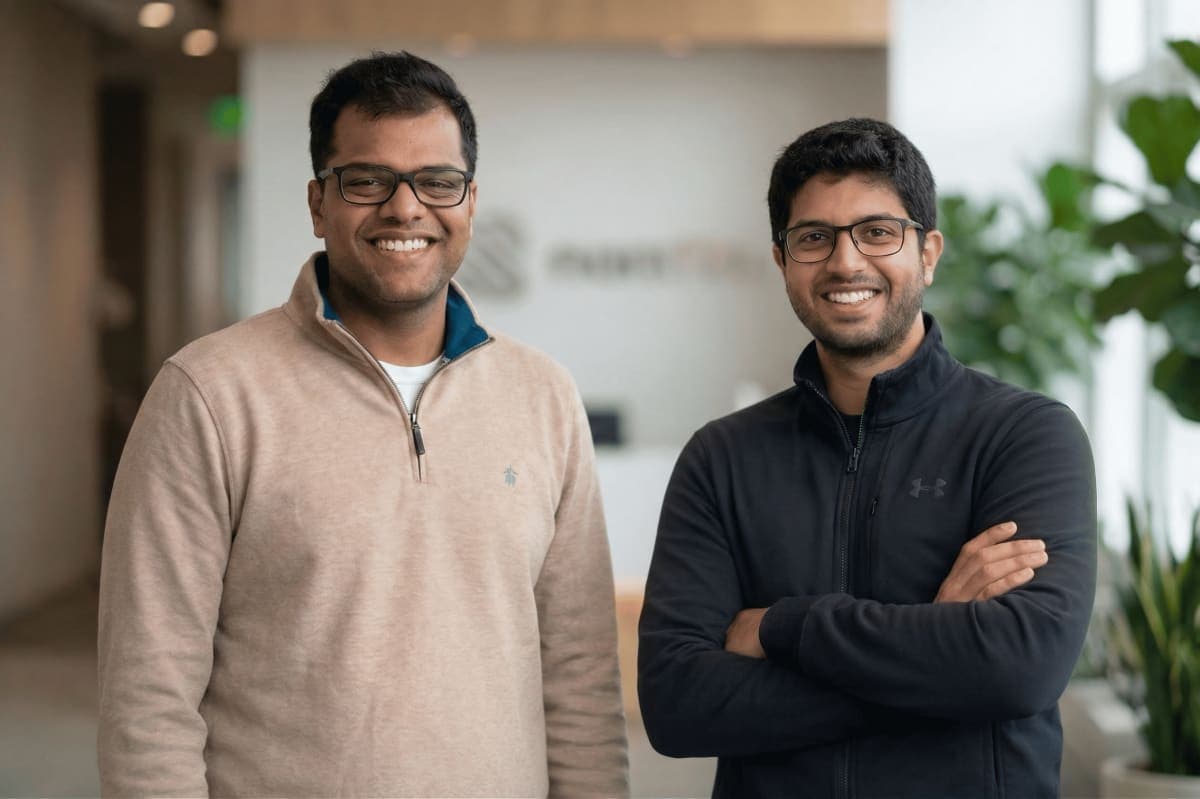
The company, launched in December, intends to use the capital to expand its 15-person team, hiring for engineering, customer success, and sales roles. OpenCFO’s platform integrates accounts payable, accounts receivable, and treasury functions, connecting directly with banking and enterprise resource planning (ERP) systems to streamline financial management.
The Push to Automate Mid-Market Finance
OpenCFO was founded by CEO Prudhvi Rao Shedimbi, a former engineering manager at StarTree with experience at Confluent and CrowdStrike, and COO Sankalp Singayapally, who previously worked at Keystone AI and Bloomberg. Their goal is to tackle the inefficiencies finance teams face with disconnected systems.
“CFOs are being asked to operate with greater speed and accuracy than ever, yet the underlying finance stack remains fragmented and manual,” Shedimbi said in a statement. The platform uses agentic AI—a type of artificial intelligence capable of autonomously performing complex tasks—to automate financial operations while providing human oversight through built-in approvals and audit trails.
This move places OpenCFO in a growing market of startups applying advanced AI to back-office functions. While many platforms have historically targeted large enterprises, a new wave of companies is focusing on bringing similar automation to the underserved mid-market. According to data from PitchBook cited by GeekWire, competitors in the fintech space include StreamOS, Cartwheel, and Fazeshift.
A Competitive Landscape
The investment in OpenCFO reflects a broader trend of venture capital flowing into specialized AI solutions. The founders' backgrounds in high-growth tech and cybersecurity at companies like CrowdStrike highlight the increasing crossover of engineering talent into the financial technology sector.
This intersection of skills is becoming crucial as financial platforms require robust security and data processing capabilities. As OpenCFO builds out its product, it will compete not just on AI features but also on its ability to integrate seamlessly and securely with a company's existing financial infrastructure.