From Developer to Robotaxi Ringmaster
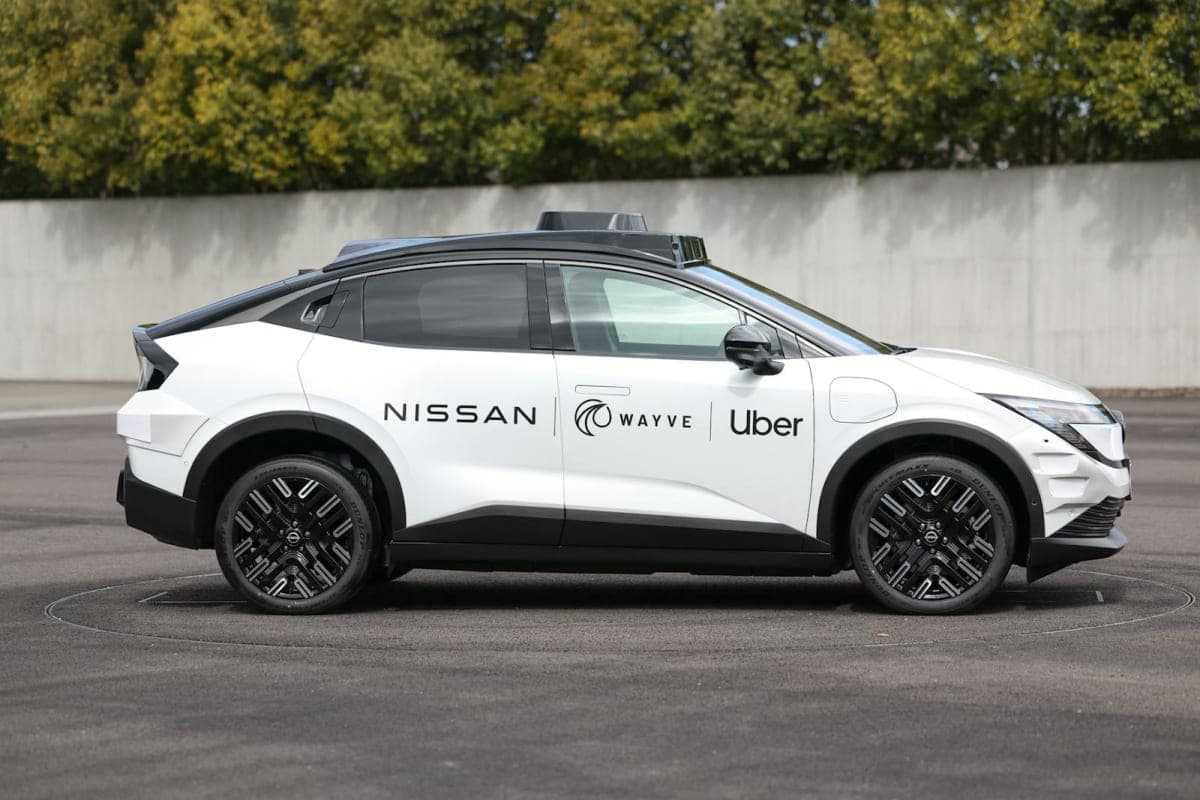
After selling off its own self-driving unit in 2020, Uber re-entered the autonomous vehicle arena with a partnership-first strategy. This move positions the ride-hailing giant to capitalize on what its CEO, Dara Khosrowshahi, calls a "multi-trillion-dollar opportunity" Sherwood News. The Tokyo launch, integrating Wayve's AI Driver system into Nissan Leaf vehicles for Uber riders, is a key step in this expansion, with aims to reach 10 global markets.Uber's simultaneous offensive in the U.S. is equally aggressive. The platform announced a multiyear partnership with Amazon-owned Zoox. This collaboration will see Zoox's distinctive toaster-shaped robotaxis become available on the Uber app, starting in Las Vegas this summer and expanding to Los Angeles next year, as CNBC reports. It's a two-pronged attack to integrate autonomous fleets into its existing ride-hailing infrastructure.
Why the Hybrid Model Works
The company's shift to a hybrid model, combining its vast network of human drivers with a growing fleet of autonomous vehicles through partnerships, is a critical differentiator. Uber now has over 20 partnerships spanning nearly every major AV player, including Baidu, Alphabet's Waymo, and WeRide. This extensive diversification provides "broad-based geographic coverage and reduces reliance on any single provider," according to Jefferies analysts.Instead of sinking billions into self-driving R&D, Uber leverages the specialized technology its partners have already built. This lets the company access the robotaxi market's potential while sidestepping the capital expenditures and regulatory hurdles that come with developing proprietary AV solutions. Most analysts stop here. The real story is what happens next. Uber's goal: driverless rides in 15 cities by the end of 2026.